
The Bulgarian national broadcaster BNT has officially announced its return to Eurovision 2026 in Vienna, organizing a new national final with 15 top Bulgarian artists competing live in early 2026.
After a three-year absence, Bulgaria has officially confirmed its comeback to the Eurovision Song Contest. Following months of speculation, the country’s national broadcaster BNT announced the launch of a large-scale national Final, aiming to choose both the artist and the song that will represent Bulgaria at Eurovision 2026 in Vienna, Austria.





A Star-Studded Selection with Leading Artists

According to the official announcement, BNT has invited 15 Bulgarian artists who rank among the country’s most prominent performers of the past year, both on radio and television as well as across digital platforms. The selection process was based on airplay data, strong positions in the “BG Top 40” chart compiled by PROFON, streaming performance on Spotify, Apple Music, and YouTube, and key social-media engagement indicators reflecting a broad and active audience. BNT emphasizes that the aim of the national final is to balance established performers with emerging talents, ensuring that the 2026 lineup accurately represents the diversity and creative landscape of Bulgaria’s contemporary music scene.
The Bulgarian national final will be broadcast live in January or February 2026 and will consist of three stages.
All participating artists will perform during a special televised music event produced by BNT. The winner will be chosen through a combined voting system — 50% public televote and 50% professional jury vote.
Bulgaria’s Eurovision Journey
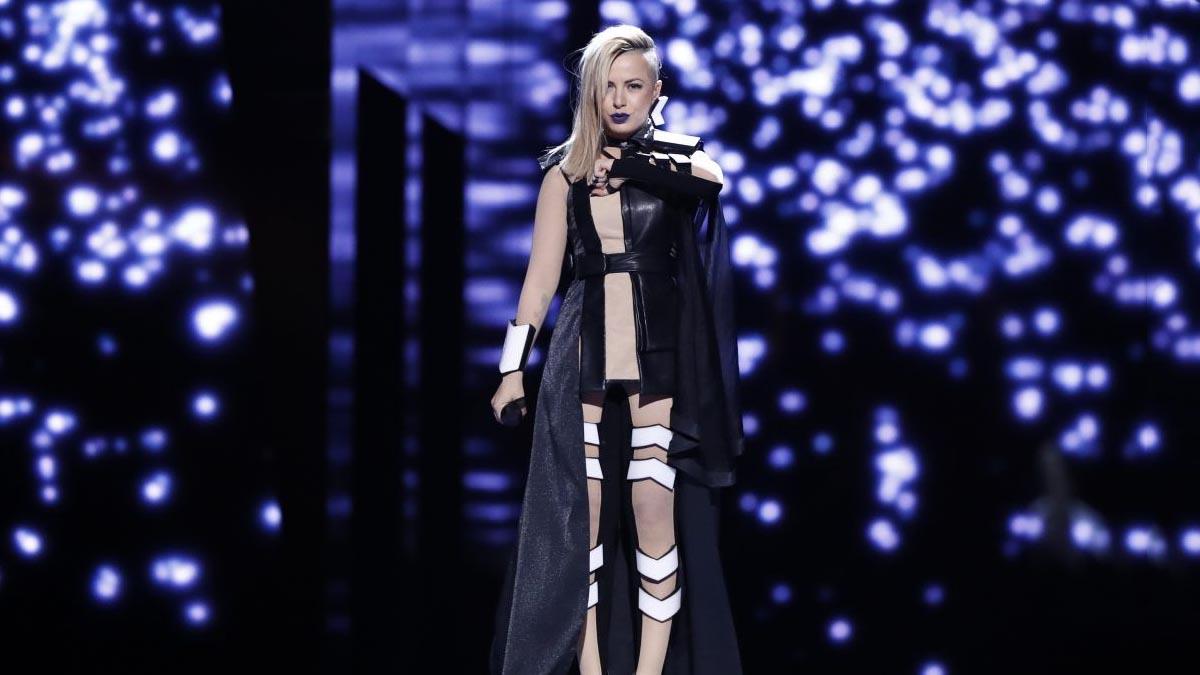 Bulgaria joined the Eurovision Song Contest in 2005 and has competed 14 times since. Its debut entry, performed by the band Kaffe with the song “Lorraine”, finished 19th in the semifinal and did not qualify for the final.
The country achieved its first-ever qualification for the final in Eurovision 2007 in Helsinki, Finland, when Elitsa Todorova and Stoyan Yankoulov reached 5th place with their energetic entry “Water”. The duo later returned to the contest in Malmö, Sweden, in Eurovision 2013 with “Samo Shampioni” (in English: “Only Champions”), finishing 12th in the second semifinal and failing to qualify. Between 2008 and 2013, Bulgaria did not reach any finals.
Since joining Eurovision, Bulgaria has missed six editions of the contest. The country first withdrew in 2014 (Copenhagen, Denmark) due to financial reasons, and its absence continued in 2015 (Vienna, Austria).
In 2016, Bulgaria made a powerful comeback when Poli Genova, representing the nation for the second time, performed “If Love Was A Crime” in Stockholm, Sweden. She broke Bulgaria’s previous record, finishing in 4th place. This success came after failing to qualify for the Eurovision 2011 final in Düsseldorf, Germany, with her song “Na Inat” (in English: “Stubborn”), which placed 12th in its semifinal.
A year later, Kristian Kostov represented Bulgaria with “Beautiful Mess”, achieving the country’s best-ever result by finishing second, setting a new national record.
Bulgaria at Eurovision 2022
For Eurovision 2022, Bulgaria sent Intelligent Music Project with their song “Intention”, which interrupted Bulgaria’s streak of successes as they failed to qualify for the final for the first time since Eurovision 2013. The band finished sixteenth out of seventeen countries in the first semi-final held in Turin, Italy, receiving a total of 29 points, split to 11 points from juries and an additional 18 points from public voting. Following this participation, drummer Stoyan Yankoulov became the first artist to represent Bulgaria three times at Eurovision after participating in both Eurovision 2007 and Eurovision 2013.
Eurovision 2026: This will be Bulgaria’s 15th participation in the Eurovision Song Contest. Bulgaria joined the competition in 2005 and achieved its best result in Eurovision 2017 when the singer Kristian Kostov finished in second place with the song “Beautiful Mess”.

Email: [email protected]
Phone: +972-50-9441919
Neta Geffen is a respected journalist at Euromix, Israel’s leading news site for Eurovision coverage. Since 2010, Neta has been closely following the Eurovision Song Contest, bringing with him extensive experience, profound knowledge, and a broad understanding of the history, politics, and cultural influences that shape the event every year.
Neta publishes articles, analyses, and up-to-date reviews on all Eurovision developments, including musical trends, format changes, political influences, and audience reactions across Europe and Israel. Thanks to a deep connection to the contest’s history, Neta provides readers with wide-ranging context—from the impact of political events on results, to in-depth analyses of songs and languages within the competition. Neta specializes particularly in the Eurovision rock genre, Balkan ballads, and native language entries, with a special focus on Italian and Greek songs.