As Greece prepares for “Sing for Greece 2026”, pro-Palestinian groups threaten mass protests, urging the national broadcaster ERT to push for Israel’s exclusion from the contest.
Greece is gearing up to choose its entry for Eurovision 2026 through a festive television series titled “Sing for Greece”, culminating in the grand final on February 15th. Yet, the celebration appears to be overshadowed by growing political tensions. According to local Greek media, several pro-Palestinian organizations and radical left-wing movements have announced plans to gather outside Athens’ Festival Hall on the night of the final to stage demonstrations and disrupt the event.








Growing Calls to Ban Israel from Eurovision
 This organization wave follows reports that the Greek branch of the BDS movement – known for promoting economic and cultural boycotts against Israel, sent a dramatic letter condemning Israel, the EBU, and the Greek national broadcaster ERT. The letter urged the 28 participating artists to boycott the upcoming Eurovision and withdraw from “Sing for Greece” or refuse to represent Greece should they win.
The latest protest call, published under the slogan “No song for genocide”, demands stronger voices advocating for Israel’s ban from the Eurovision Song Contest. Activists emphasized the momentum, noting that five countries have already withdrawn from the competition and that hundreds of artists and LGBTQ+ organizations worldwide have joined calls to boycott Israel. They urged the national broadcaster to actively support excluding Israel from the contest, adding the rallying cry, “We’re not going to Eurovision this year”.
Organizers are urging large crowds to gather outside the Athens Festival Hall starting at 19:00 CET on the final night, aiming to apply public pressure on broadcasters and participating artists. Flyers circulated on social media claim:
“Eurovision is carefully designed to whitewash Israel’s crimes through art”.
These messages call for a full boycott of the contest in Vienna.
ERT has not yet issued an official statement regarding the threats, but based on experience from similar events in other countries, the national broadcaster is expected to reinforce security measures. Industry insiders express concern not only about demonstrations outside the venue but also about possible on-stage disruptions or banner displays during the live broadcast-tactics frequently used by boycott movements at international events.
“Sing for Greece 2026” Dates:
-
Semi-final 1: Wednesday, February 11th, 2026
-
Semi-final 2: Friday, February 13th, 2026
-
Grand Final: Sunday, February 15th, 2026
Greece at Eurovision 2025
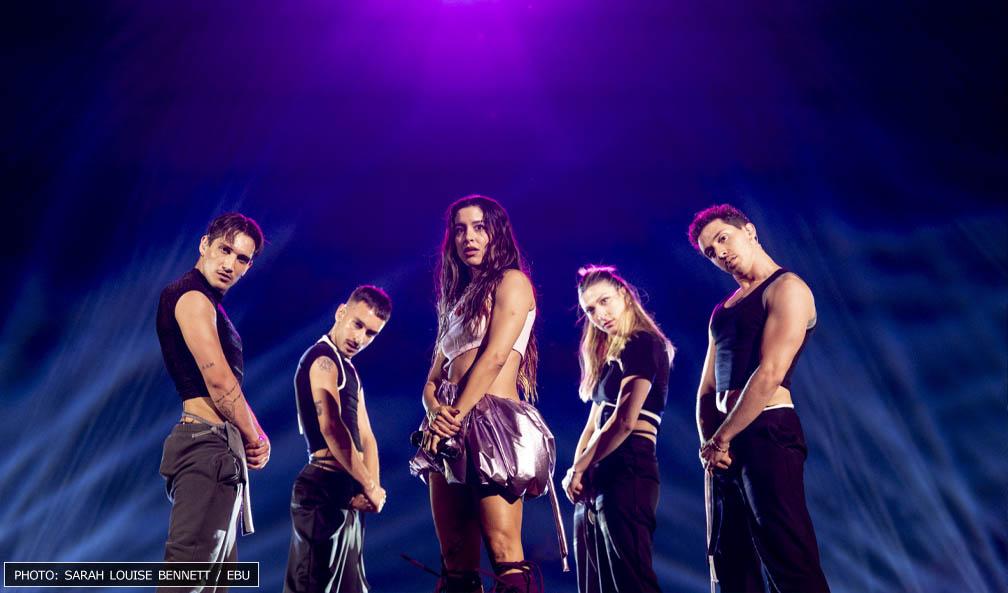
“Asteromáta” (in English: “Eyes of Stars”) is the song performed by Klavdia, who represented Greece in the grand final of Eurovision 2025. Greece qualified to the grand final after finishing fourth in the second semi-final, with 112 points. In the grand final, Greece finished sixth in the grand final with 231 points, finishing eighth in both jury’s & public’s votes.
The sixth place that Greece achieved is considered the country’s best result since 2013 — when it ranked sixth as well.
Eurovision 2026: This will be Greece’s 46th participation in Eurovision. Greece joined the competition in 1974 and achieved its best result in Eurovision 2005 when singer Helena Paparizou won first place with the song “My Number One”.

Email: [email protected]
Roie is a journalist, content creator, and commentator specializing in the Eurovision Song Contest. His extensive knowledge and in-depth familiarity with the Eurovision world are reflected in every article, ensuring reliable, professional, and up-to-date content.