
Poland’s national broadcaster TVP will announce the winner of “Polskie Kwalifikacje 2026″ final only the morning after the show, according to local reports, raising questions over how the selection process deteriorated.
The final of “Polskie Kwalifikacje 2026″, for the contest set to take place in Vienna, Austria, will be broadcast on 7 March. According to local reports, the results will only be revealed the following morning on the breakfast television programme “Pytaniu na Śniadanie” (“Question for Breakfast”).
Just a few months ago, Poland’s national broadcaster (TVP) had planned to stage the national final as a large-scale arena show with tickets available to the general public. The aim was to attract a much larger audience, create an experience comparable to an international concert, generate broad media attention, and align with other European countries where Eurovision national selections have evolved into major spectacle events. How did the selection deteriorate into a low-level, studio-only television production?




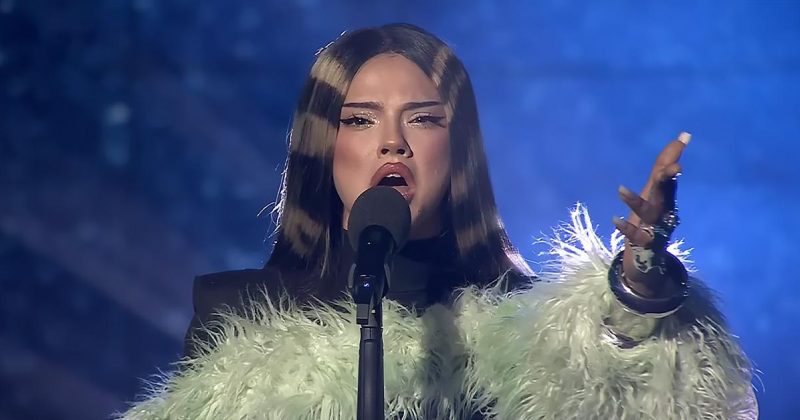
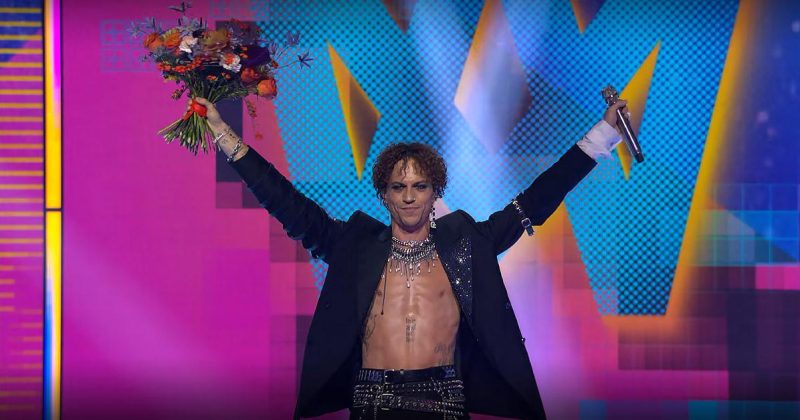


The Polish Selection – From Ambition to Disappointment
Despite extensive planning for a high-end production unlike anything seen before, it quickly became clear that the national broadcaster was struggling to sell tickets to the public. According to TVP, the line-up lacked enough well-known artists to motivate large audiences to purchase tickets and attend the show.
Several attempts were made to recruit established figures from the Polish music industry, including former representatives Michał Szpak, who represented Poland at Eurovision 2016, and Roksana Węgiel, winner of the Junior Eurovision Song Contest 2018, among other artists. However, many ultimately declined to participate.
After extensive deliberations, the national broadcaster (TVP) concluded that the high costs of staging such a large-scale show would not be financially recoverable, and that organizing an event of this magnitude was not feasible.
Recording Schedule and Delayed Results Announcement
The competing artists will record their performances on 28 February at the studio of the local television programme “Name That Tune.” The recordings will then undergo editing on 1 March, before being broadcast as planned on 7 March. Voting will close at midnight following the broadcast, and the winner will be officially announced several hours later during the morning show.
“Polskich Kwalifikacji 2026”: Contestants List
- Alicja Szemplińska – “Pray”
- Anastazja – “Wild Child”
- Basia Giewont – “Zimna woda“
- Jeremi Sikorski – “Cienie przeszłości”
- Karolina Szczurowska – “Nie bądź się”
- Ola Antoniak – “Don’t You Try“
- Piotr Pręgowski – “Parawany tango”
- Stasiek Kukulski – “This Too Shall Pass“
Click on the song title to listen! (Not all songs have been released yet, the list is updated regularly).
Familiar Names Among the Contenders
- Alicja Szemplińska previously represented Poland at Eurovision 2020, which was ultimately cancelled due to the COVID-19 pandemic. She was set to perform the song “Empires“. In 2023, she attempted a return to the national selection with “New Home“, finishing sixth.
- Basia Giewont competed in Poland’s 2020 national selection but did not qualify for the final.
- Jeremi Sikorski is the songwriter and composer behind the song “Immortal“, performed by Teo, which finished sixth in “Polskich Kawlifikacji 2025”.
Poland in Eurovision 2025
“GAJA” was the name of the song performed by Justyna Steczkowska at Eurovision 2025 in Basel, Switzerland. Poland finished seventh in the first semifinal with 85 points, qualified for the Grand Final, and ultimately achieved 14th place with 156 points.
Eurovision 2026: This will be Poland’s 28th participation in the Eurovision Song Contest. Poland joined the competition in 1994 and achieved its best result that same year when singer Edyta Górniak reached second place with the song “To nie ja!”.

Email: [email protected]
Phone: +972-53-9514754
A writer and content creator with a strong specialization in the Eurovision scene, particularly across Eastern Europe and post-Soviet countries. His work highlights the artistry, storytelling, and cultural variety that define the contest, offering readers a deeper look into both established performers and emerging voices.
As a skilled translator and polyglot, he brings a unique linguistic and cultural understanding to his analysis and coverage..