Despite anti-Israel protests, Poland reconfirms its participation in Eurovision 2026!
Poland’s national broadcaster TVP had already confirmed the country’s participation in Eurovision 2026 early last month. However, today – following the decision that Israel will indeed take part – the broadcaster reiterated its position clearly: Poland will participate and will not join the boycott against Israel.




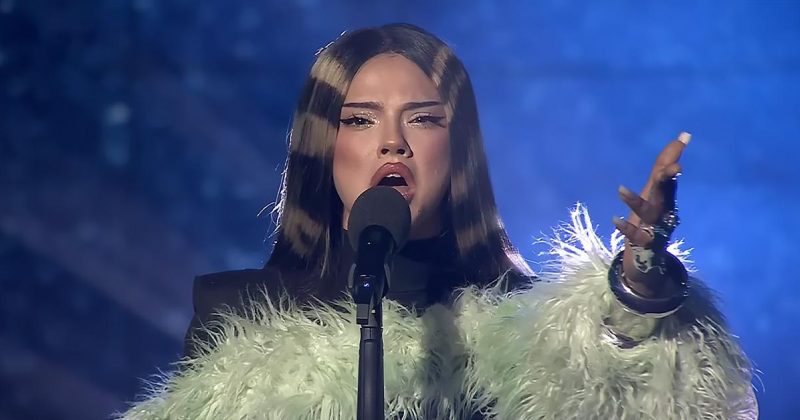
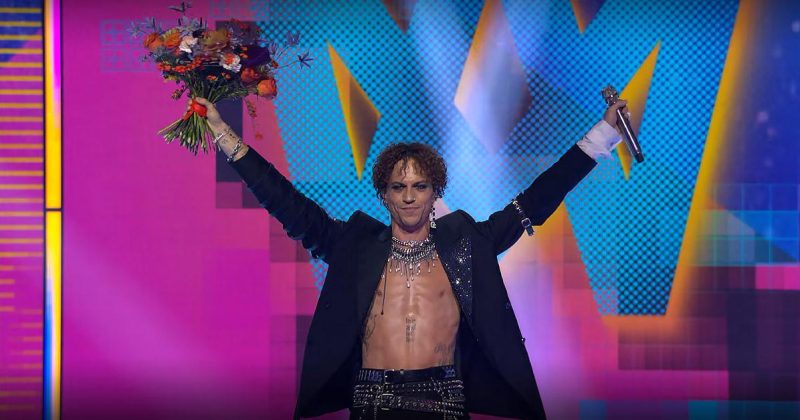

Poland Decides
About a week after the EBU’s General Assembly confirmed Israel’s participation, several countries, including Spain, The Netherlands, Slovenia, and Ireland announced their withdrawal. Yet Poland chose a different path, reasserting its participation—a move that surprised many and sparked widespread debate.
Public Backlash – But Poland Stands Firm
In Poland, social media quickly filled with calls for the Polish national broadcaster to join the boycott. Local media reported that TVP received hundreds of emails urging it to withdraw from Eurovision 2026.
Opponents of the decision argued that TVP should act as it did regarding Russia – calling for its exclusion the morning after its invasion of Ukraine. They also warned that Poland’s representative could face public backlash, claiming that any artist showing support for Israel might face boycotts and intense pressure from pro-Palestinian groups.
Despite the criticism, the Polish national broadcaster is standing by its decision and continues preparations for the upcoming contest in May. The move reflects a deliberate choice to stand alongside Israel, even in the face of significant domestic pressure.
How Will Poland Choose Its Entry for Eurovision 2026?
As mentioned, on November 3rd, the Polish national broadcaster TVP confirmed Poland’s participation in Eurovision 2026 during the “Pytaniu Na Sniadanie” morning show, coinciding with the opening of the submission window for the song selection process. This window closed exactly three weeks later, on November 24th. Once again, Poland will select its act and song for Eurovision 2026 through a televised national final, “Poland Decides”, where the winning song will be decided exclusively by public vote.
However, Poland has a reputation for its inconsistent selection process. Since 2014, the country has changed its selection process eight times, alternating between internal selections and televised national finals.
Poland at Eurovision: The Chase for Replicating Its First Success
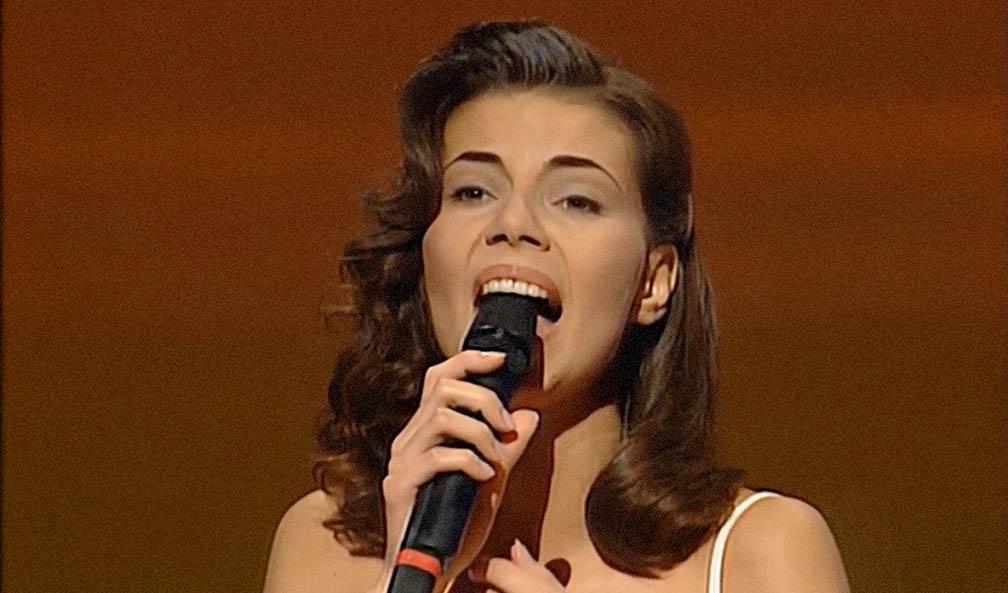
Poland is often viewed as an unpredictable participant in the Eurovision Song Contest. The country has competed 27 times but has never secured a victory. It has missed the competition four times and withdrew once more in 2020, when Alicja Szemplinska’s song “Empires” was canceled due to the COVID-19 pandemic.
Poland first joined Eurovision in 1994 and immediately reached the top of the scoreboard when Edyta Górniak and the song “To Nie Ja!” finished second with 166 points — setting a high standard for future entries. The following year, Justyna Steczkowska represented Poland with “Sama”, finishing 18th, though the song marked an early artistic highlight for the nation.
Poland’s points average gradually declined, leading to irregular appearances throughout the 2000s. The introduction of semifinals also proved challenging: between 2005 and 2011, Poland reached the final just once — in 2008, finishing tied in last place with Germany and the United Kingdom.
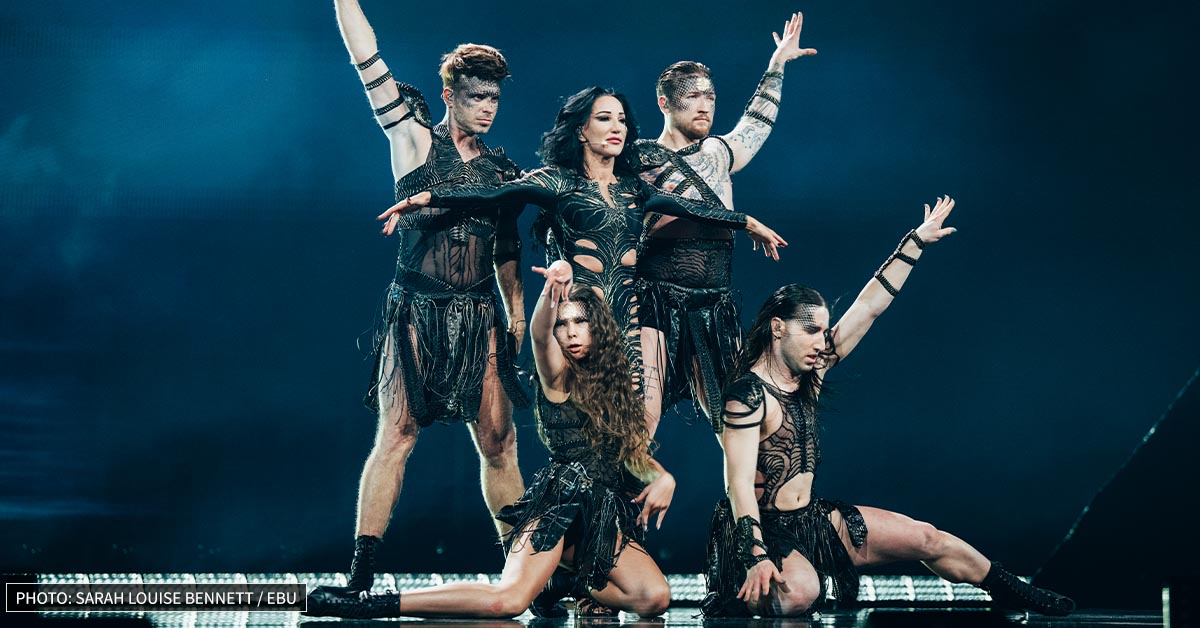 The country skipped Eurovision in 2000, 2002, 2012, and 2013. Aside from its debut performance in 1994, Poland has reached the Top 10 only twice more: in Eurovision 2003 (7th place) and Eurovision 2016 (8th place).
Since semifinals were introduced in 2004, Poland has qualified for the grand final nine times out of 19 attempts, often experiencing long streaks of non-qualification, in 2005–2007, in 2009–2011, and in 2018–2021. Polish entries tend to perform far better with televoters than with juries, regularly showing wide gaps in scoring between the criticizing juries and the loving televote.
In 2025, Poland set a record for the longest comeback in Eurovision history when Justyna Steczkowska, who competed in 1995, returned to represent Poland again in Eurovision 2025 in Basel, marking a 30-year return to the stage.
Poland in Eurovision 2025
“GAJA” was the name of the song performed by Justyna Steczkowska at Eurovision 2025 in Basel, Switzerland. Poland finished seventh in the first semifinal with 85 points, qualified for the Grand Final, and ultimately achieved 14th place with 156 points.
Eurovision 2026: This will be Poland’s 28th participation in the Eurovision Song Contest. Poland joined the competition in 1994 and achieved its best result that same year when singer Edyta Górniak reached second place with the song “To nie ja!”.

Email: [email protected]
Phone: +972-50-9441919
Ilay Gaist is a leading Israeli content creator and writer specializing in the Eurovision Song Contest. He is a well-known commentator with extensive expertise in the contest’s history, rules, and dynamics. His passion for Eurovision drives him to deliver rich, professional, and innovative content to his audience.
Ilay holds a bachelor’s degree in Arabic and has a multilingual background. He also engages in cultural research, with a particular focus on global culinary traditions and the evolution of local cuisines around the world.