
The Polish national broadcaster TVP has unveiled eight artists competing in “Polskich Kwalifikacji 2026”. Poland’s entry for Eurovision 2026 will be selected on February 14th.
Eight acts will compete for the right to represent Poland at Eurovision 2026, the Polish national broadcaster announced earlier today. As previously confirmed, the Polish national broadcaster TVP approved the country’s participation in Eurovision 2026, which will take place in Vienna, Austria. During the final audition stage, the 20 strongest candidates selected by a broadcaster-appointed committee were invited to perform and undergo closed-door evaluations before a professional judging panel. Poland’s entry for Eurovision 2026 in Vienna will be chosen exclusively by public vote on February 14th.
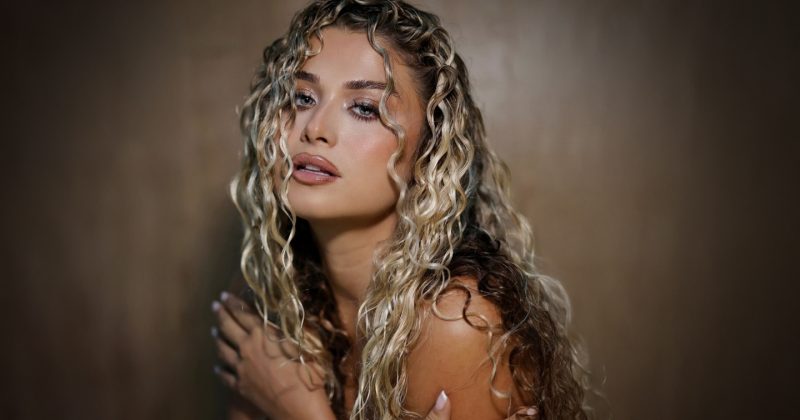



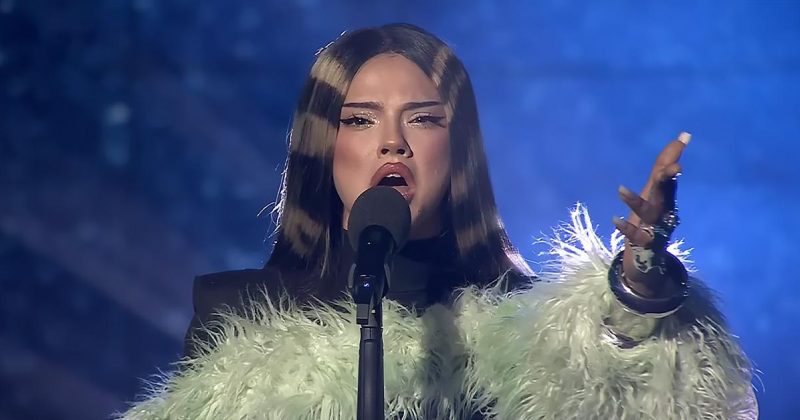
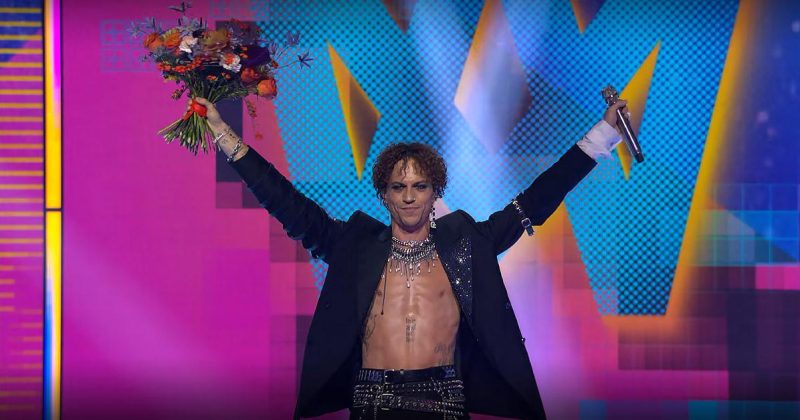

“Polskich Kwalifikacji 2026”: Contestants List
- Alicja Szemplińska – “Pray”
- Anastazja – “Wild Child”
- Basia Giewont – “Zimna woda“
- Jeremi Sikorski – “Cienie przeszłości”
- Karolina Szczurowska – “Nie bądź się”
- Ola Antoniak – “Don’t You Try“
- Piotr Pręgowski – “Parawany tango”
- Stasiek Kukulski – “This Too Shall Pass“
Click on the song title to listen! (Not all songs have been released yet, the list is updated regularly).
Familiar Names Among the Contenders
- Alicja Szemplińska previously represented Poland at Eurovision 2020, which was ultimately cancelled due to the COVID-19 pandemic. She was set to perform the song “Empires“. In 2023, she attempted a return to the national selection with “New Home“, finishing sixth.
- Basia Giewont competed in Poland’s 2020 national selection but did not qualify for the final.
- Jeremi Sikorski is the songwriter and composer behind the song “Immortal“, performed by Teo, which finished sixth in “Polskich Kawlifikacji 2025”.
Why Are There Only Eight Contestants?
Originally, the final list was expected to include ten artists rather than eight. However, two selected acts chose to withdraw at the last moment and announced their decisions on social media. These were Karolina Czarnecka and the group Brutto Skład.
According to earlier regulations and reports, a full list of ten finalists was scheduled to be revealed today. Instead, the announcement featured only eight names.
The reason behind the shortened lineup was later clarified by singer-songwriter Karolina Czarnecka, who disclosed in a dramatic public statement that she and Brutto Skład had indeed qualified for the final ten but decided to withdraw shortly before publication.
Czarnecka explained that despite the opportunity, funding, and ready-made platform, her conscience did not allow her to participate. She justified her decision by referencing what she described as an “artist’s ethical code,” writing emphatically:
“I cannot agree to the suffering of another person… while flowers of illusory prosperity bloom in my own yard, another garden is flooded with blood”.
This principled stance left the production with a reduced lineup and demonstrated that, even at the national selection stage, moral considerations and political realities can play a decisive role before a single note is performed.
Beyond the poetic language, however, the decision has sparked disappointment among observers. Unfortunately, Czarnecka is neither the first nor likely the last artist to withdraw from a European national final due to broader geopolitical considerations. A growing trend across several countries has seen artists stepping away from competitions as a form of protest related to international political disputes. As a result, an event designed to function as a cultural bridge and a celebration of music increasingly becomes a stage for controversy – often to the detriment of audiences, when artistic expression is overshadowed by political statements.
View this post on Instagram
Meanwhile, Magdalena Tul, who represented Poland at Eurovision 2011 with the song “Jestem” and finished 19th and last in the first semi-final with 18 points, submitted her new song “I’ll Be Around” to the national final, but was not accepted. Michał Szpak, who represented Poland in 2016 with “Color of Your Life” and secured an impressive eighth-place finish for the country, was also not selected for the national final.
Poland in Eurovision 2025
“GAJA” was the name of the song performed by Justyna Steczkowska at Eurovision 2025 in Basel, Switzerland. Poland finished seventh in the first semifinal with 85 points, qualified for the Grand Final, and ultimately achieved 14th place with 156 points.
Eurovision 2026: This will be Poland’s 28th participation in the Eurovision Song Contest. Poland joined the competition in 1994 and achieved its best result that same year when singer Edyta Górniak reached second place with the song “To nie ja!”.

Email: [email protected]
Phone: +972-53-9514754
A writer and content creator with a strong specialization in the Eurovision scene, particularly across Eastern Europe and post-Soviet countries. His work highlights the artistry, storytelling, and cultural variety that define the contest, offering readers a deeper look into both established performers and emerging voices.
As a skilled translator and polyglot, he brings a unique linguistic and cultural understanding to his analysis and coverage..