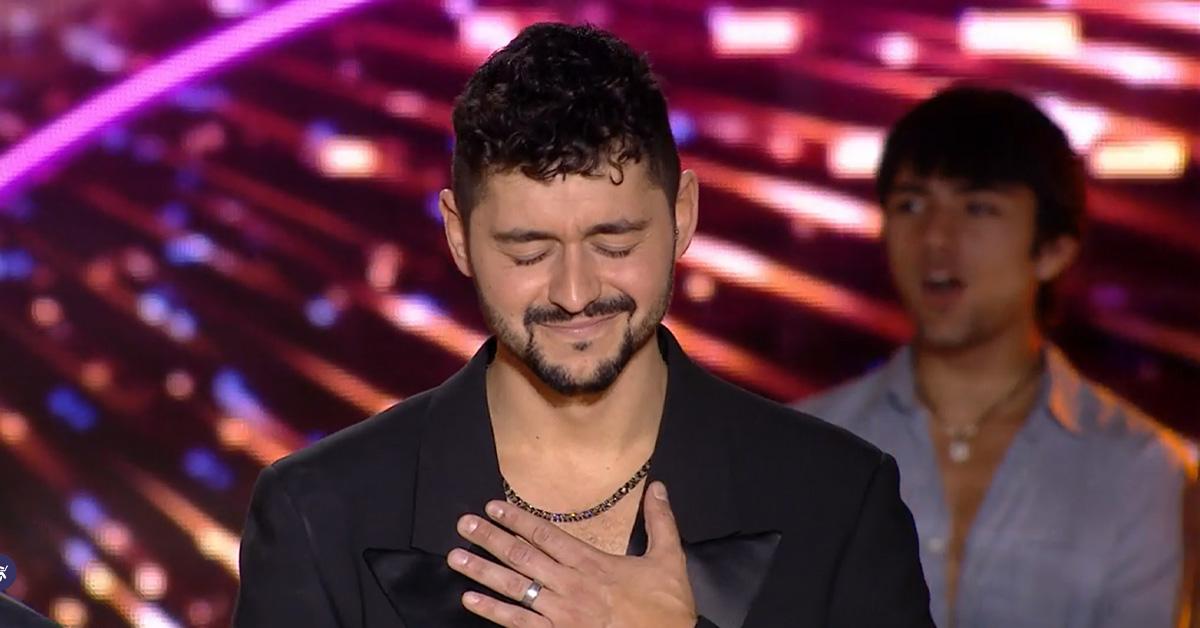
With 200 songs submitted and the official reveal set for Noam Bettan’s birthday, Israel searches for the secret formula to turn its leading odds into a real victory in Vienna. Which language will win?
The preparations for Eurovision 2026, to be held in Vienna, Austria, are shifting into high gear, and the anticipation ahead of Israel’s song reveal on March 5th is peaking. After the submission window closed with approximately 200 songs sent to the professional committee, the focus now shifts to selecting the winning song that will represent the country in the contest. With Israel topping the betting charts, the big question now isn’t only about musical style – but about language. This year, the excitement is doubled: Israel’s national broadcaster KAN announced that the song will be unveiled in a festive live show that happens to coincide with Noam Bettan’s 28th birthday. Will Noam continue the English trend that has dominated the last decade, or will the European movement toward native-language songs reach Israel as well – perhaps giving him the perfect birthday present on the way to victory?



How Will Israel Choose Its Song for Eurovision 2026?
Two weeks ago, the final of “HaKokhav HaBa for Eurovision 2026” took place, where Noam Bettan won first place and was selected to represent Israel at Eurovision 2026, which will be held this May in Vienna, Austria.
Alongside the show’s broadcasts, KAN opened the song submission window – from December 21st to January 26th. The broadcaster emphasized that songs could be submitted in any language but must include at least a few lines in Hebrew – a requirement consistent with previous years.
 Approximately 200 songs were submitted for the selection process. The song selection committee has already convened, listened to the entries, and carried out an initial filtering phase. The songs were submitted anonymously, ensuring that the creators’ identities remained undisclosed. In the coming days, the committee is expected to reconvene to listen to the shortlisted entries. After reviewing all the finalists, a secret vote will determine Israel’s official Eurovision entry.
The chosen song will then be forwarded to the legal advisor of the national broadcaster for approval before being sent to the EBU for official confirmation – a necessary step prior to public release.
A Decade of English: Has Hebrew Been Sidelined?
 Looking back over the past decade, Israel’s approach has been clear: songs in English with only light touches of Hebrew. In fact, the last time Israel sent a song entirely in Hebrew was the song “Rak Bishvilo” (in English: “Only For Him”) by Moran Mazor in 2013. The song didn’t make it past the semi-final, and ever since, Israel has seemed hesitant to send a song without a dominant English presence. In recent years, that balance has continued: “Hurricane” by Eden Golan and “New Day Will Rise” by Yuval Raphael both included Hebrew phrases meant to convey resilience and identity, yet the lyrical backbone remained English. Raphael even added diversity with a verse in French – another one of her native tongues. Now, the selection of Noam Bettan, who is also fluent in French, raises the question: could we see an even more surprising combination of languages this year?
The European Trend: Native Languages Make a Comeback
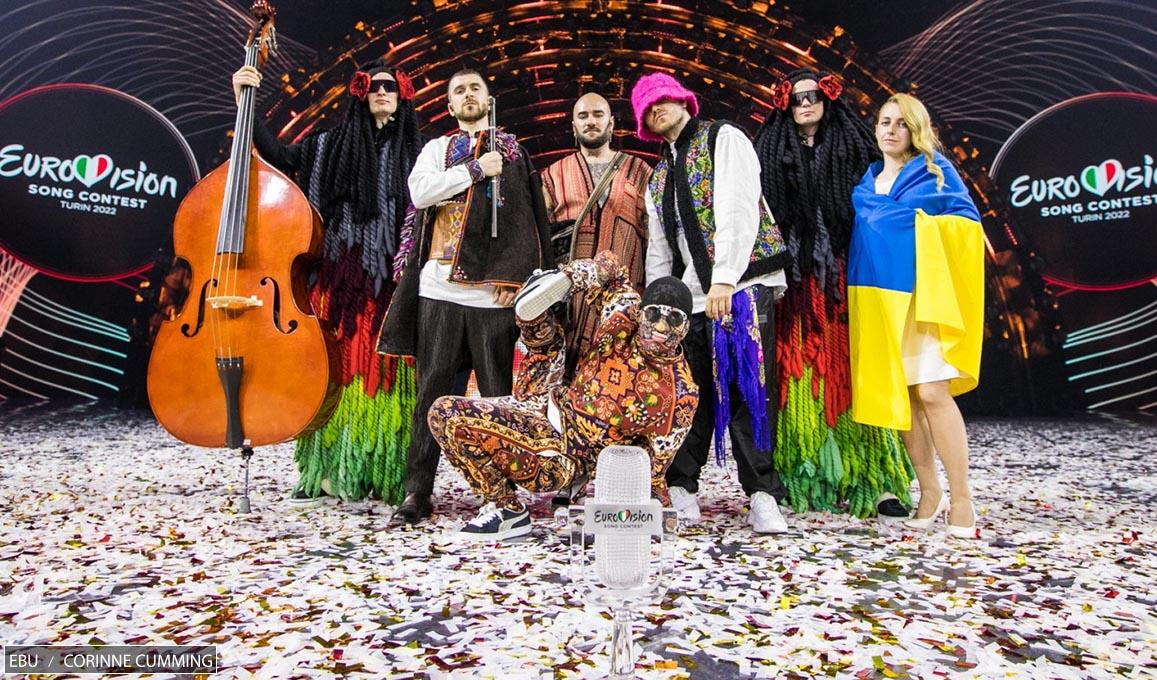 While Israel tends to stick with English, Europe is proving that native languages are no longer a barrier to victory – in fact, quite the opposite. To understand the shift, we need to look back: in 1999, when the EBU dropped the rule requiring countries to sing in their official languages, a “race toward English” began. The prevailing thought was that English was the only route to success – a belief reinforced by Ireland’s streak of wins (all in English, of course) and a wave of catchy international pop entries. For years, native languages were viewed as an obstacle that prevented audiences from connecting with songs. But over the last decade, the contest has changed completely. Both viewers and juries have grown weary of “generic” English songs, searching instead for authenticity and unique identity – qualities that only a native language can deliver. Out of the ten most recent winners, four had songs that were not entirely (or even mostly) in English:
-
2022: “Stefania” by Kalush Orchestra (Ukrainian)
-
2021: “Zitti e buoni” by Måneskin (Italian)
-
2017: “Amar pelos dois” by Salvador Sobral (Portuguese)
-
2016: “1944” by Jamala (Crimean Tatar and English)
The trend is clear: performing in one’s native language creates distinction, depth, and emotional resonance that can be hard to achieve in a foreign tongue. The confidence of countries like Italy, Portugal, and Ukraine to perform in their own languages – and still reach the top – proves that Europe is ready to embrace stories told in many tongues. Is it time for Israel to take the same leap, stop chasing a globalized sound, and give Hebrew the prominence it deserves?
POV: Strategy, Authenticity, and the Return to Hebrew
Bettan already stated in a Euromix interview that he is looking for “authenticity, vulnerability, and openness”. In the reality of 2026, as juries return to play a decisive role even in the semi-final stages, the language choice becomes a crucial strategic decision. On one hand, English is a familiar tool that allows the Israeli message to reach every ear in Europe. On the other hand, as seen in recent years, it is precisely the native-language songs that rake in major wins and create true differentiation. The dilemma now is clear: should Israel aim for European tastes through foreign languages, or look inward and rediscover its own? Noam is a versatile artist and a fluent French speaker – a language long associated with elegance and romance. Last year, Yuval Raphael successfully incorporated French into her entry. Yet, the French allure can be deceptive: while songs in French often qualify for the final and even score high, the language hasn’t produced a winner in nearly four decades. The last French-language victory was back in 1988 with the legendary Celine Dion and her song “Ne Partez Pas Sans Moi“.
It seems that it’s time to stop being afraid. While a sprinkle of French could add a nice touch, Israel’s song this year must be in Hebrew. As Israelis, we know how to celebrate and spread joy – even when voices try to silence us – and there’s no stronger way to do that than in our own language. Hebrew is the only language that can fully express the authenticity that Bettan seeks. It’s time to prove that a truly good song doesn’t need translation, and that Israel’s strongest message comes across best when it comes from home.
Will we celebrate on the Vienna stage singing in English, in French, or through a full-fledged Hebrew revolution? We’ll get the official answer on March 5th.
Noam Bettan – Who Are You?
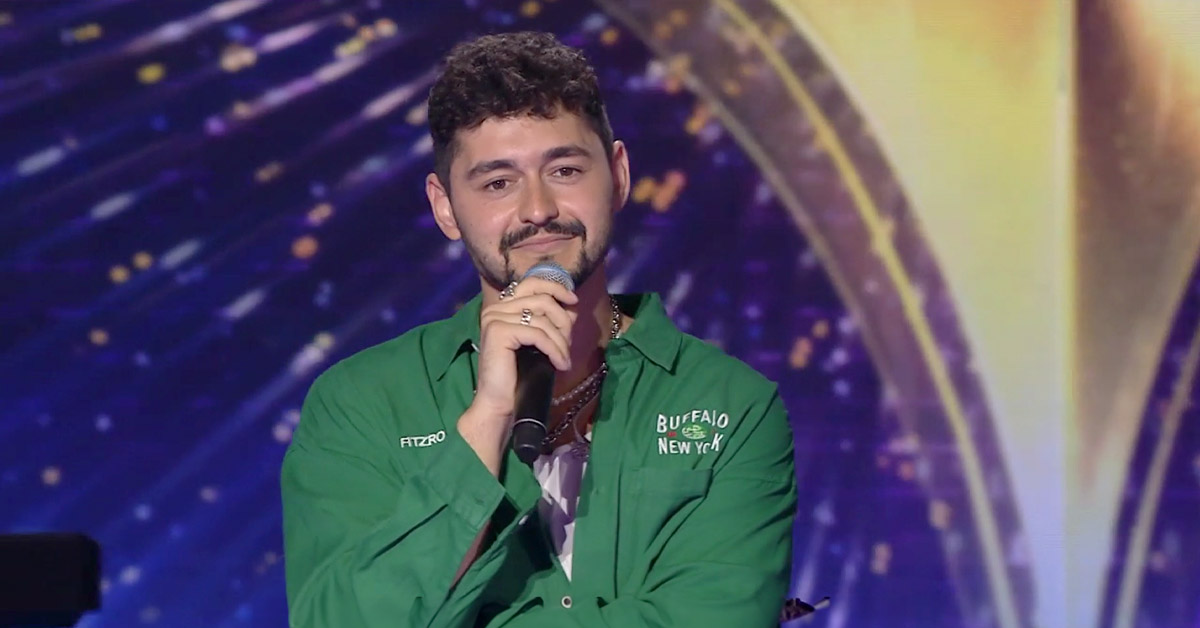 Noam Bettan is a 27-year-old singer and songwriter born to a family that immigrated from France. His voice is deep and warm, and his musical style combines heartfelt Hebrew ballads with touches of French, showcasing his impressive vocal range.
Bettan first rose to public attention in 2018 when he participated in the show “Aviv or Eyal”, finishing in third place. From his initial audition, he stunned both judges and viewers by performing his original song “Madame“, which earned the highest score of the season – 98%, and immediately positioned him as a favorite to represent Israel at Eurovision. Throughout the season, he delivered emotional and skillful performances that received praise from the judges and Euromix readers, who consistently ranked him first in nearly every poll.
Israel in Eurovision 2026
Noam Bettan was chosen to represent Israel after winning the 12th season of “HaKokhav HaBa”. The song he will perform at Eurovision 2026 will be decided by a joint internal committee of the national broadcaster and Keshet 12. It will be unveiled in early March. Currently, Israel ranks first in the Eurovision betting charts.
Eurovision 2026: This will be Israel’s 48th participation in Eurovision. Israel joined the contest in 1973 and has won four times. Its most recent victory was at Eurovision 2018 with the song “Toy”, performed by singer Netta Barzilai.

Email: [email protected]
Phone: +972-50-9441919
Ilay Gaist is a leading Israeli content creator and writer specializing in the Eurovision Song Contest. He is a well-known commentator with extensive expertise in the contest’s history, rules, and dynamics. His passion for Eurovision drives him to deliver rich, professional, and innovative content to his audience.
Ilay holds a bachelor’s degree in Arabic and has a multilingual background. He also engages in cultural research, with a particular focus on global culinary traditions and the evolution of local cuisines around the world.