Discover the official Eurovision 2026 mascot Auri, including its design, role in Vienna’s 2026 Song Contest, fan reactions, comparisons with past mascots, and why it matters for Eurovision branding and fan culture.
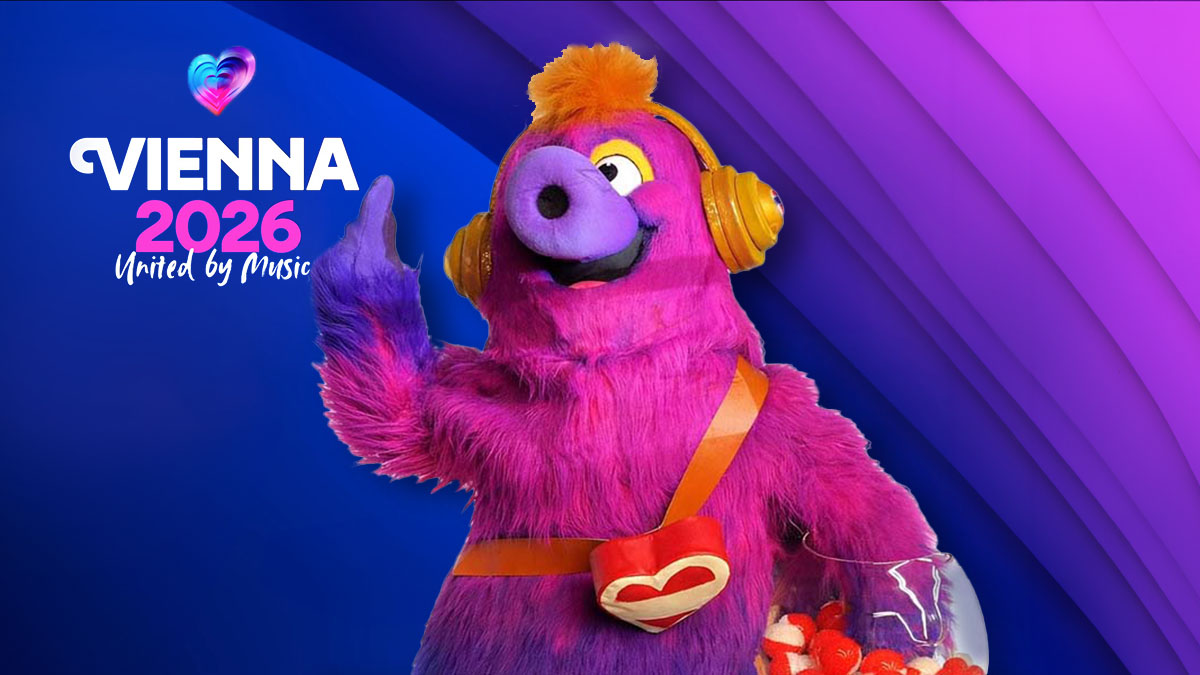
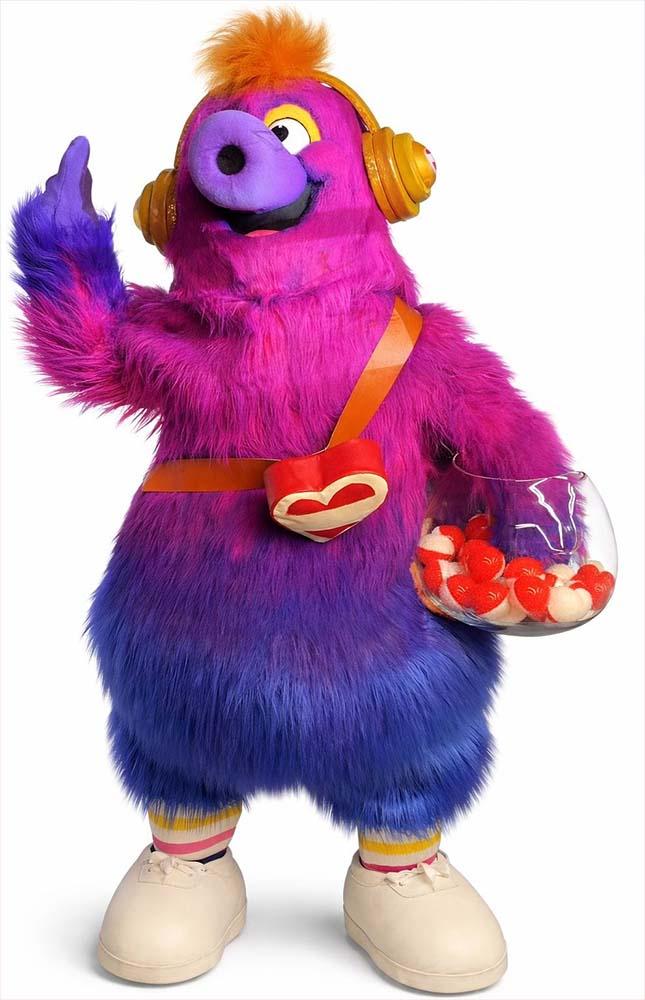
The Eurovision 2026 mascot has officially been revealed as Auri, a new character introduced as part of the Eurovision Song Contest 2026 branding. Auri was unveiled by the Austrian broadcaster ORF ahead of the contest in Vienna, Austria, where the 70th edition of Eurovision will take place.
Auri is presented as a fluffy, colorful character, intended to embody the spirit of unity, creativity, and togetherness that Eurovision promotes. The mascot plays a role not just in promotional material but also in fan engagement and live event activities.


 Design and Theme
While details about the precise design elements vary between reports, Auri features vibrant colors consistent with Eurovision’s brand palette and an eye‑catching look meant to appeal to fans of all ages. The mascot appears to continue Eurovision’s tradition of integrating playful characters into the contest’s broader visual identity.
Unlike some mascots of the past – which were more illustrative or symbolic – Auri has been described as a full‑body character design, something akin to mascots seen in global sports events rather than a simple logo or graphic.
Auri’s Role at Eurovision 2026
Though not a performer or judge, Auri has been involved in some official functions connected to the 2026 contest. For example, the mascot participated symbolically in the draw that finalized Austria’s running order position, helping determine that Austria will perform 25th – the last spot – in the Grand Final.
Auri is also likely to appear across promotional materials, merchandise, and fan events leading up to and during Eurovision week in Vienna in May 2026 (with the Grand Final on 16 May 2026).
Why Eurovision Has Mascots
Eurovision mascots are not just cute additions – they help build a distinct event identity each year. Previous mascots have served a similar purpose:
- Lumo — The official mascot for Eurovision 2025 in Basel, Switzerland. Designed to reflect themes like unity and musical energy, Lumo was inspired by the Eurovision heart symbol and spread across the host city prior to the contest.
Mascots can help:
- Engage families and younger fans
- Boost merchandising opportunities
- Symbolize the unique story of each host city and contest edition
Fan Reactions & Community Buzz
As with other Eurovision mascots, fan reactions to Auri have been mixed – with some embracing the new character and others comparing it to past icons like Lumo. Online communities (like Reddit’s Eurovision subreddit) are actively discussing Auri’s look and impact, with fans sharing memes, theories, and varied opinions about the design and its role in the overall contest experience.
This kind of fan engagement is actually a benefit in terms of brand awareness – even critical or humorous reactions increase online discussion and searches for “Eurovision 2026 mascot” and related keywords.
Eurovision 2026: the 70th edition of the contest will take place in Vienna, Austria, on May 12th, 14th, and 16th, 2026. The Wiener Stadthalle arena, which will host the event, is expected to accommodate around 16,000 spectators per show. The contest returns to Austria following the nation’s third historic win with the song “Wasted Love”, performed by JJ. It will be Austria’s third time hosting Eurovision, after previous editions held in the country in 1967 and 2015.

Email: [email protected]
Phone: +972-50-9441919
Avi Zaikaner is an editor-in-chief, content creator, commentator, and international expert on all things related to the Eurovision Song Contest. Avi has followed the contest for nearly 30 years, and for the past seven years has served as the founder and editor-in-chief of EuroMix, one of the top Eurovision websites in the world, with over 1.5 million users annually.
Since 2021, Avi has provided on-the-ground coverage of the Eurovision Song Contest from the press center in the host city, bringing readers exclusive firsthand experiences, professional analysis, and direct reactions from audiences, artists, and experts. His extensive experience and deep familiarity with the Eurovision world are reflected in every article, ensuring reliable, professional, and up-to-date information.
Avi is recognized as a leading Eurovision opinion maker in Israel, frequently interviewed by major media outlets, collaborating with international experts, and publishing professional content on additional platforms. Every article is written with a commitment to accuracy, transparency, and understanding the audience, with a strong emphasis on fact-checking and presenting a diverse range of opinions.