
RTVE President José Pablo López proposes Spain withdraw from Eurovision 2027, while the EBU awaits the board’s final decision.
Against the backdrop of recent developments surrounding Spain’s participation in the upcoming contest, José Pablo López, President of RTVE, announced today that he will propose to the RTVE Board of Directors that Spain not participate in Eurovision 2027. The proposal comes amid Israel’s participation in the contest and could result in Spain missing Eurovision for a second consecutive year.
As a result, the final decision regarding Spain’s participation now rests with the RTVE Board of Directors. Martin Green, Director of the Eurovision Song Contest, issued the following statement on behalf of the EBU:
“We’ve seen today’s comments from RTVE’s President recommending that Spain does not return to the Eurovision Song Contest in 2027. We respect RTVE’s process and will await their Board’s final decision.”







EBU Highlights Changes to Eurovision
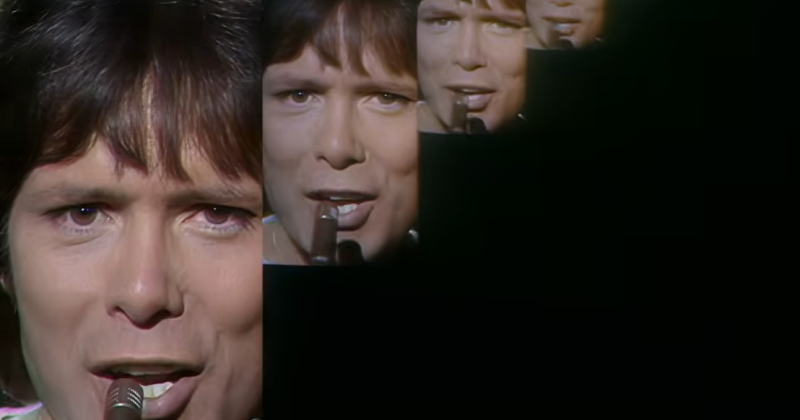
Green also addressed the changes introduced to the contest following concerns raised by EBU Members over the past year.
“Over the past year, we have listened carefully to the concerns raised by our Members. As a result, the Reference Group, the Contest’s governing body, have made significant changes to the Eurovision Song Contest.”
According to the EBU, the changes include stronger safeguards against undue external influence and promotion, tighter voting limits, the return of professional juries to the Semi-Finals, broader and more diverse juries, enhanced voting measures, and further changes intended to ensure that the contest can always be hosted in a safe and secure environment.
The EBU added that it regrets the possibility of Spain withdrawing from the contest despite the changes that have been introduced.
“We regret that, despite these changes, a recommendation will be made that RTVE does not take part in the Contest next year.”
EBU Hopes to See Spain Return
Spain has participated in the Eurovision Song Contest since 1961, and the EBU highlighted RTVE’s long-standing contribution to the competition.
“RTVE has been part of the Eurovision Song Contest since 1961, and we value its long contribution to the Contest. We’d be disappointed not to have Spain join us in Bulgaria, and we hope to see RTVE back in the Contest in the future.”
The final decision regarding Spain’s participation in Eurovision 2027 now rests with the RTVE Board of Directors. If the withdrawal is approved, Spain would miss the contest for a second consecutive year after participating in Eurovision 2026.
Public Backlash and Political Inquiries
According to a report by the RTVE Ombudsman, more than 100 public inquiries dealt directly with the Eurovision Song Contest, with the vast majority focusing on the broadcaster’s controversial decision to boycott the event.
Out of the inquiries received, 96 were official complaints heavily criticizing RTVE’s decision not to participate or broadcast the 2026 contest, making Eurovision the largest subject of complaints against the Spanish national broadcaster for the quarter.
The second most prominent issue, with 95 official complaints, was RTVE’s allegedly biased coverage of the “Sumud Flotilla” to the Gaza Strip, led by the daughter of the 2009 Swedish participant, Greta Thunberg.
As a reminder, RTVE announced a complete withdrawal from Eurovision 2026 last December and declared it would not broadcast the competition at all, in protest of the EBU’s refusal to expel Israel. This extreme move is not disconnected from the internal political context: the Spanish government, led by Pedro Sánchez, relies on a coalition with far-left parties and maintains a harsh diplomatic line against Israel.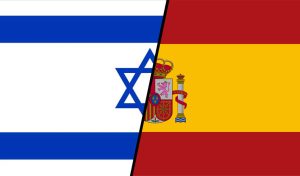
This conduct by the national broadcaster recently led to the establishment of a commission of inquiry in the Spanish Senate, designed to investigate politicization and government involvement in the boycott decision. Surprisingly, while the Senate investigates RTVE’s biases, the EBU chose to back the Spanish broadcaster, expressing “deep concern” over the inquiry, citing a breach of broadcast independence. Currently, it appears that these political struggles and alleged hypocrisies not only hurt the Spanish audience but also directly impact the European production budget and burden the other participating nations.
Spain has not yet decided whether it will participate in 2027 or continue to boycott the contest, but so far, it has not altered its rigid stance, which aligns with the hostility of the Spanish Prime Minister towards Israel.
Spain in Eurovision 2025
“Esa Diva” (in English: “That Diva”) is the title of the song performed by singer Melody, who represented Spain at Eurovision 2025 in Basel, Switzerland.
Spain finished 24th with 37 points – 27 points from the juries, placing 21st, and only 10 points from the televotes, placing 22nd. In the last 20 years, Spain managed to finish only 3 times in the top 10.
Eurovision 2025: This was Spain’s 65th participation in Eurovision. Spain joined the competition in 1961 and won it twice consecutively in 1968 and 1969. Spain has hosted the contest on its territory only once in 1969 and since then holds the longest waiting time since its last victory – 56 years.
Email: [email protected]
Phone: +972-53-9514754
A writer and content creator with a strong specialization in the Eurovision scene, particularly across Eastern Europe and post-Soviet countries. His work highlights the artistry, storytelling, and cultural variety that define the contest, offering readers a deeper look into both established performers and emerging voices.
As a skilled translator and polyglot, he brings a unique linguistic and cultural understanding to his analysis and coverage..