
Portuguese national broadcaster RTP announces major format changes for Festival da Canção 2027, scrapping direct invitations and semi-finals for a single show.
The Portuguese national broadcaster RTP has announced significant changes to Festival da Canção, Portugal’s national selection for Eurovision. Ahead of the 2027 edition, the country is overhauling both the way songs are selected for the competition and the structure of the festival itself. Here are the full details of what is set to change.







What Has Changed Compared to Previous Years?
In recent years, the festival combined several different pathways for selecting participants. One route was open submissions, allowing songwriters and musicians to submit original songs and compete for a spot in the contest, alongside another route that brought in songwriters who received a direct invitation from RTP. In the 2026 edition, eight songwriters were invited directly by RTP, six were chosen from open submissions, one songwriter was selected via public vote, and one received an invitation from the band NAPA, winners of the 2025 edition.
For the 2027 edition, however, all 16 spots will be determined exclusively through open submissions. RTP will not issue personal invitations to songwriters, and anyone interested will be able to submit original, previously unreleased songs.
The changes do not end there: unlike the format of recent years, which featured two semi-finals and a grand final, all 16 songs will now be performed in a single night, set to take place on March 6th, 2027. The winner will be decided by a 50/50 split combining public voting and regional jury votes.
Songwriters interested in taking part in the festival can submit their entries until November 30th, 2026 – only three days remaining. Submissions are open to Portuguese citizens, including those living abroad, as well as foreign residents living in Portugal. Each applicant may submit up to two original, unreleased songs, each up to three minutes long. From all submissions, a five-member jury will review the entries and select the 16 songs that will compete in the festival.
What Is Behind the Change?
Click on the song titles to listen!
Portugal has experienced widely varied eras at Eurovision over the years. While the country struggled for decades to achieve major results, the victory of Salvador Sobral in 2017 with the song “Amar Pelos Dois” (in English: “Love for Both”) transformed Portugal’s standing in the contest, delivering its first-ever win and setting the all-time Eurovision points record with 758 points in the Grand Final.
Further successes followed in subsequent years, including MARO‘s ninth-place finish in 2022 with “Saudade, Saudade” (in English: “Longing, Longing”) and Iolanda‘s tenth-place finish in 2024 with “Grito” (in English: “Scream”).
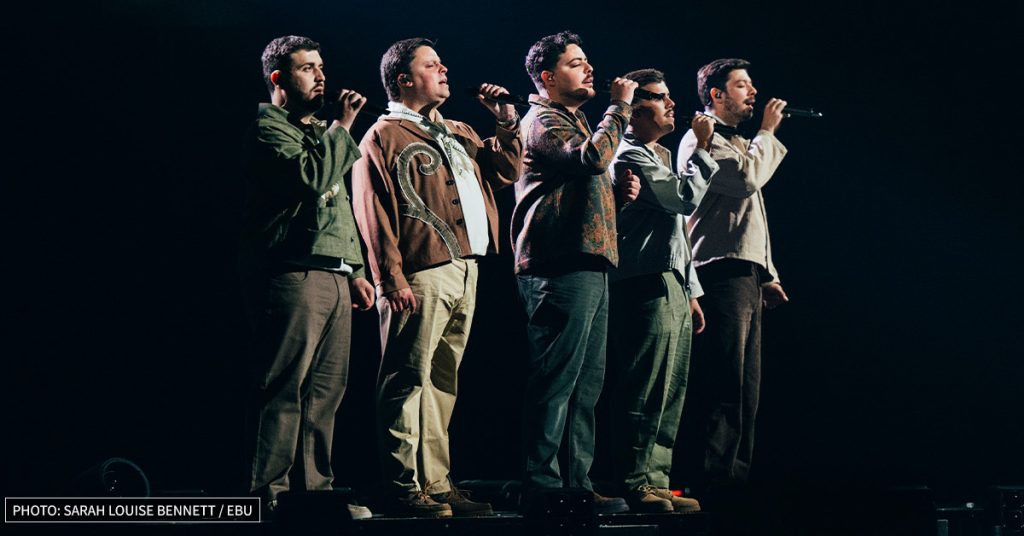
However, results in the last two editions were less encouraging: the band NAPA finished in 21st place at Eurovision 2025 with “Deslocado” (in English: “Displaced”), while the band Bandidos do Cante failed to qualify for the Grand Final in 2026 with “Rosa” (in English: “Rose”).
Now, with a revamped format and major changes to how its representative is chosen, Portugal hopes to rediscover its winning Eurovision formula. Will this new approach succeed in returning the country to its past heights?