Demet Akalın wants to represent the Republic of Türkiye at Eurovision — but she has conditions! What are the successful singer’s terms, and is there a chance Türkiye will come back to the contest?
The Turkish singer Demet Akalın, who performed the hit “Yerinde Dur” (“Standing Still”) with Sefu, announced in an interview that she is open to participating in the Eurovision Song Contest if Turkey returns to the competition, on the condition that the song is in Turkish. Akalın’s latest hit topped all Turkish charts, reached fifth place on the global trending YouTube videos list, and garnered more than 91 million views on YouTube within just one month.
The announcement of her willingness to represent the Republic of Türkiye comes after more than a decade in which the country has not taken part in the contest.


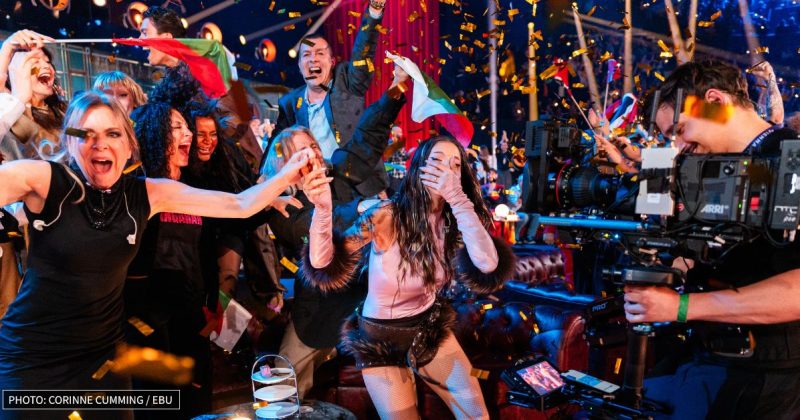



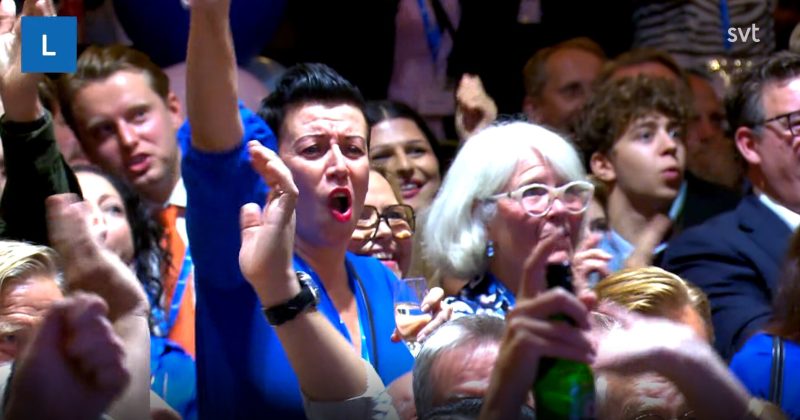

Fans on Edge — Will Turkey Return?
Demet Akalın’s statement raises questions about the future of Turkey in the Eurovision Song Contest and whether there is a shift in the Middle Eastern country’s stance. Turkey, which ceased participation from 2013, might seize this opportunity to once again place Turkish culture at the center of Europe and enhance its global standing. It is important to remember that in recent years the contest has evolved into a platform for promoting contemporary music, featuring rich cultural diversity and attracting millions of viewers worldwide.
The Turkish national broadcaster TRT has not officially expressed any interest in returning to Eurovision so far. This is likely due to the Islamist position of the current Turkish government, which conflicts with the contest’s diverse and liberal values. Turkey’s present policies are influenced by religious currents shaping its public and cultural identity, complicating its participation in an international festival that serves as a platform for cultural and gender diversity and freedom of expression. In fact, even if Akalın is willing and able to represent Turkey at Eurovision, the decision lies with TRT, which aligns with the Turkish government’s policy.
 Eurovision is originally a musical competition among European countries that has become a multicultural event with broad social impact. Turkey was once an active participant with notable achievements, including one victory in 2003. Its return to the contest could promote a new message of linguistic diversity and cultural empowerment.
Nevertheless, the decision to return depends on numerous political and social factors. The fact that a well-known singer in the country is ready to represent it rekindles the perennial question debated by fans every year — will we see Turkey again in Eurovision? Without an official statement from the Turkish national broadcaster, this question remains open.
Turkey in Eurovision
Turkey withdrew from the Eurovision Song Contest in 2013 due to disagreements with some contest rules, such as the automatic final qualification of the Big Five countries (Italy, Germany, France, the United Kingdom, and Spain). Some sources indicate that the contest’s support for the LGBTQ+ community also influenced the decision of conservative Turkey to leave. The European Broadcasting Union has welcomed Turkey’s return several times. In January 2019, a surprising statement was released by the chairman of the Eurovision focus group suggesting that Turkey might be added to the Big Five countries.
Turkey’s last participation was in Eurovision 2012 with the song “Love Me Back,” performed by Can Bonomo, who placed seventh. Before its withdrawal, the Middle Eastern country was one of the major contestants with a dedicated viewership. In 2009, Eurovision achieved ratings of 58.54%, with tens of millions watching the contest.
Turkey has won Eurovision only once, in 2003, when singer Sertab Erener performed the song “Everyway That I Can.”

Email: [email protected]
Phone: +972-50-9441919
Avi Zaikaner is an editor-in-chief, content creator, commentator, and international expert on all things related to the Eurovision Song Contest. Avi has followed the contest for nearly 30 years, and for the past seven years has served as the founder and editor-in-chief of EuroMix, one of the top Eurovision websites in the world, with over 1.5 million users annually.
Since 2021, Avi has provided on-the-ground coverage of the Eurovision Song Contest from the press center in the host city, bringing readers exclusive firsthand experiences, professional analysis, and direct reactions from audiences, artists, and experts. His extensive experience and deep familiarity with the Eurovision world are reflected in every article, ensuring reliable, professional, and up-to-date information.
Avi is recognized as a leading Eurovision opinion maker in Israel, frequently interviewed by major media outlets, collaborating with international experts, and publishing professional content on additional platforms. Every article is written with a commitment to accuracy, transparency, and understanding the audience, with a strong emphasis on fact-checking and presenting a diverse range of opinions.