For the first time since 2021, Armenia’s Simon and Azerbaijan’s Jiva met at the Dutch pre-paert “Eurovision In Concert”, posed for photos together, and fans have reacted with a mix of excitement and criticism.
The relations between Armenia and Azerbaijan, the two neighboring countries in the Caucasus Mountains, have seen ups and downs throughout the history of the Eurovision Song Contest, due to the long history of wars and prolonged conflict between them. Last night (Saturday), another step forward was noted in the countries’ relationship during the contest, perhaps signaling the beginning of a thaw between the rival nations, all in the form of several photos and videos showing the Azerbaijani representative, Jiva, and the Armenian representative, Simon, side by side.




Armenia and Azerbaijan: A Long‑Running Drama
The relationship between Armenia and Azerbaijan, two neighboring countries in the Caucasus region, has been marked by ups and downs throughout Eurovision history, rooted in their long‑standing wars and enduring conflict. In 2006, Armenian broadcaster AMPTV joined the contest, while Azerbaijan followed in 2008, and in the nearly two decades since, the two countries have generated numerous tense, political, and controversial moments on the Eurovision stage.
The first notable incident occurred at Eurovision 2009, when the Armenian representatives Inga and Anush displayed footage of Nagorno‑Karabakh – a disputed territory that both countries claim – during their postcard. The Azerbaijani media strongly criticized the Armenian representation, prompting the Armenian team to respond by projecting images of Nagorno‑Karabakh in the background during the voting results. That same year, Azerbaijan was accused of detaining and interrogating citizens who voted for Armenia in the public vote, labeling them unpatriotic and a threat to national security; the EBU later fined Azerbaijani broadcaster iTV for breaching voters’ privacy.
Azerbaijan won Eurovision for the first time in 2011 with Ell & Nikki and their song “Running Scared”, which meant the 2012 contest would be hosted in Baku. In response, a group of Armenian artists pressured their national broadcaster to boycott the contest, and Armenia ultimately stayed away that year.
In 2015, Armenia planned to send the song “Don’t Deny” by the band Genealogy, whose members are Armenian diaspora representatives from around the world. Many interpreted the entry as political, as Azerbaijan argued it referred to the Armenian genocide of 1915ת since Azerbaijan does not recognize the genocide, broadcaster iTV accused Armenia of staging a political act and blocked the song under that title. Armenia then changed the song’s title to “Face the Shadow”ת while keeping the original lyrics intact.
The controversy continued a year later, when Armenia’s 2016 representative, Iveta Mukuchyan, waved the flag of Nagorno‑Karabakh during the semi‑final, in violation of the contest rules. The EBU issued Armenia and its broadcaster a formal reprimand and a warning against using political messages on the Eurovision stage.
A Heartfelt Encounter Between the Representatives
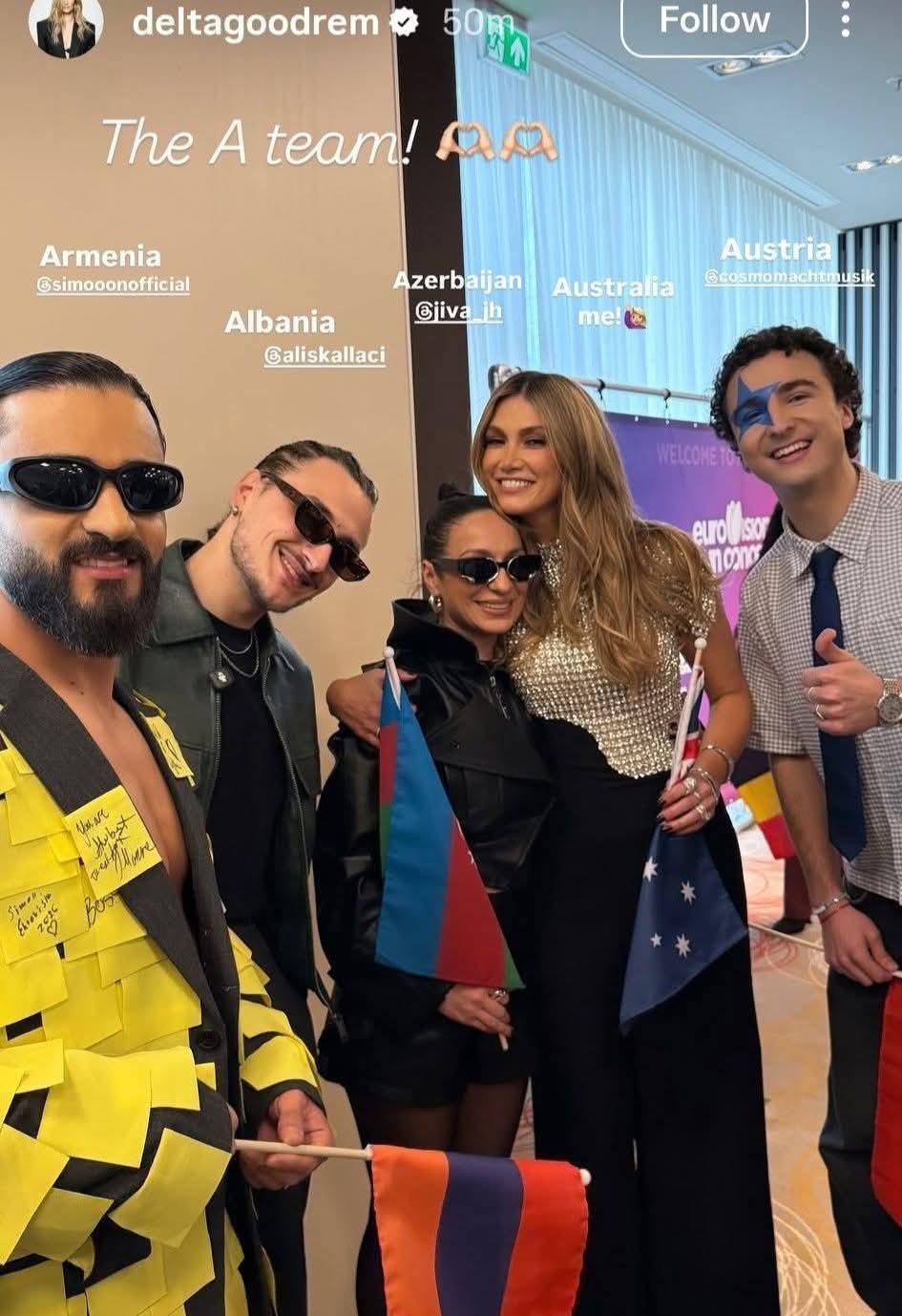
Last night saw one of the continent’s major Eurovision events, the annual Dutch “Eurovision In Concert” party, where 27 of Eurovision 2026’s participating acts performed, including Armenia’s Simon and Azerbaijan’s Jiva. Departing from years of mutual avoidance between representatives from these countries, Simon chose to actively engage with Jiva, posing for photos with her and even asking her to sign his outfit in a video he later shared on his Instagram.Last night saw one of the continent’s major Eurovision events, the annual Dutch “Eurovision In Concert” party, where 27 of Eurovision 2026’s participating acts performed, including Armenia’s Simon and Azerbaijan’s Jiva. Departing from years of mutual avoidance between representatives from these countries, Simon chose to actively engage with Jiva, posing for photos with her and even asking her to sign his outfit in a video he later shared on his Instagram.
הצגת פוסט זה באינסטגרם
In another photo published by Australia’s Delta Goodrem on Instagram, a group shot features several Eurovision 2026 participants, with Simon and Jiva standing together alongside the Albanian and Austrian entries. The fact that they chose to be photographed side by side and openly share the images is far from automatic, given that both artists risk criticism from media and public opinion in their home countries.
Fans’ Reactions and Broader Symbolism
Fan responses poured in quickly, with many praising the unexpected sign of unity. One user wrote:
“Thank you for bonding with the Azerbaijani representative. I’m sure we’ll have a bright future ❤️”.
While another commented:
“Love to see Armenia and Azerbaijan united!”
Although the overwhelming majority of comments were positive, some backlash emerged as well. A comment in Armenian stated:
“I definitely won’t be voting for you – let the Azerbaijanis vote for you instead”.
In recent years, Eurovision has adopted the slogan “United by Music”, emphasizing human connection above borders and politics. While the current boycott movement against Israel in Eurovision 2026 challenges that unifying message, moments like this rapprochement between competing artists from historically hostile countries, along with the largely positive audience response, raise hope that Eurovision’s future can still lean toward unity and the power of music over political division.
JIVA – Who Are You?
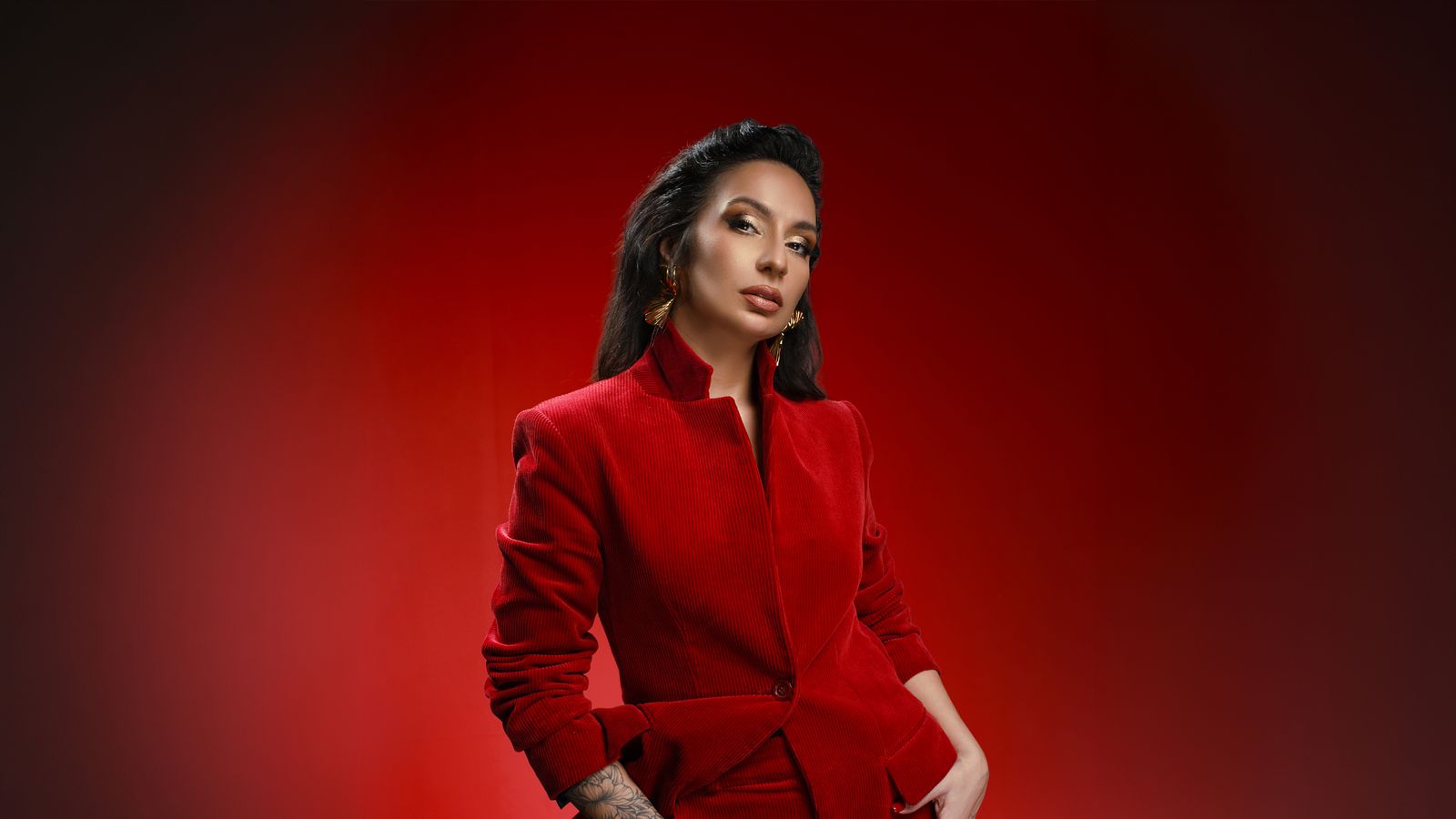 JIVA, whose real name is Jamila Hashimova, is a prominent Azerbaijani pop singer. She previously performed with the renowned RAST ensemble, taking the stage at the prestigious Montreux Jazz Festival. Later, as the lead vocalist of the band Hazz, she masterfully combined elements of jazz with contemporary pop music. Her solo career officially launched in 2017. She currently records pop, dance, and R&B songs in Azerbaijani, Russian, and English.
Simon – Who Are You?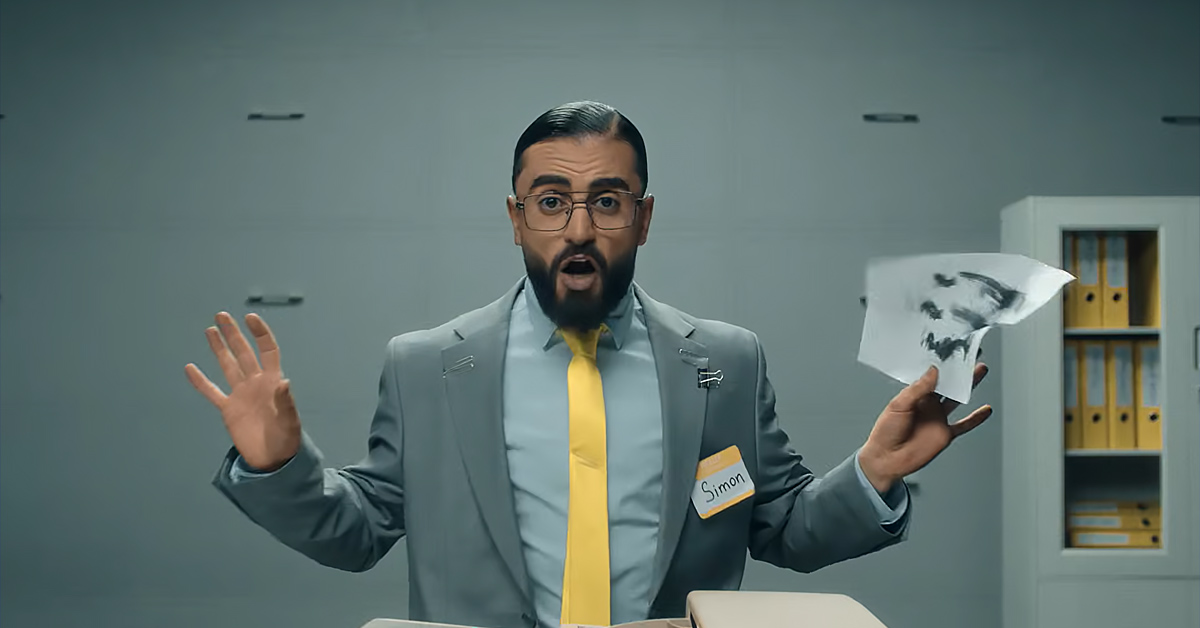
Simon is an emerging Armenian singer who competed in Armenia’s 2025 national selection with the song “Ay paparey bye,” where he finished second overall after winning the jury vote. He has now been chosen to represent the country at Eurovision 2026.
Eurovision 2026: the 70th edition of the contest will take place in Vienna, Austria, on May 12th, 14th, and 16th, 2026. The Wiener Stadthalle arena, which will host the event, is expected to accommodate around 16,000 spectators per show. The contest returns to Austria following the nation’s third historic win with the song “Wasted Love”, performed by JJ. It will be Austria’s third time hosting Eurovision, after previous editions held in the country in 1967 and 2015.
Email: [email protected]
Phone: +972 50-9441919
Ido Na’aman is a journalist, content creator, and commentator specializing in the Eurovision Song Contest. His extensive knowledge and in-depth familiarity with the Eurovision world are reflected in every article, ensuring reliable, professional, and up-to-date content.