EBU regrets RTÉ’s Eurovision 2027 withdrawal but says Ireland’s return remains possible in future editions.
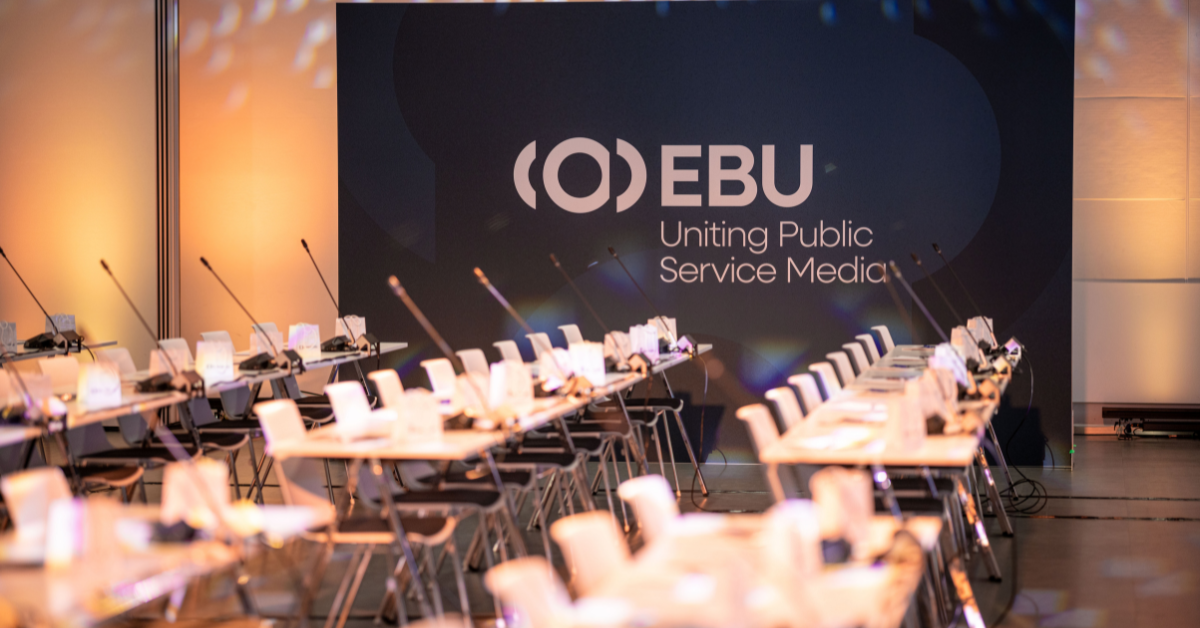
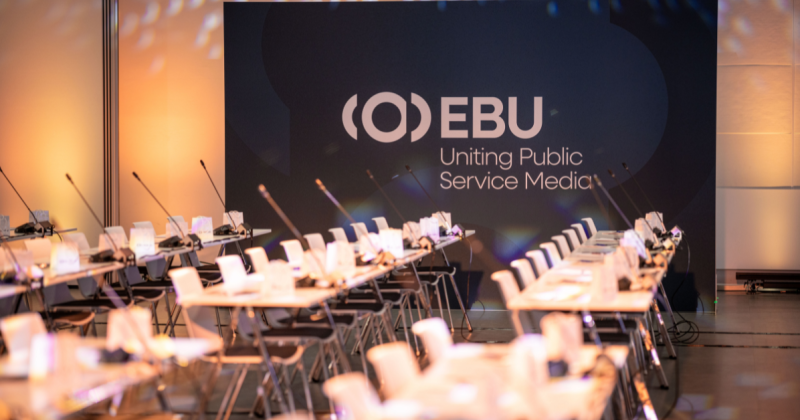
Shortly after the Irish national broadcaster RTÉ announced that it would also withdraw from Eurovision 2027, the European Broadcasting Union (EBU) published an official response to the decision. The EBU expressed regret over Ireland’s absence while emphasizing its respect for RTÉ’s decision.
Martin Green, Eurovision Director, said:
“The European Broadcasting Union regrets that RTÉ will not participate in Eurovision 2027, but we fully respect its decision. We recognize its immense contribution to the Contest and will miss its presence, as it remains a highly valued member of the Eurovision family.”
Green also addressed Eurovision’s role in connecting people and countries through music, noting that the competition is at its best when broadcasters and artists from different countries come together to share music, celebrate creativity and build connections between audiences.
According to Green, Eurovision’s ability to “bring people together is at the heart of what makes the Contest so special”, and this is even more important in an increasingly complex and divided world.
Alongside the announcement of Ireland’s absence from Eurovision 2027, Green clarified that the decision to participate in Eurovision is made anew each year by each of the EBU’s member broadcasters.
He added that the EBU will remain in contact with RTÉ and hopes to see Ireland return to the competition in the future:
“All broadcasters decide each year whether they will participate in the following edition, and we will continue our dialogue with RTÉ, which we hope to welcome back in the future.”

Ireland and Israel at Eurovision
Ireland is known for having particularly tense relations with Israel in the Eurovision context. One of the clearest examples is singer Bambie Thug, who represented Ireland at Eurovision 2024 with the song “Doomsday Blue” and finished in 6th place with 278 points, one position behind Israel, which finished 5th.
Bambie continued to provoke controversy involving Israel throughout the contest and afterward. During Eurovision 2024, the singer openly expressed support for Palestinians, including by displaying writing in the Irish language on their face calling for a “ceasefire”, wearing a Palestinian keffiyeh, and displaying watermelon-shaped cushions in the Green Room during the voting. These actions contributed to the controversy surrounding Israel’s participation in Eurovision.
Since Ireland withdrew from the contest, numerous voices from the country have expressed support for the decision and criticized Israel. Johnny Logan, the legendary Eurovision winner and one of the most prominent figures in the contest’s history, revealed that he had refused no fewer than four invitations to appear as a guest at this year’s contest because of his opposition to Israel’s participation. Eurovision 1994 winner Charlie McGettigan said he agreed with Logan, strongly criticizing the European Broadcasting Union and even deciding to return his Eurovision trophy as a protest against Israel’s participation.
On the other hand, Dana Rosemary Scallon, Ireland’s first Eurovision winner, who won Eurovision 1970 with the song “All Kinds of Everything”, shared that she believes Eurovision should remain free of politics and that “she hopes music can be a space where people can come together.” She also implicitly criticized the countries that chose to withdraw from Eurovision 2026 because of Israel’s participation.
Ireland in Eurovision 2025
“Laika Party” is the name of the song performed by singer EMMY, who represented Ireland in the second semi-final of Eurovision 2025 held in Basel, Switzerland. Ireland failed to qualify for the Grand Final, finishing 13th out of 16 with just 28 points.
Over the past five years, Ireland has reached the Grand Final only once.
Eurovision 2025: This was Ireland’s 58th participation in the contest. The country joined Eurovision in 1965 and is tied with Sweden for the most wins, with seven victories. Ireland’s most recent win came in 1996 with the song “The Voice”, performed by singer Eimear Quinn.


Email: [email protected]
Phone: +972-53-9514754
A writer and content creator with a strong specialization in the Eurovision scene, particularly across Eastern Europe and post-Soviet countries. His work highlights the artistry, storytelling, and cultural variety that define the contest, offering readers a deeper look into both established performers and emerging voices.
As a skilled translator and polyglot, he brings a unique linguistic and cultural understanding to his analysis and coverage..