MRT outlines its Eurovision 2027 comeback, promising full clarity in the selection of the representative: “The public will know exactly who was chosen and why.”

Preparations for Eurovision 2027, which will be held in Burgas, Bulgaria, are gaining momentum, and one of the most intriguing countries returning to the contest after an extended absence is North Macedonia. The Macedonian national broadcaster MRT has revealed official details regarding its return to the competition, introducing the new delegation leadership, committing to a fundamental overhaul of the selection process, and announcing unprecedented support from the European Broadcasting Union (EBU).



North Macedonia’s Heads of Delegation

Leading the Macedonian delegation at Eurovision 2027 will be two familiar and highly respected figures in the Eurovision community: Jana Burčeska and Aleksandra Jovanovska.

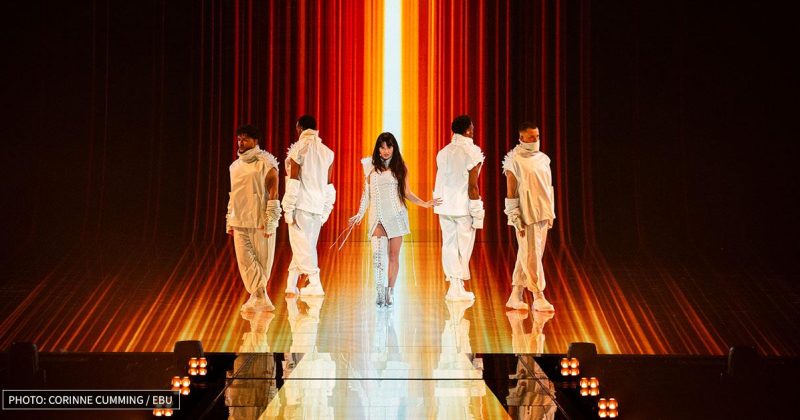
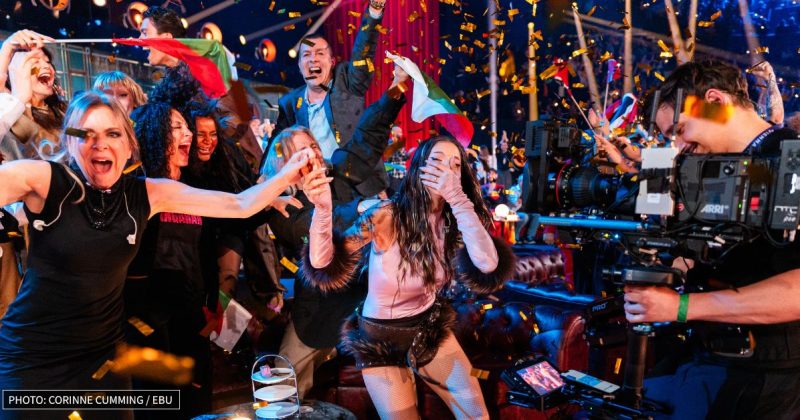
Burčeska is well known to contest fans after representing North Macedonia at Eurovision 2017 in Kyiv with the song “Dance Alone“, finishing in 15th place in the semi-final and failing to qualify for the Grand Final. Despite the disappointing result, the emotional live marriage proposal she received in the green room in Kyiv remains etched as one of the most unforgettable moments in contest history.

Alongside her, the delegation will be led by Jovanovska, who has taken part in numerous Macedonian Eurovision projects over the years. Among other roles, she hosted the national selection “Skopje Fest 2010” and the broadcast “Za Evrosong 2022”, and also served twice as a member of the Macedonian jury for the competition.

The Transparency Revolution and Support From the European Broadcasting Union

At the core of the announcement stands a statement from the director of national broadcaster MRT, Zoran Ristoski, who promised a profound conceptual change in how the artist and song will be selected for the country:

“The practice of non-transparent elections is ending. The public will know how and why the person who will represent the country was chosen.”

This statement follows past public criticism directed at the national broadcaster’s internal and closed selection procedures.

Beyond structural modifications to the selection method, MRT emphasized that the comeback is made possible thanks to dedicated, comprehensive support from the EBU, featuring significant financial relief:

“Our public broadcaster has the full support of the EBU in promoting Macedonian cultural values. Furthermore, we expect a significantly more favorable financial package that will enable us to make this grand return to the competition.”

As recalled, North Macedonia has been absent from the Eurovision stage for the past four years, primarily due to severe financial constraints. Now, the combination of financial assistance from the EBU, a refreshed delegation lineup, and a commitment to public transparency paves the way for an exciting comeback in neighboring Bulgaria.


North Macedonia in Eurovision 2022

Andrea represented North Macedonia with her song “Circles” after winning the local national final. She competed in the second semi-final and finished in 11th place with 76 points.

Eurovision 2027: This will be North Macedonia’s 22nd participation in Eurovision. North Macedonia joined the competition in 1998 and achieved its best result in Eurovision 2019 when singer Tamara Todevska finished in seventh place with the song “Proud”.

Email: [email protected]
Phone: +972-50-9441919

Neta Geffen is a respected journalist at Euromix, Israel’s leading news site for Eurovision coverage. Since 2010, Neta has been closely following the Eurovision Song Contest, bringing with him extensive experience, profound knowledge, and a broad understanding of the history, politics, and cultural influences that shape the event every year.

Neta publishes articles, analyses, and up-to-date reviews on all Eurovision developments, including musical trends, format changes, political influences, and audience reactions across Europe and Israel. Thanks to a deep connection to the contest’s history, Neta provides readers with wide-ranging context—from the impact of political events on results, to in-depth analyses of songs and languages within the competition. Neta specializes particularly in the Eurovision rock genre, Balkan ballads, and native language entries, with a special focus on Italian and Greek songs.