British parliament will question BBC over dismal Eurovision results following Look Mum No Computer finishing in last place.
British Members of Parliament are set to summon representatives of the British national broadcaster BBC, alongside the Digital, Culture, Media and Sport Committee, for a hearing that will deeply investigate the country’s failures in the Eurovision Song Contest, likely leading to a reconsideration of the selection process. This move comes after Look Mum No Computer finished in last place in the grand final this past year with just a single point.






This hearing is expected to put British results in the contest at center stage and investigate how a global music powerhouse like the UK crashes to the bottom of the scoreboard in Eurovision year after year. Representatives from the music industry and the British national broadcaster may explain how British entries are currently selected, as well as discuss possible changes to the process. Later on, after reviewing the evidence, the committee may draft a brief recommendation report for the British national broadcaster. According to reports, the hearing is expected to take place in the coming months, though a final date for the session has yet to be set.
British Member of Parliament Caroline Dinenage criticized decision-making at the BBC, stating: “We want to get to the bottom of who chooses our entrant, on what basis, and whether our dismal record of achievement in recent years is the result of bad song choice, weak performance… or something else”.
30 Years Without a Victory
The hearing takes place at a symbolic moment – 30 years since the last British victory in the competition. Since that night, the country’s standing at Eurovision has suffered a dramatic crash. The UK has finished in last place on multiple occasions and received zero points from the public vote more than once. Despite this string of disappointments, the contest continues to serve as a massive television anchor in the country, with the grand final broadcast still attracting millions of devoted British viewers every year.
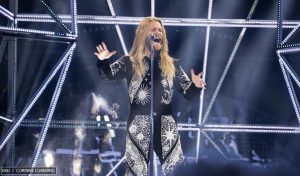
Furthermore, across various selection methods over the past 15 years, the nation has managed to finish above 15th place only once. That lone bright spot came at Eurovision 2022, when Sam Ryder captured second place with the hit song “Space Man”, bringing the UK its most impressive achievement in decades.
Will the BBC Rethink Its Selection Strategy?
However, that success proved to be a one-off. The UK failed to build on the momentum from Eurovision 2022 and quickly returned to disappointing results. The contrast between the nation’s stature as a music empire and its repeated failures raises many questions about the root of the problem, whether it is the quality of the songs, the visual staging, the identity of the artists, or the overall selection process.
As a reminder, just last week we reported that the BBC was exploring the option of selecting Rebecca Ferguson as the British entry for Eurovision 2027. However, in light of the upcoming parliamentary hearing, the British national broadcaster will likely need to give heavy thought to how it chooses its artist for the next contest. Will the UK continue selecting its act internally, or will decision makers suddenly decide to produce a national selection show? Only time will tell.