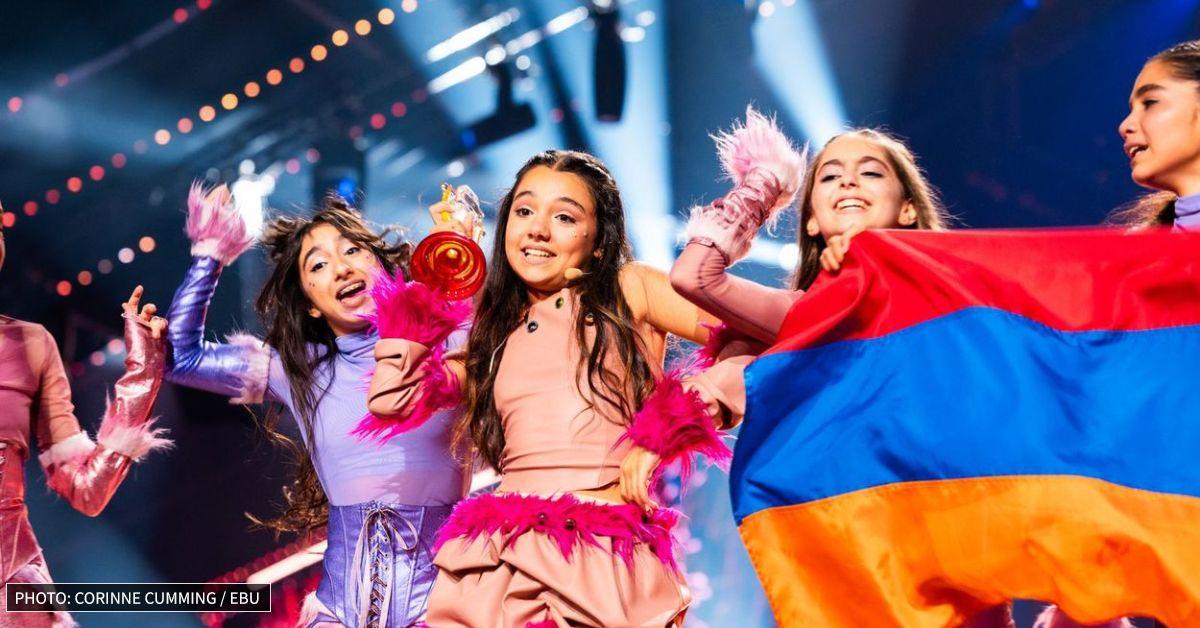
Historic production delays, microphone failures, LED outages, and a dramatic intervention by the Dutch delegation marred Junior Eurovision 2026 in Malta.
The Junior Eurovision Song Contest in Malta last night was meant to be a glittering musical celebration, but it quickly became one of the most challenging broadcasts in the contest’s history. A series of severe technical glitches, unprecedented delays, and operational issues disrupted the evening, leaving viewers and delegations in shock. What was the dramatic request made by the Netherlands? Which delay broke a record across both adult and Junior Eurovision contests? The full answers follow below.
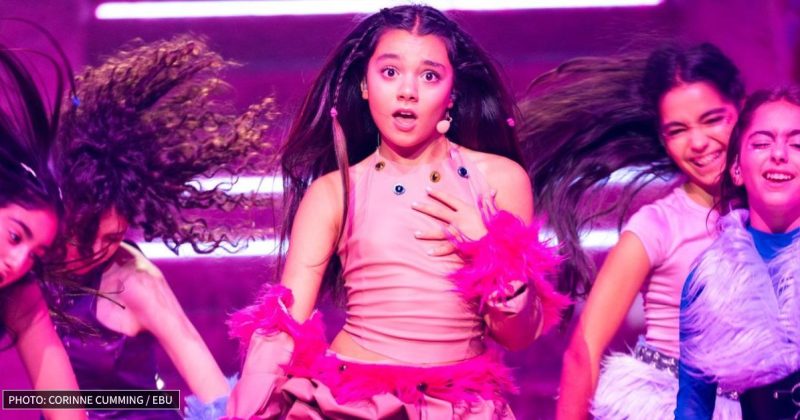



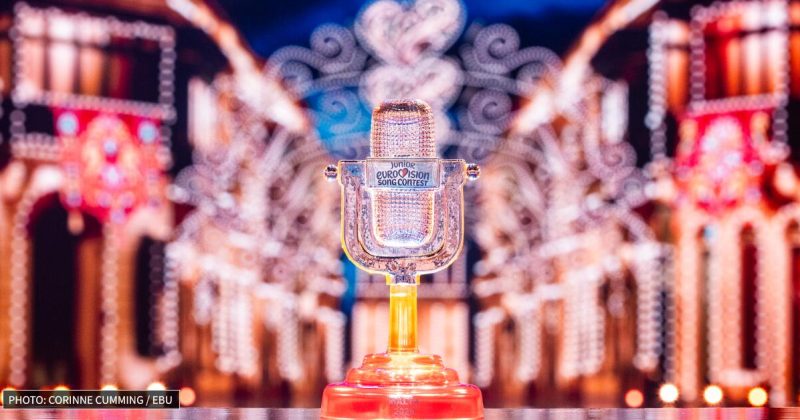
Dead pixels and a record-breaking delay for Cyprus
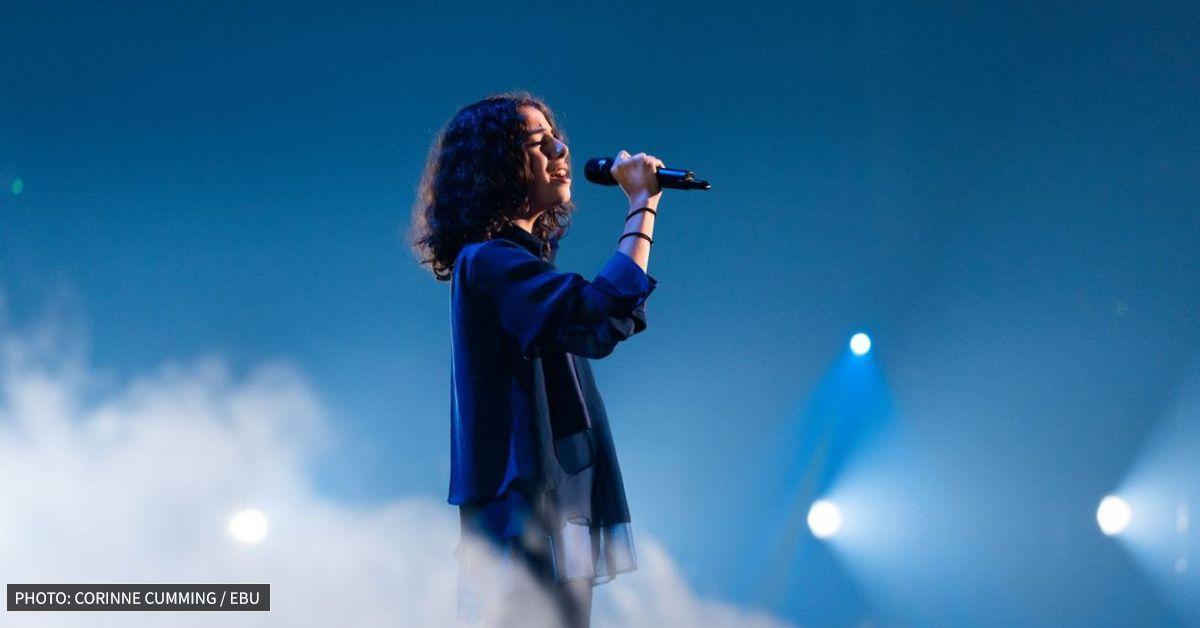
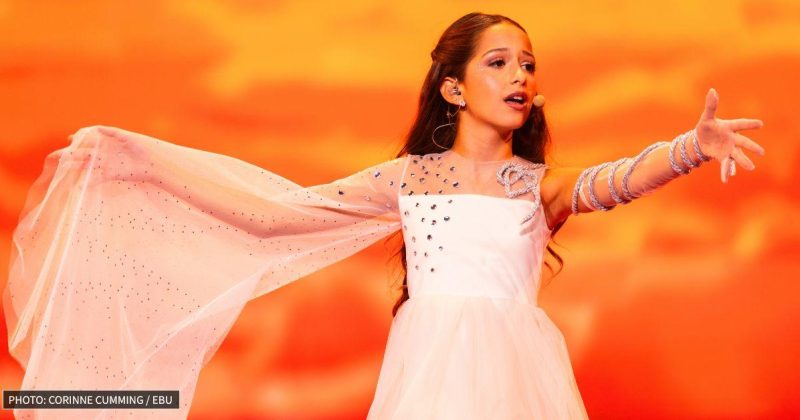
A dramatic glitch that set a new historical record occurred during Cyprus’s performance when the stage was not ready in time. This involved a dramatic delay of no less than five minutes and forty-two seconds, marking the largest delay in the history of the Eurovision Song Contest across both of its formats (the adult contest and the junior contest). The young Cypriot representative looked and sounded visibly stressed and uneasy during his performance due to the production mishap. According to sources familiar with the matter, the malfunction was caused by issues with the smoke machines that formed a central part of the Cypriot staging.
Furthermore, one of the production’s most prominent issues occurred when a large pixel block turned off in the middle of the stage’s LED floor, consistently disrupting the performances of the competing entries.
The Dutch delegation drama and the problematic microphone
Maria, the 10-year-old representative of the Netherlands, experienced a nerve-wracking moment when her microphone became stuck in its stand and the young singer could not remove it, a movement that had been planned to take place at the song’s climax. Despite the visible pressure on her face in front of tens of millions of viewers, Maria recovered heroically, delivering an impressive performance and demonstrating remarkable vocal abilities. However, the incident did not end there: the Dutch delegation firmly demanded that the European Broadcasting Union (EBU) upload the performance from the jury rehearsal preceding the contest to the official YouTube channel instead of the live performance – a request that was indeed granted.
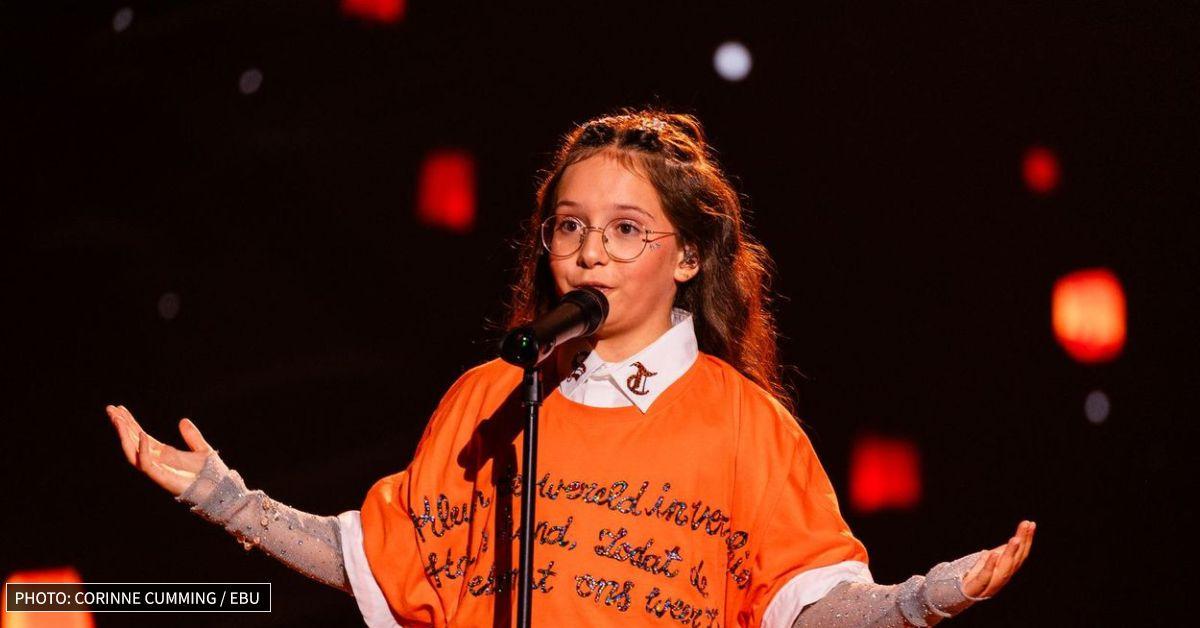
Later in the evening, the Netherlands was absent from the second recap of all performances – the recap video showing a short clip of each performance while voting is open – where instead of displaying a clip from the country’s performance, only a general shot of the arena was broadcast. This caused a momentary panic among viewers until the host hurried to reassure everyone, announcing immediately after the recap ended that the nation remained part of the contest and that it was merely a technical mishap, offering sincere apologies for the error.
Collapsing headsets and a voting reveal blunder
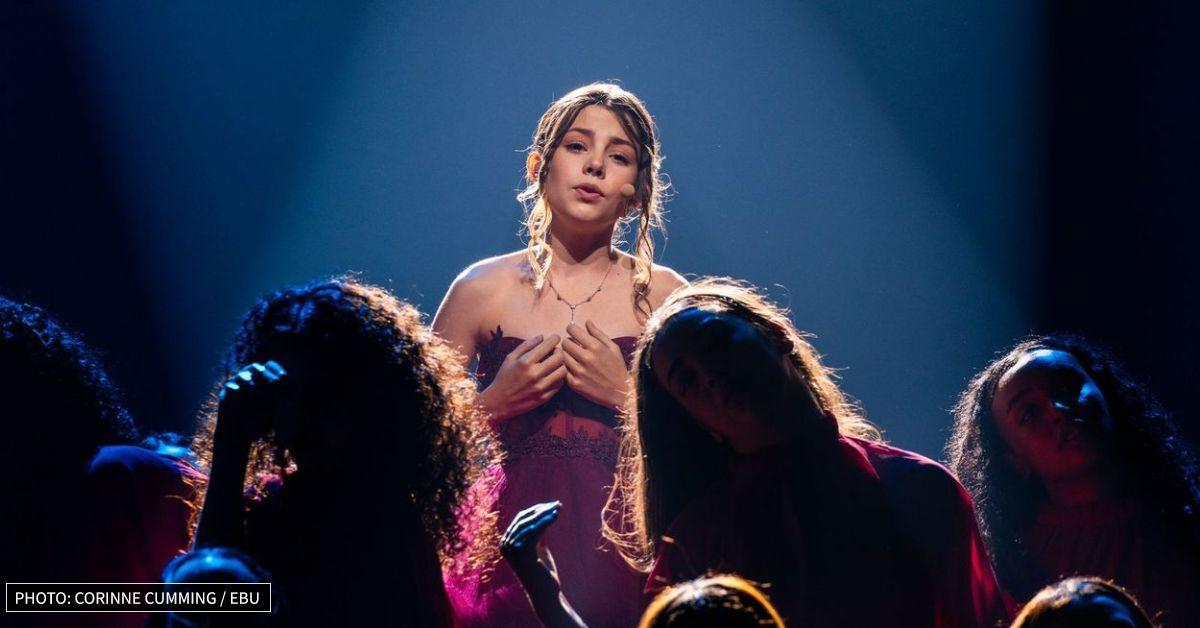
Technical glitches continued to haunt the production throughout the broadcast. The hosts experienced headset microphone failures that persisted all night long, suffering from audio cut-outs and complete disconnections during their hosting segments. This phenomenon is not unfamiliar to Malta – though many may not recall, this exact glitch also occurred when the country hosted Junior Eurovision in 2016 following the victory of Destiny Chukunyere with the song “Not My Soul”, who happened to be one of last night’s co-hosts. The headset microphones continued to fail even during the guest performance by last year’s Junior Eurovision winner from France, Lou Deleuze, performing her song “Ce Monde”.
Another mishap involving the hosts occurred immediately following a commercial break – the presenters failed to reach the stage in time and were caught unprepared. Instead of seeing the hosts standing centrally on stage reading their scripted lines, viewers watched them running embarrassingly onto the stage.
Moreover, during the reveal of the Spanish jury points, an unexpected error occurred. At the beginning of the spokesperson segment, everything seemed fine as the country’s 2025 representative began speaking, but a camera glitch quickly unfolded. Instead of showing last year’s representative delivering the points, a blurry shot of the Green Room was broadcast. The issue was resolved only in the final seconds of Spain’s jury score presentation.
Winner’s reprise issues and a stubborn sail
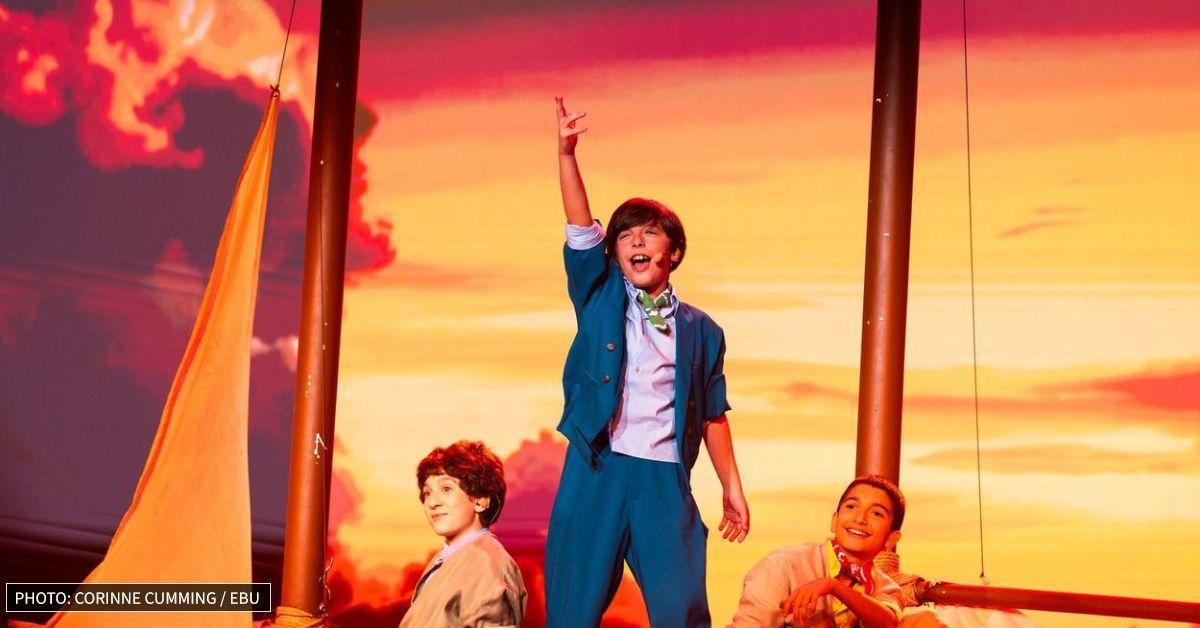
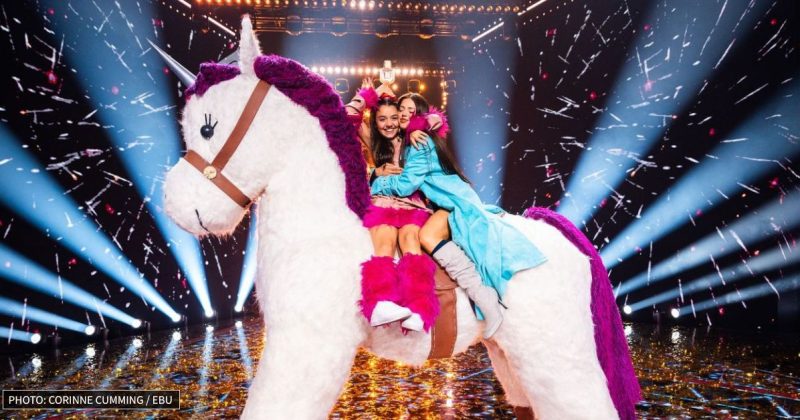
The drama continued into the final moments of the evening. Naré, the winner of the contest, struggled with severe in-ear monitor issues during her victory performance, which prevented her from hearing the tempo properly and staying in sync with the music.
Another malfunction during the broadcast took place during the performance of Davit Lomidze, representing Georgia with the song “Sun On The Rooftops“. At the climax of the Georgian performance, while Lomidze was positioned on a large boat delivering an extraordinarily impressive vocal performance, one of the central stage props failed to operate. The boat featured two sails that were supposed to deploy at the song’s peak. Regrettably, one of the sails failed and did not open as Georgia had planned.
Another side to the glitches: Does the contest truly keep children at its center?
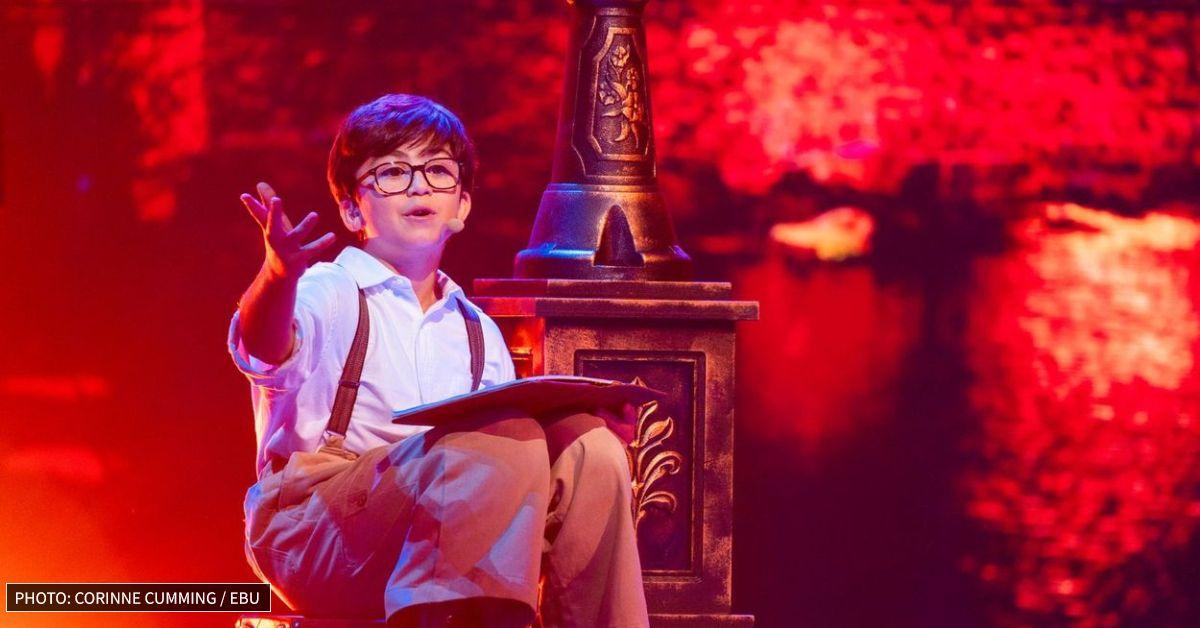
Junior Eurovision is a competition that began in 2003 in Denmark, with its inaugural edition featuring 16 countries. It operated much like a children’s talent contest where the young performers were the core focus, without the surrounding grandiosity that exists in the event today. The competition grew smaller over the years, stabilizing at around 15 participating countries per year during the second decade of the 2000s.
The major shift in Junior Eurovision began in 2018 with a large wave of joining countries, reaching a record high of 20 participants, including nations that do not participate in the main contest, such as Wales and Kazakhstan. The EBU attempted to make the event grander, staging the competition on a scale unsuited for children, using massive stages and broad media coverage.
The peak of this shift came this year, as the EBU hosted the competition last night from 21:00 CET to 23:00 CET – prime-time adult viewing hours in Europe, and hours during which a child, especially between the ages of 9 and 14 for whom the contest is intended, would normally be sound asleep.

Email: [email protected]
Phone: +972-50-9441919
A Eurovision Editor, Writer, and Content Creator with deep expertise in the modern era of the Eurovision Song Contest.
He has been following the contest closely since 2019 and watching every national final since 2020. Following Eurovision 2025, Adiel decided to make Eurovision a major part of his life and joined the Euromix team. Since then, he has been serving as a full-time writer and editor for the site. He will be traveling with the rest of the team to Eurovision 2027 to cover the event on-site with professional and engaging updates.
Adiel’s extensive knowledge and familiarity with Eurovision shine through in every article, ensuring content that is both expert and up to date. An avid follower of song reveals and national selection shows, his love for the contest also sparked a passion for discovering new languages and cultures. In his writing, he puts a strong emphasis on insightful commentary and diverse perspectives.