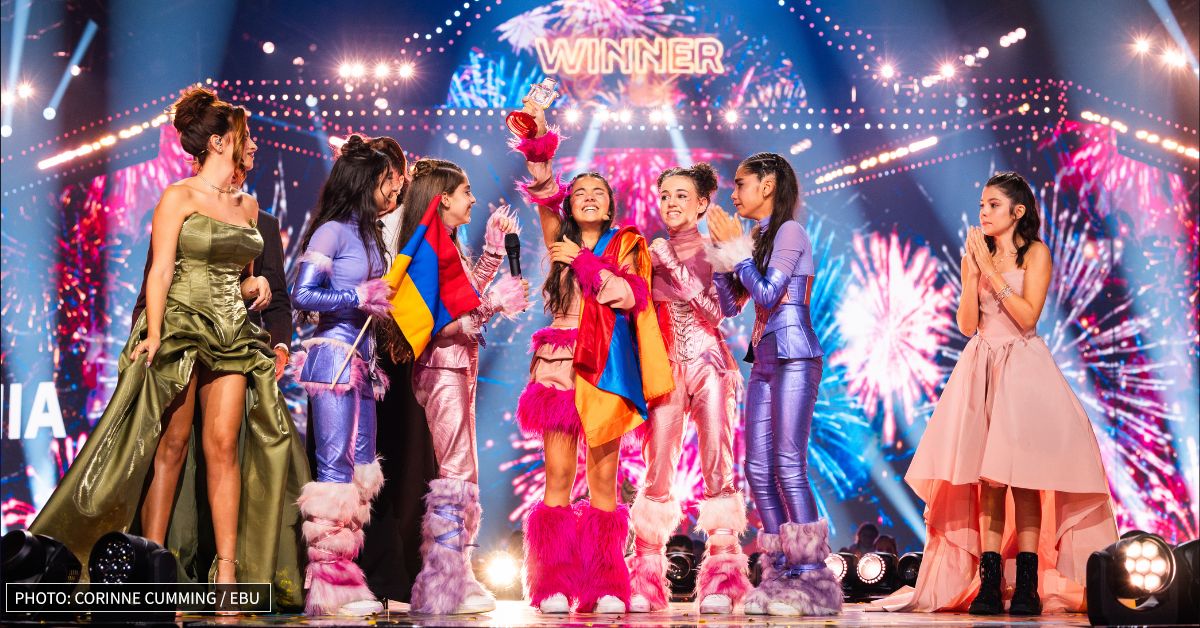
The Junior Eurovision Song Contest 2026 drew 11 million television viewers, digital channels saw record-breaking engagement as younger fans flocked to online voting, streaming highlights, and social media content.
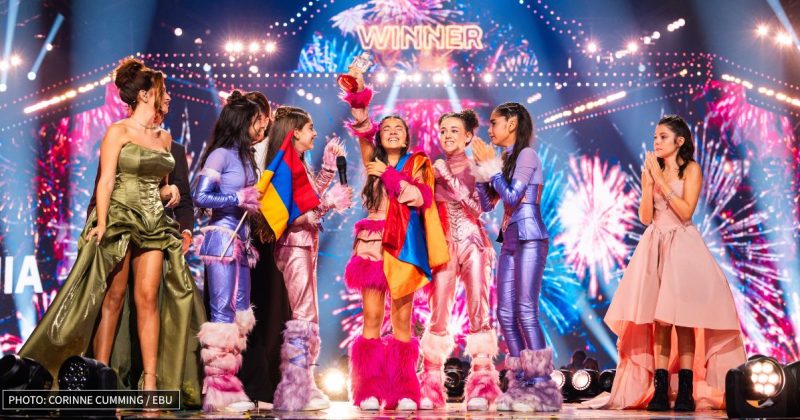
The 24th edition of the Junior eurovision song contest 2026 took place on Saturday, 24 October, in Malta .The show featured 16 participating countries and ended with Armenia’s third victory in the competition. Nare, won with her song “BOO!” being only 13 years old.
The Junior Eurovision Song Contest 2026 has recorded impressive viewing figures, with 11 million viewers tuning in across 11 measured television markets. According to figures released by the European Broadcasting Union, the competition also experienced significant growth online, reaching 231.1 million views across its official digital platforms.




Poland and Spain attract the biggest audiences
Poland recorded the highest average television audience, with approximately 1.5 million viewers, followed by Spain with 1.2 million. France ranked third, attracting around 253,000 viewers.
The figures also highlight the competition’s popularity among younger viewers. Junior Eurovision achieved a 12.5% viewing share among children aged 4 to 14, more than twice the average of the channels broadcasting the show, which stood at 5.6%.
The contest also performed above average among viewers aged 15 to 24, reaching a 6% viewing share compared to the usual 4%.
YouTube Kids sets a new record
The competition’s digital performance was particularly impressive on YouTube Kids, where the live broadcast reached more than 134,000 concurrent viewers at its peak. This represents a 32% increase compared to the 2025 edition in Tbilisi.
The platform also attracted a younger audience this year. The share of viewers aged 13 to 17 almost doubled, increasing from 7.7% in 2025 to 14.6%. Among viewers aged 18 to 24, the figure rose from 20.2% to 23.9%.
Poland accounted for the largest share of international YouTube Kids viewers, with 18%, followed by Armenia with 15.1%. Ukraine, Spain and Germany completed the top five, with 9.7%, 7.7% and 4.5% respectively.
Average viewing time also increased, reaching 23 minutes and 41 seconds, compared to 21 minutes and 21 seconds in the previous year.
Online views increase by more than 150%
Beyond the live show, Junior Eurovision content also experienced a major increase in online popularity. YouTube Kids views grew by 159.3% year-on-year, while views on YouTube Shorts increased by an impressive 417%.
Music videos and performances recorded a 19.4% increase, while livestream content, including Junior Non-Stop Hits, saw its views rise by 103.4%. The competition’s official YouTube channel also reached 1.25 million subscribers, marking an 18.5% increase.
The live broadcast was also available on Twitch, where it attracted 355,431 unique viewers, 6.6% more than in 2025. The United States, Poland, Germany, France and Brazil were the five leading viewing locations.
231 million views across digital platforms
According to the EBU, the competition generated a total of 231.1 million views across its official digital channels, including YouTube Kids, TikTok, Facebook, Instagram and Twitch. This marks a 9% increase compared to the previous edition.
The latest figures demonstrate the continued growth of Junior Eurovision, particularly across digital platforms, where the competition is attracting more viewers and reaching younger generations around the world.
Beyond the impressive viewing figures, Junior Eurovision continues to fulfil its purpose of bringing young people together through the universal language of music. The competition gives children and teenagers from different countries, cultures and backgrounds the opportunity to share their talents, express themselves and connect with others who share the same passion. Through the live performances and millions of online views, young audiences can discover different cultures, support their favorite artists and feel part of an international community. The 2026 figures are another reminder that music has no borders and that, even from different corners of the world, a new generation can come together, celebrate their differences and share one common passion. Once again, Junior Eurovision proves that we are all United By Music.