Thousands of Dutch fans are fighting back against the Eurovision 2027 withdrawal, launching a petition after staff protests forced a boycott over Israel.
The decision of the Dutch Broadcasting Corporation to cancel its participation in Eurovision after its approval surprised many in the country, but it was only the beginning of the behind-the-scenes struggle. While the higher-ups were already rushing to close the story and sign off on their absence from the competition, a countermovement began to simmer beneath the surface that refused to accept the corporation’s decision.
Now, accusations of improper considerations are starting to surface, and it turns out that the last word in this affair has not really been said yet, and the drama is only just the beginning.




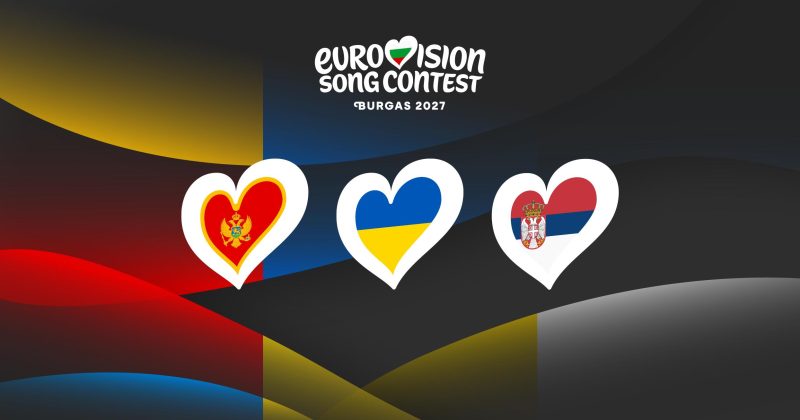

Dutch citizens fight boycott of Israel
Dutch public broadcaster, NPO, which ultimately announced that the country would not participate in Eurovision 2027. Now, just a week after the announcement of the withdrawal, Dutch citizens have decided to take matters into their own hands and launch a public campaign to secure the country’s presence on stage in Burgas, Bulgaria.
The initiative is backed by an online petition that was launched in recent days, sharply attacking the circumstances that led to the decision. According to the campaign organizers, a group of activist employees within the public broadcaster led a protest under the hashtag #notmyEurovision demanding a boycott of the competition. The initiators claim that this protest, directed against Israel’s participation, constitutes a push for a private political
The main requirements for the return of the Netherlands to Eurovision 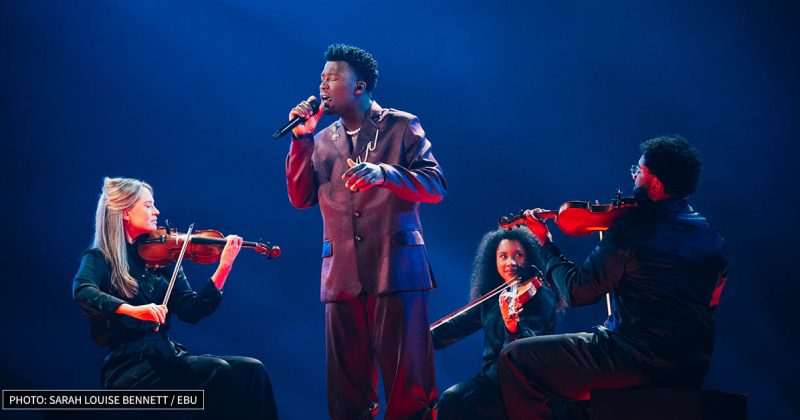
As part of the petition, the citizens pose four main demands to the NPO’s management:
- To reiterate and honor the NPO’s mission to provide a complete and diverse media offering.
- Do not allow a small group of activist workers to dictate which events the state will participate in.
- Reconfirm and continue the Netherlands’ participation in Eurovision.
- Address the conduct of the employees involved and refuse to give in to their political agenda.
This civil move is now causing a major stir, and the big question that remains open is whether public pressure will succeed in leading to another turn in the plot, and thus, return the Dutch public to the map of European competition.
The whole truth about retirement
For months, the Dutch Public Broadcasting organization tried to find a solution to the contest participation saga. Following the announcement by AVROTROS – the television network responsible for sending the country’s representative until the 2026 boycott stating that it would not participate in 2027 either and was handing the reins back to the Dutch Public Broadcasting organization, the NPO worked to send a Dutch delegation.
During the Dutch current affairs program “Nieuwsuur”. Two Dutch public broadcasters were willing to take part in finding a representative for Eurovision: EO and WNL. The NPO also explored the option of having multiple broadcasting networks collaborate on the search for the Dutch representative for Eurovision 2027. EO looked for a solution where they could contribute to the selection process without taking full responsibility for the country’s Eurovision participation, while WNL also wanted to be involved in the project but ultimately chose to opt out due to a lack of broader support. The difficulty in finding a broadcasting body to manage the search for a representative and assemble the Dutch delegation, combined with a lack of support from labor unions within the broadcasting networks as well as the general public, were central reasons behind the sad decision for the Netherlands to withdraw from the competition.
The NPO’s Media Director, Jurre Bosman, stated in a local interview that the various possibilities were debated until the final evening before the decision to withdraw from the competition was made. Bosman also responded to accusations against NPO of “administrative clumsiness” and said the decision to announce a return to the competition was not naive and came after serious discussions with several television networks at the time.
C'est La Vie
 Netherlands
Claude represented Netherlands at Eurovision 2025 with “C'est La Vie”. The entry finished 12th in the grand final with 175 points.
Netherlands competed at Eurovision 65 times between 1956 and 2025. The country has won five times, most recently in 2019 with Duncan Laurence’s “Arcade”. In 2025, Claude represented Netherlands with “C'est La Vie”, finishing 12th in the grand final with 175 points.