
Czech Television and Czech Radio workers strike over funding reforms, weeks after ČT withdrew from Eurovision 2027 over budget concerns.
Public television and radio employees in the Czech Republic have launched a 24-hour strike in protest against a government plan to reform public broadcasting funding, approximately one month after the country announced its withdrawal from Eurovision 2027 due to financial difficulties.
Over the past few hours, employees of Czech Television and Czech Radio have gone on strike against a government proposal to change the country’s public broadcasting funding system. Under the plan, the government intends to replace license fees paid by citizens with direct funding from the state budget – a move that employees warn could undermine the independence of public broadcasting.






The strike has disrupted television and radio broadcasts, while demonstrations were scheduled to take place in the afternoon with the support of artists and students.
Under the proposed legislation, which has passed an initial parliamentary vote, the government plans to abolish the monthly broadcasting license fee paid by households, currently set at 205 Czech korunas (approximately €8.20), and transfer public broadcasting funding directly to the state budget. The reform also includes a 15% budget cut, which would bring public broadcasting budgets back to levels last seen approximately two decades ago.
“If approved, this proposal would give the governing coalition tools to politically influence the content of both public broadcasters,”
said Jan Moláček, a Czech Television journalist and member of the strike committee. Opposition parties have also joined public broadcasting employees in their criticism. The opposition has compared the proposed measures to reforms introduced by Viktor Orbán in Hungary, which increased the government’s influence over the media.
Meanwhile, the government led by Andrej Babiš, whose coalition is dominated by far-right parties, argues that the reform is intended to ease the financial burden on citizens. “This is not a fight over democracy. Nobody wants to take over public media or bring it under state control,” Babiš said, adding that changes could still be made to the proposed legislation during subsequent parliamentary discussions.
Moláček, also a member of the strike committee, stressed that changing the funding system is not inherently unacceptable. However, he argued that such a reform must be based on thorough discussion and accompanied by legal safeguards preventing external interference.
Czech Republic’s Budget Crisis and Its Eurovision Consequences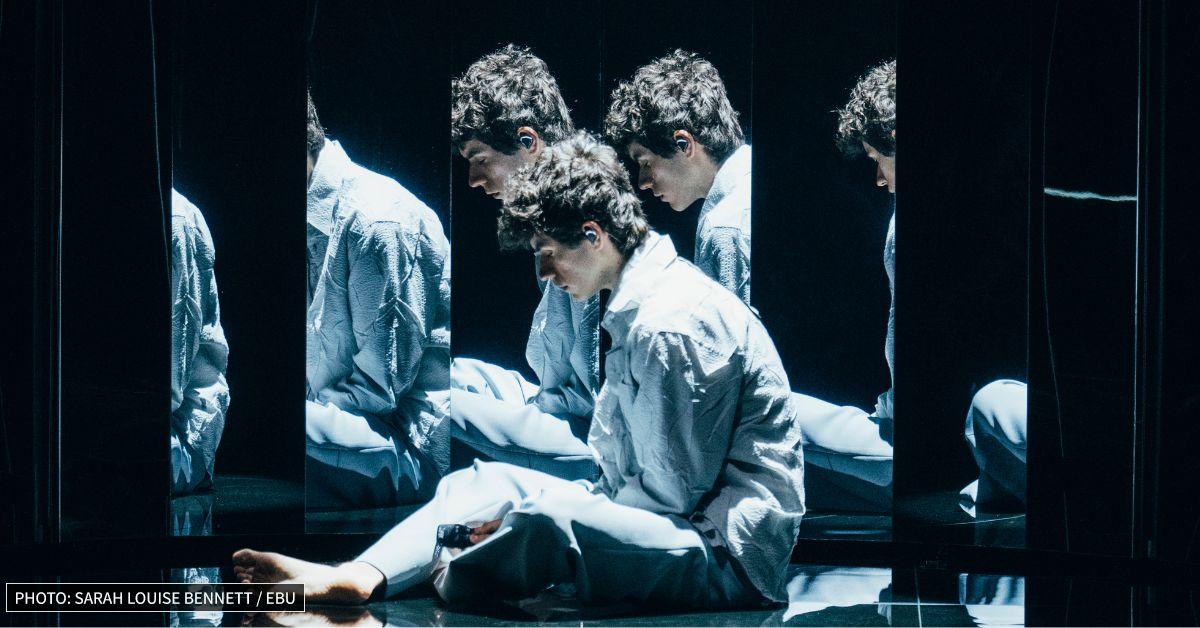
The funding crisis has already had international consequences. Czech Television announced that the Czech Republic would withdraw from Eurovision 2027. The broadcaster’s management warned that the planned changes could result in the loss of tens of millions of euros in revenue and hundreds of job cuts, making continued participation in the competition financially unfeasible.
On September 30th, ČT officially announced that the country would not participate in the upcoming Eurovision Song Contest, citing financial difficulties and concerns over further budget cuts. The network’s Deputy Director, Milan Fridrich, warned that the proposed changes could lead to annual revenue losses of between €40 million and €60 million and hundreds of redundancies.
The European Broadcasting Union expressed regret over the Czech Republic’s withdrawal and emphasized the importance of maintaining independent public service media with stable financial foundations.
For now, Eurovision fans can only share that hope and wish for the financial pressures facing Czechia’s public broadcaster to ease, allowing the country to return to the contest – perhaps as early as 2028.
Latest entry · 2026
CROSSROADS
 Czechia
The 2027 artist and song are not available in this card yet. Showing the 2026 entry.
Daniel Zizka represented Czechia at Eurovision 2026 with “CROSSROADS”. The entry finished 16th in the grand final with 113 points.
Czechia competed at Eurovision 14 times between 2007 and 2026. Its best grand-final result was 6th place in 2018, when Mikolas Josef performed “Lie To Me”. In 2026, Daniel Zizka represented Czechia with “CROSSROADS”, finishing 16th in the grand final with 113 points.




Email: [email protected]
Phone: +972-53-9514754
A writer and content creator with a strong specialization in the Eurovision scene, particularly across Eastern Europe and post-Soviet countries. His work highlights the artistry, storytelling, and cultural variety that define the contest, offering readers a deeper look into both established performers and emerging voices.
As a skilled translator and polyglot, he brings a unique linguistic and cultural understanding to his analysis and coverage..