
Eurovision Director Martin Green has revealed that the Philippines will receive an invitation to host the next edition, unlike the European contest, winning does not automatically mean hosting the following year.
The 1st edition of Eurovision Song Contest Asia, held in Bangkok, Thailand, and the victory of Carmelle representing the Philippines, the country could become the host of the next competition, currently planned for 2027.
The announcement was made by Martin Green, Director of the Eurovision Song Contest, during a press conference following the final. Green revealed that the production team intends to formally invite the Philippine broadcaster to host the next edition.





Why Has the Philippines Not Yet Secured Hosting Rights?
However, receiving an invitation does not necessarily mean that the Philippines will host the competition. Unlike the familiar tradition of the European Eurovision Song Contest, winning Eurovision Asia does not automatically grant a country the right to host the following year’s event.
During the competition’s early years, the organizers have decided to adopt a more flexible approach, allowing different countries and broadcasters to express their interest in hosting. Green addressed the differences between the two continents and explained the reasoning behind the decision:
“We have liberated Asia from the ‘you win, you host’ rule. It’s a wonderful thing, and I love it in Europe. I would never want to see it disappear there, but this is a different landscape.”
After revealing that he had heard rumors of other countries interested in hosting the competition next year, Green compared the new model to the Junior Eurovision Song Contest. “For those who know the Eurovision world, it’s more similar to Junior Eurovision. I have no doubt that, as a matter of courtesy, we will offer the winner the opportunity to host the competition if they wish. However, if they don’t, we will enter discussions with other countries, and I don’t think we will be short of potential hosts.”
Martin Green Optimistic About Eurovision Asia’s Future
Looking ahead, Green expressed optimism about the future of the Eurovision brand in Asia. He expects that, within a few years, countries across the continent will begin to recognize the significant benefits of hosting an event of this scale, similar to what is already seen in Europe.
According to Green, as the competition grows, broadcasters will better understand the economic, tourism and media benefits associated with hosting Eurovision. “In a few years, we will be in the same position as Europe, where we can demonstrate the economic value and benefits of hosting Eurovision. I think other cities and countries in the region are already beginning to see what is happening here.” Although the host country for Eurovision Asia 2027 has not yet been selected, the competition’s first winner, Carmelle, has already secured a major prize. The singer is expected to travel to Europe next May and perform as a special guest on the Eurovision 2027 stage in Burgas, Bulgaria.
A Historic Victory in Bangkok: 211 Points and Success With Both Juries and the Public
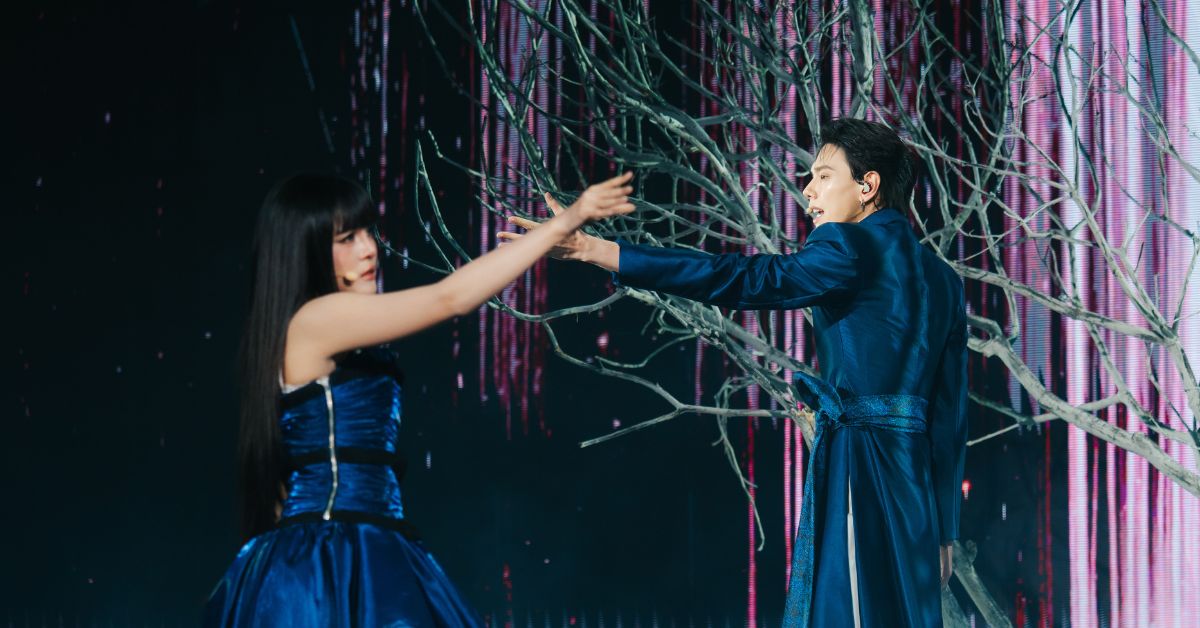
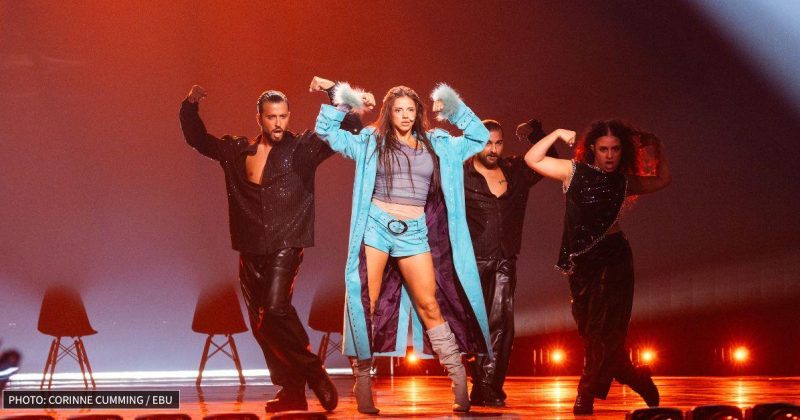
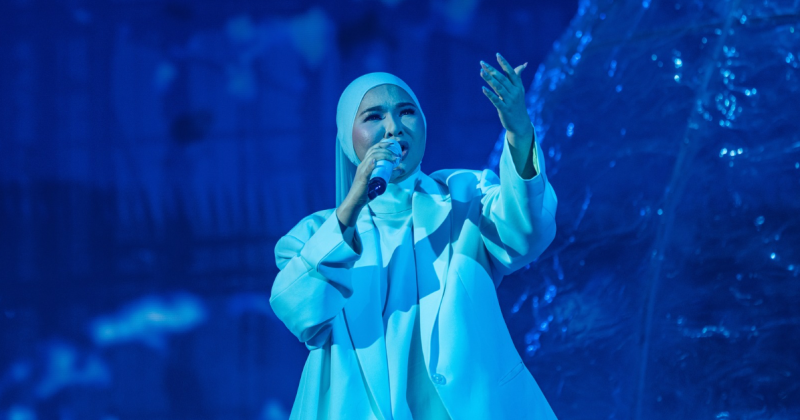
The grand final of Eurovision Song Contest Asia took place at the One Bangkok Forum in the Thai capital. The show was hosted by Thai television personalities Woody Milintachinda and Cindy Bishop and brought together artists from 11 countries: Bangladesh, Bhutan, Cambodia, Laos, Malaysia, Mongolia, Nepal, the Philippines, South Korea, Thailand and Vietnam.
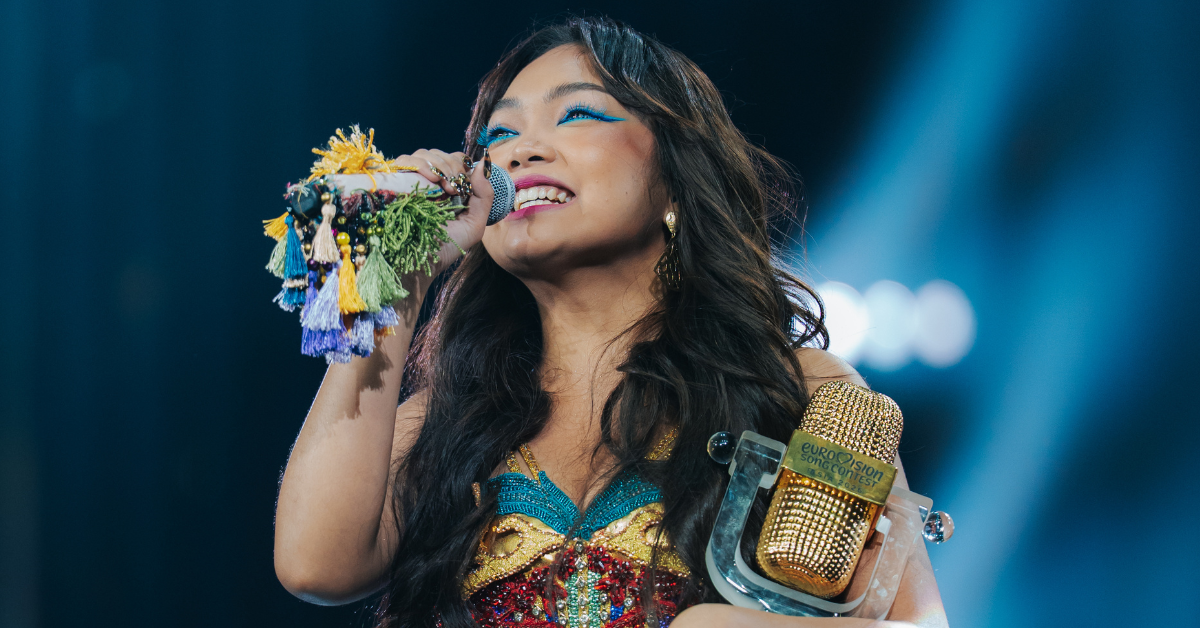
Carmelle, representing the Philippines with her song “Sobra-Sobra” (In English: “Too Much”), secured a convincing victory with a total of 211 points. She finished first in both the professional jury vote, receiving 93 points, and the worldwide public vote, earning 118 points.
Host country Thailand finished in second place, represented by the duo Mang x Daou with their song “Aroma“, which received 170 points. Vietnam took third place with singer Tóc Tiên and her song “Em Tiên“, (In English: “Fairy Maiden”) earning 164 points. Malaysia and Laos completed the top five. The results were determined through a 50/50 voting system, with half of the points coming from the professional juries of the 11 participating countries and the other half from the public vote. The latter also included a Rest of the World vote, with votes submitted from an impressive 183 countries and territories worldwide.
Martin Green, Director of the Eurovision Song Contest on behalf of the European Broadcasting Union (EBU), congratulated the winner’s
“Congratulations to Carmelle and the Philippines on becoming the very first Eurovision Asia winners. What a historic achievement! As we celebrate 70 years of the Eurovision Song Contest, seeing the spirit of unity through music come to life in Asia is a significant moment.”
Israeli producer of the competition, Assaf Belcher, also shared his thoughts:
“Bringing the first Eurovision Asia to life in Bangkok has been an extraordinary journey. Tonight, we saw 11 countries come together to celebrate the incredible diversity of music and talent across the region. This is only the beginning of an exciting new chapter for Eurovision in Asia.”
All You Need to Know About Eurovision Asia
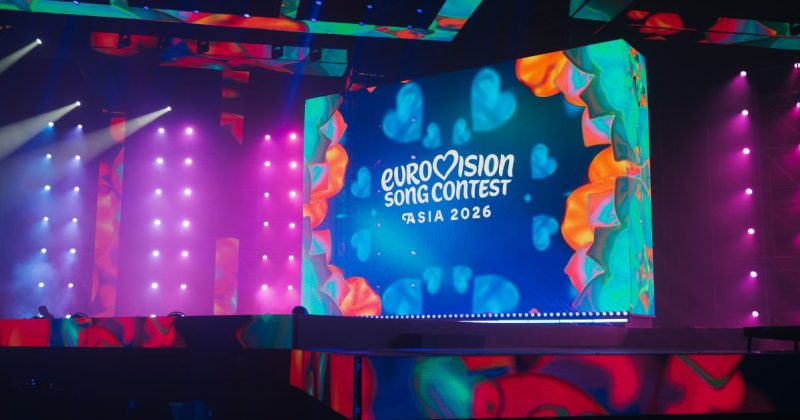
The Eurovision brand continues its global expansion with Eurovision Song Contest Asia, launched in collaboration with the European Broadcasting Union (EBU) to mark the 70th anniversary of the original contest. Following the American Song Contest in 2022, which was not renewed for a second season, this new chapter aims to bring the beloved Eurovision format to a new continent and reach a massive potential audience of over 600 million viewers. Unlike the American adaptation that focused on a single nation, this is a large-scale, multi-national competition. The inaugural Grand Final will take place on November 14, 2026, at the One Bangkok Forum arena in Thailand, preceded by a Preview Show on November 13. Hosted by media figures Woody Milintachinda and Cindy Bishop, this historic edition will feature 11 countries: Thailand, South Korea, Vietnam, Philippines, Bangladesh, Mongolia, Nepal, Laos, Bhutan, Malaysia, and Cambodia.
Unlike the European format, the contest in Asia operates under a centralized production model. It is produced by the international production company Voxovation in partnership with the leading Asian production company S2O. This structure subsidizes the selection process in various countries, allowing nations with limited budgets to participate. Additionally, the winning country will not automatically host the contest the following year but will instead be invited to perform as a guest artist at the traditional Eurovision. The voting system has also been adapted for the continent, based entirely on a unified, free digital platform that combines televoting with professional juries, giving unprecedented decisive power to the international audience through the “Rest of the World” voting. Furthermore, ZOOP will serve as the exclusive social partner of the event, enabling fans to take an active role in the digital experience.