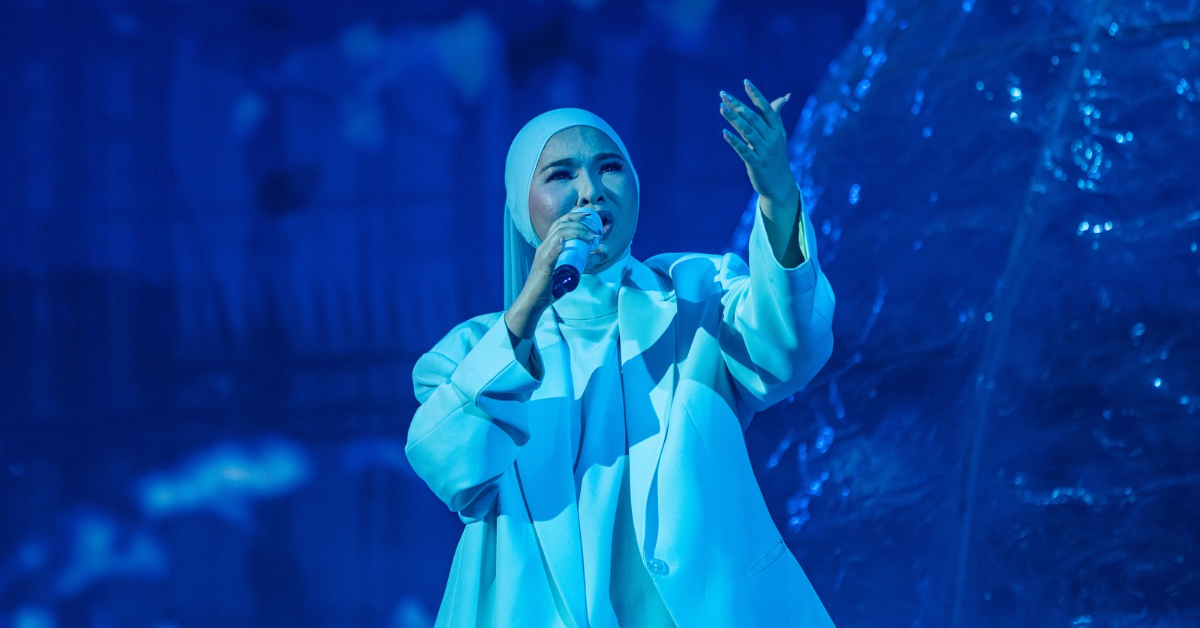
The EBU breaks its silence on Malaysia’s altered broadcast, expressing disappointment as new footage reveals additional suspected LGBTQ+ censorship.
The EBU has officially responded to the censorship controversy surrounding Eurovision Asia 2026, after Malaysian broadcaster TV3 reportedly removed footage featuring LGBTQ+ personalities from its broadcast. The organisation expressed disappointment over the incidentthe incident and confirmed that it would seek clarification from the contest’s producers. Meanwhile, new footage suggests that the Philippines’ spokesperson was not the only LGBTQ+ personality removed from the Malaysian broadcast.

EBU Responds to the Controversy
Following the reports of censorship during the inaugural Eurovision Asia, the EBU has issued its first official response to the incident.
Martin Green, Director of the Eurovision Song Contest, expressed the organisation’s disappointment over the alterations made to the Malaysian broadcast.
“We are surprised and disappointed to learn that the broadcast of Eurovision Song Contest Asia was altered in Malaysia.”
Green confirmed that the EBU intends to contact Voxovation, the production company responsible for Eurovision Asia, requesting clarification regarding the circumstances surrounding the incident.
“We take this matter seriously and will be writing to Voxovation, the producers of the show, to seek clarification and ask them to establish with Malaysian broadcaster TV3 why this happened.”
The Eurovision director also stressed that the incident appears to have been limited to Malaysia, with broadcasts in other participating countries remaining unaffected.
Voxovation has responded to the controversy, confirming that it is investigating the matter alongside the Malaysian broadcaster. The company stated that it is working with TV3 to prevent similar incidents from occurring in the future. However, neither the EBU nor Voxovation has clarified whether TV3 violated its broadcasting agreement or whether the Malaysian broadcaster could face consequences for altering the broadcast.
What Happened During the Malaysian Broadcast?
The controversy began when Malaysian broadcaster TV3 reportedly censored the Philippines’ drag queen spokesperson, Vice Ganda, during the live jury voting sequence. Vice Ganda, a well-known Filipino television personality and drag performer, was selected to announce the Philippines’ jury points during the Grand Final in Bangkok. However, viewers watching the Malaysian broadcast appear to have been unable to see the spokesperson during the presentation of the country’s votes.
The Philippines awarded its maximum 12 points to Malaysia’s representative, Aina Abdul. While the international broadcast showed Vice Ganda announcing the points, Malaysian viewers were reportedly shown only the scoreboard. However, new footage suggests that this was not the only alteration made to the Malaysian broadcast.
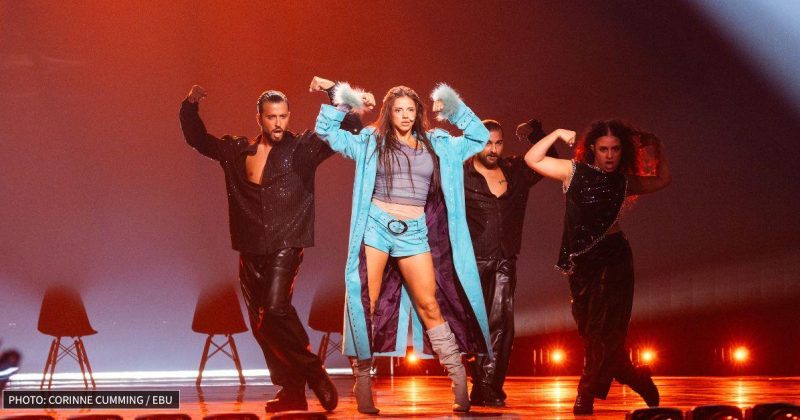
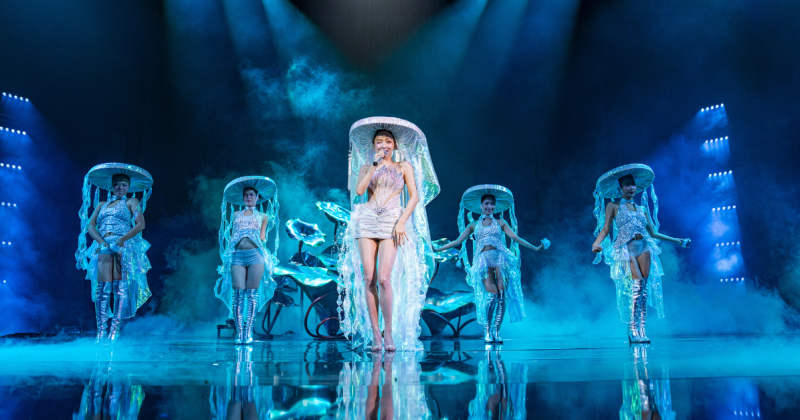
During the competition’s opening number, which celebrated Thai culture, several drag performers appeared on stage standing on street food carts. Footage circulating online suggests that TV3 replaced these scenes with a wide camera shot taken from rehearsals, preventing Malaysian viewers from seeing the performers.
The two incidents have raised further questions about LGBTQ+ representation in Eurovision Asia and whether the competition’s message of diversity and inclusion is being reflected by all broadcasters airing the show. As of now, TV3 has not provided an official explanation for the alterations, and it has not been confirmed that the changes were motivated by anti-LGBTQ+ censorship.
What Happens Next?
Eurovision Asia was created to bring together different countries, cultures and identities through music. However, the decision to hide LGBTQ+ personalities from Malaysian viewers raises an uncomfortable question: are all participating countries equally willing to embrace the diversity that comes with the competition?
The controversy presents an early challenge for Eurovision Asia, particularly as the competition expands the Eurovision brand into countries with different cultural attitudes and broadcasting regulations. Ahead of the Grand Final, the EBU emphasised that its commitment to the competition’s fundamental values was non-negotiable. The alterations to the Malaysian broadcast have now placed that commitment under scrutiny.
For now, the EBU has requested clarification, while Voxovation continues to examine the incident with TV3. Whether the investigation will lead to further action remains unclear.
Malaysia isn’t being the first to do it
China’s censorship of Eurovision content dates back to 2018, when broadcaster Mango TV edited out rainbow flags and other LGBT-related imagery during its broadcast of the competition. The broadcaster also removed footage featuring performers and audience members displaying rainbow symbols, which are widely associated with the LGBT community. Following the incident, the European Broadcasting Union (EBU) terminated its broadcasting partnership with Mango TV, stating that the censorship was not in line with the values of the Eurovision Song Contest. The decision highlighted the EBU’s commitment to diversity and inclusion, while also showing the challenges Eurovision faces when its broadcasts reach countries with different attitudes towards LGBT representation.
Malaysia in Eurovision Asia 2026
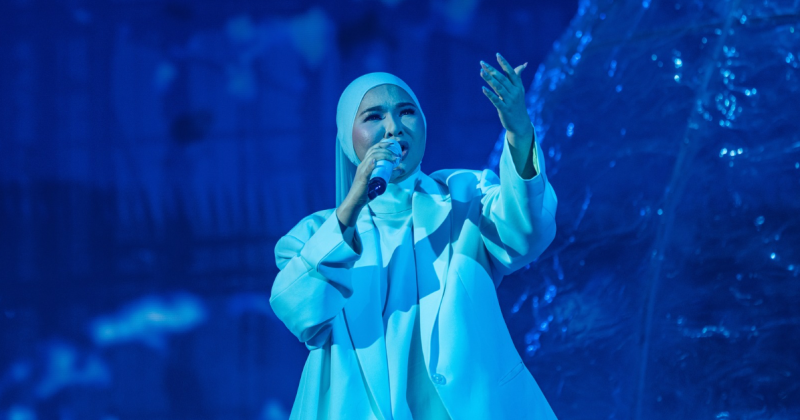
Malaysia was represented at Eurovision Asia 2026 by Aina Abdul, who was internally selected by broadcaster TV3 to perform her ballad “Bluest Sky”, combining English and Malay lyrics. Despite being one of the favourites to win, she finished in fourth place out of 11 countries, receiving 152 points in total: 82 from the juries and 70 from the public vote.
All You Need to Know About Eurovision Asia
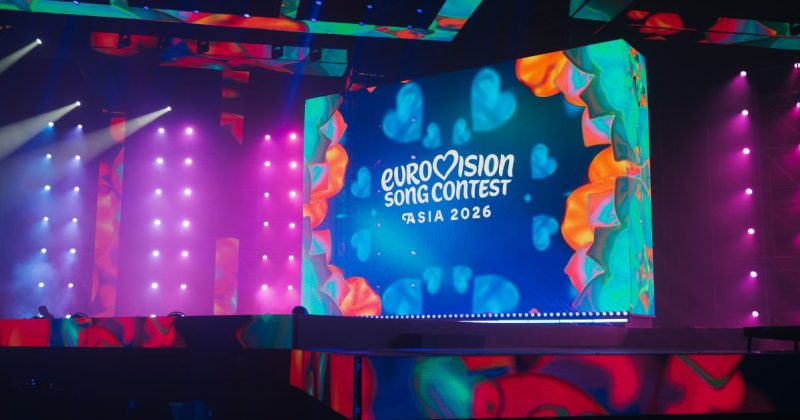
The Eurovision brand continues its global expansion with Eurovision Song Contest Asia, launched in collaboration with the European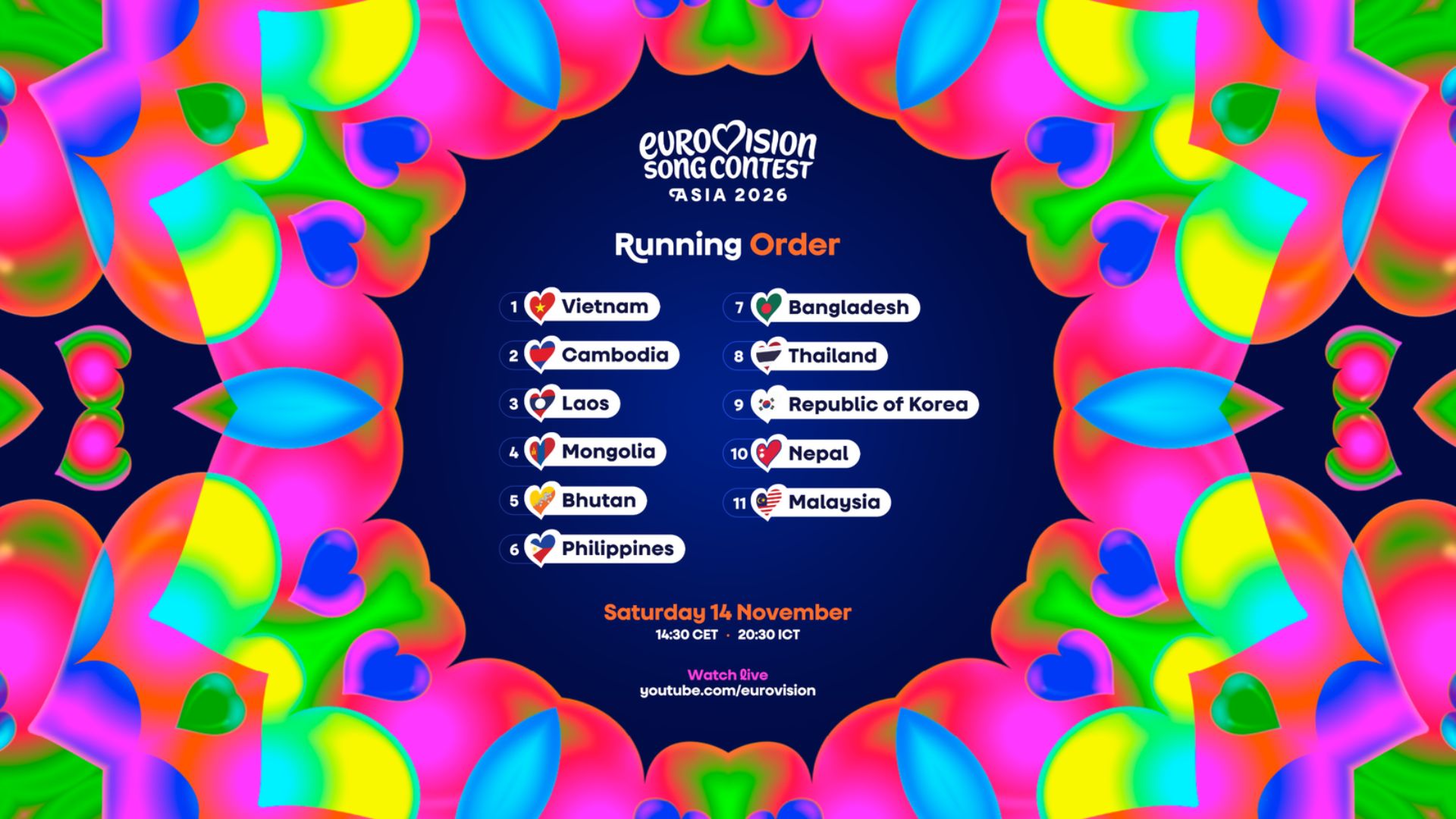 Broadcasting Union (EBU) to mark the 70th anniversary of the original contest. Following the American Song Contest in 2022, which was not renewed for a second season, this new chapter aims to bring the beloved Eurovision format to a new continent and reach a massive potential audience of over 600 million viewers. Unlike the American adaptation that focused on a single nation, this is a large-scale, multi-national competition. The inaugural Grand Final will take place on November 14, 2026, at the One Bangkok Forum arena in Thailand, preceded by a Preview Show on November 13. Hosted by media figures Woody Milintachinda and Cindy Bishop, this historic edition will feature 11 countries: Thailand, South Korea, Vietnam, Philippines, Bangladesh, Mongolia, Nepal, Laos, Bhutan, Malaysia, and Cambodia.
Unlike the European format, the contest in Asia operates under a centralized production model. It is produced by the international production company Voxovation in partnership with the leading Asian production company S2O. This structure subsidizes the selection process in various countries, allowing nations with limited budgets to participate. Additionally, the winning country will not automatically host the contest the following year but will instead be invited to perform as a guest artist at the traditional Eurovision. The voting system has also been adapted for the continent, based entirely on a unified, free digital platform that combines televoting with professional juries, giving unprecedented decisive power to the international audience through the “Rest of the World” voting. Furthermore, ZOOP will serve as the exclusive social partner of the event, enabling fans to take an active role in the digital experience.

Email: [email protected]
Phone: +972-50-9441919
Writer and content creator specializing in the Eurovision field. Her writing emphasizes professional analysis and a wide range of opinions.