Eurovision 2026: The European Broadcasting Union’s first official statement following the annual assembly confirms new contest regulations, growing concerns about political influence, and an expected lineup of 35 participating countries. Article by Liron Gani.
The 95th General Assembly of the European Broadcasting Union (EBU) in Geneva concluded with a pivotal decision: members approved the newly revised Eurovision Song Contest regulations—but no vote was held regarding Israel’s participation in Eurovision 2026. According to the summary, an overwhelming majority agreed that the current regulatory changes were sufficient and that no further vote on participation was required.
In the official statement released by t he EBU, it was emphasized that members supported a range of adjustments to the competition’s rules aimed at “strengthening trust, transparency, and neutrality within the event.” The EBU added that any national broadcaster willing to adhere to the new regulations would remain eligible to participate in Eurovision 2026.




Confidence and Neutrality Strengthened Through New Rules:
The statement continued: “Participants representing the EBU’s national broadcasters were asked to vote by secret ballot on whether they were sufficiently satisfied with the measures and guarantees announced last month without holding a separate vote on next year’s participation. A large majority of members agreed that no additional vote was necessary and that Eurovision 2026 should proceed as planned, incorporating the new safeguards.”
The union added that during the discussion, various opinions were expressed concerning Israel’s participation: “Members emphasized the importance of the independence of public broadcasting and the preservation of press freedom, especially in regions affected by conflict such as Gaza.”
Statements from EBU Leadership:
EBU President Delphine Ernotte Cuci stated:
“The results of the vote reflect our members’ shared commitment to ensuring transparency and trust in the Eurovision Song Contest the largest live music event in the world. I want to thank all members for their constructive, respectful, and insightful contributions during today’s meeting and throughout this year’s consultation process. These discussions led to significant changes in the contest’s rules, ensuring that Eurovision continues to be a place of unity and cultural exchange.”
Martin Green, Eurovision’s Executive Producer, added that the assembly’s debate was “honest and emotional.” He continued: “As reflected by the unequivocal outcome, we reached a shared understanding that Eurovision must not become a political battleground. It must maintain a degree of neutrality. It’s important to remember governments do not compete in Eurovision; public broadcasters and artists do.”
Outlook: 35 Countries Expected to Compete in Eurovision 2026:
Following the vote, several countries announced their withdrawal, including AVROTROS (Netherlands), RTVE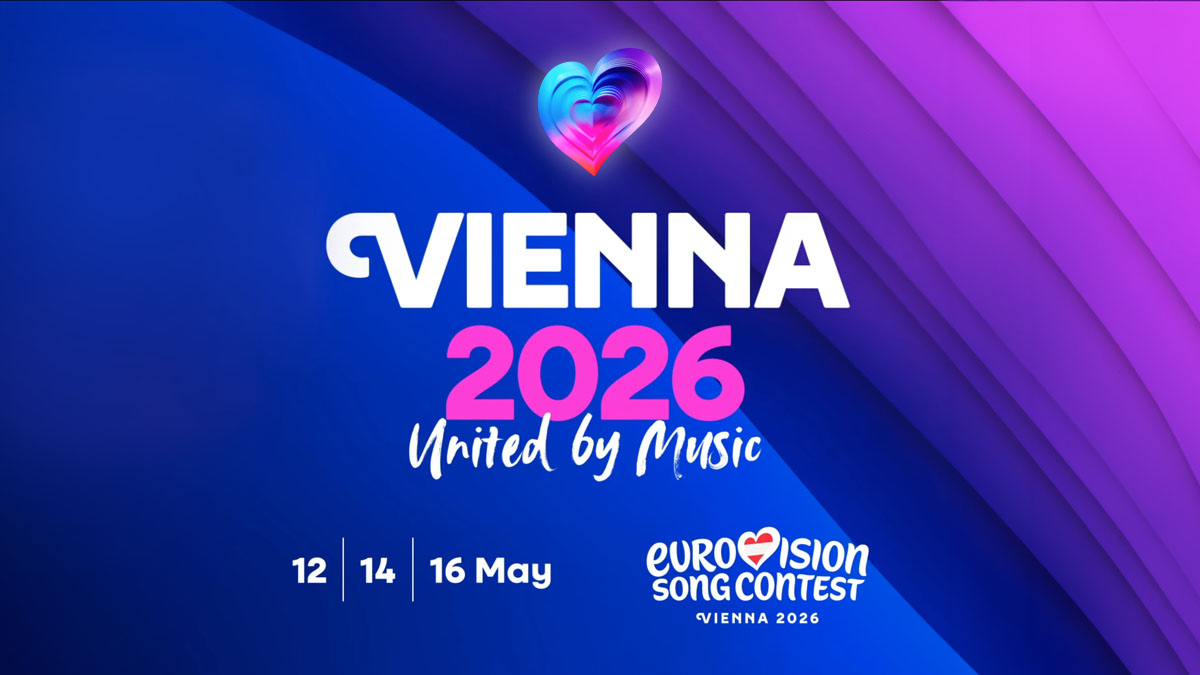 (Spain), RTÉ (Ireland), and RTVSLO (Slovenia). According to their statements, the situation in Gaza, political interference surrounding the contest, concerns over press freedom, and fears of voting manipulation contradict their fundamental values.
Green noted that while these countries’ decisions were respected, the EBU remains hopeful for their return: “Some members feel very strongly about this issue, and I completely respect that. We estimate that around five broadcasters will withdraw, leaving approximately 35 national broadcasters participating in the event marking Eurovision’s 70th anniversary a full-scale competition. I hope those few who feel unable to join us this year will return in 2027.”
His optimism stems from the belief that Eurovision’s essence is not merely political but cultural designed to unite nations, creators, and audiences through a celebration of diversity and collaboration. In recent years, 37 countries have competed in the contest.
Eurovision 2026: The 70th Eurovision Song Contest will be held in Austria, following the country’s third historic win with the song “Wasted Love” performed by JJ. This will be the third time the contest is hosted in Austria, after 1967 and 2015.
Email: [email protected]
Phone: +972-53-9514754
A writer and content creator with a strong specialization in the Eurovision scene, particularly across Eastern Europe and post-Soviet countries. His work highlights the artistry, storytelling, and cultural variety that define the contest, offering readers a deeper look into both established performers and emerging voices.
As a skilled translator and polyglot, he brings a unique linguistic and cultural understanding to his analysis and coverage..