Mystery in Vienna: What the EBU is Hiding From the First Rehearsals
The EBU grants delegations power to censor rehearsal details for Eurovision 2026, creating a “fog of war” surrounding Greece, Finland, and Sweden.
The first day of rehearsals for Eurovision 2026 opened in Vienna, Austria with a flourish, but those following official reports closely will notice something is missing. This year, it appears the EBU has acceded to unprecedented requests from numerous delegations to maintain a media “fog of war”, aiming to preserve the element of surprise for the live broadcast.
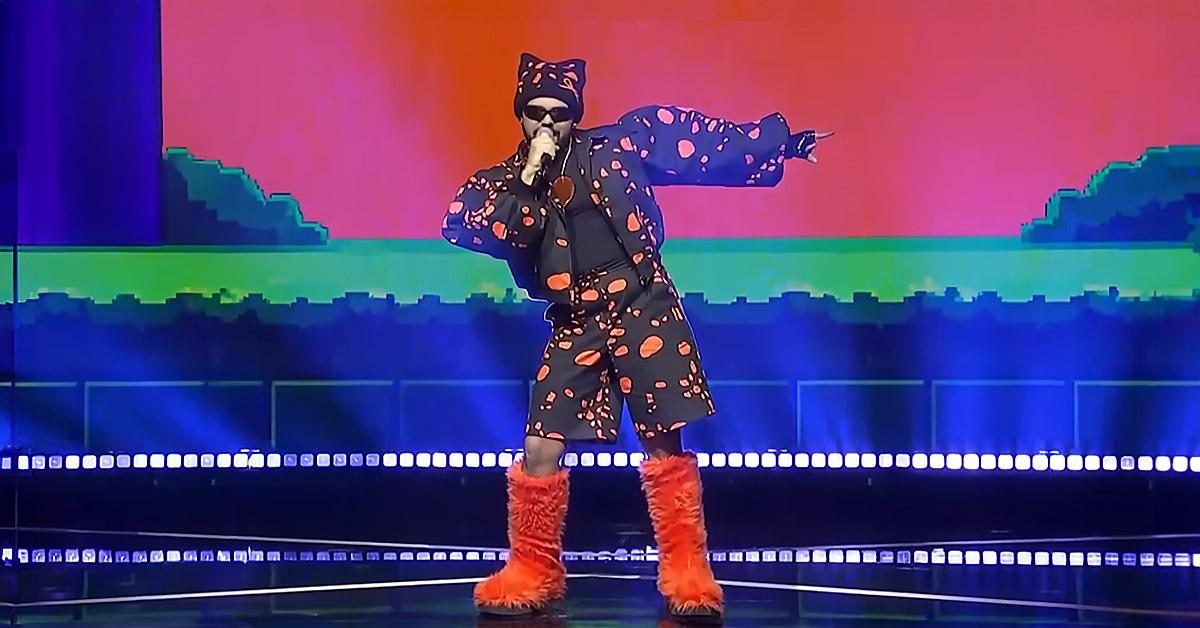
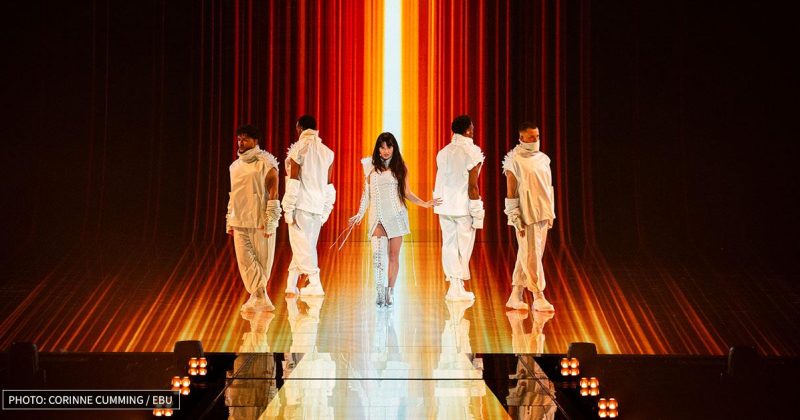
Reports regarding the rehearsal of Akylas from Greece were the most mysterious. While still images reveal the artist in an orange “cat ears” hat, the official text hints at a world of illusions and video games. However, bloggers were prohibited from describing the characters appearing alongside him on stage. “He will tell you about them only on May 12th”, the official report stated. Are these holograms? Dancers in complex costumes? The Greek delegation placed a veto on revealing this detail, making Greece one of the biggest question marks of the first semi-final.
Finland always knows how to provide a show, but this year it seems they are taking the concept of “what happens in Vienna stays in Vienna” a step further. The description of Linda Lampenius & Pete Parkkonen ends with the concerning words, “The set goes up in flames and destroys all the evidence”. What exactly happens inside the “confessional” that Pete remains enclosed in? The EBU refrained from specifying what that “evidence” being burned is, leaving us to wonder if there is a provocative staging element that the Finnish delegation prefers not to leak ahead of time.

The Swedish delegation, masters of visual precision, is also keeping its cards close to the chest. Felicia appears with a mask, and official reports confirmed that a “mask swap” will take place during the live broadcast that was not fully shown during the rehearsals open to journalists. The goal is clear: to prevent viewers from getting used to the central visual gimmick of the song before the decisive moment.
Despite the explosive energy on stage from Satoshi, the Moldovan delegation chose to keep the visuals in a fog. The artist presented a colorful background with Japanese inspiration, but official descriptions remained intentionally vague. Is this an attempt to hide anime characters or graphic elements that will only be revealed on the night of the broadcast? It seems Moldova is betting on the element of surprise.
The Audience Remains Outside
It is no coincidence that, up to this point, no rehearsal videos have been released, only verbal descriptions. The new policy of the EBU, which grants delegations significantly more power in censoring performance details, is creating a more mysterious Eurovision than ever before. Even within the verbal descriptions, it appears the European broadcasting union has chosen to censor several elements seen on stage that did not make it into the written text. We at EuroMix will continue to monitor and attempt to read between the lines – because sometimes, what they don’t want us to see is exactly the most interesting thing in the competition.
Eurovision 2026 will take place in May, continuing the long‑standing tradition.
Here are the exact dates:
- First semi‑final: Tuesday, May 12th, 2026
- Second semi‑final: Thursday, May 14th, 2026
- Grand final: Saturday, May 16th, 2026
For those asking “What time does Eurovision 2026 start?”, each live show is scheduled to begin at 21:00 CET, making it accessible to viewers right across the continent.
Eurovision 2026: the 70th edition of the contest will take place in Vienna, Austria, on May 12th, 14th, and 16th, 2026. The Wiener Stadthalle arena, which will host the event, is expected to accommodate around 16,000 spectators per show. The contest returns to Austria following the nation’s third historic win with the song “Wasted Love”, performed by JJ. It will be Austria’s third time hosting Eurovision, after previous editions held in the country in 1967 and 2015.
Email: [email protected]
Phone: +972 50-9441919
Ido Na’aman is a journalist, content creator, and commentator specializing in the Eurovision Song Contest. His extensive knowledge and in-depth familiarity with the Eurovision world are reflected in every article, ensuring reliable, professional, and up-to-date content.