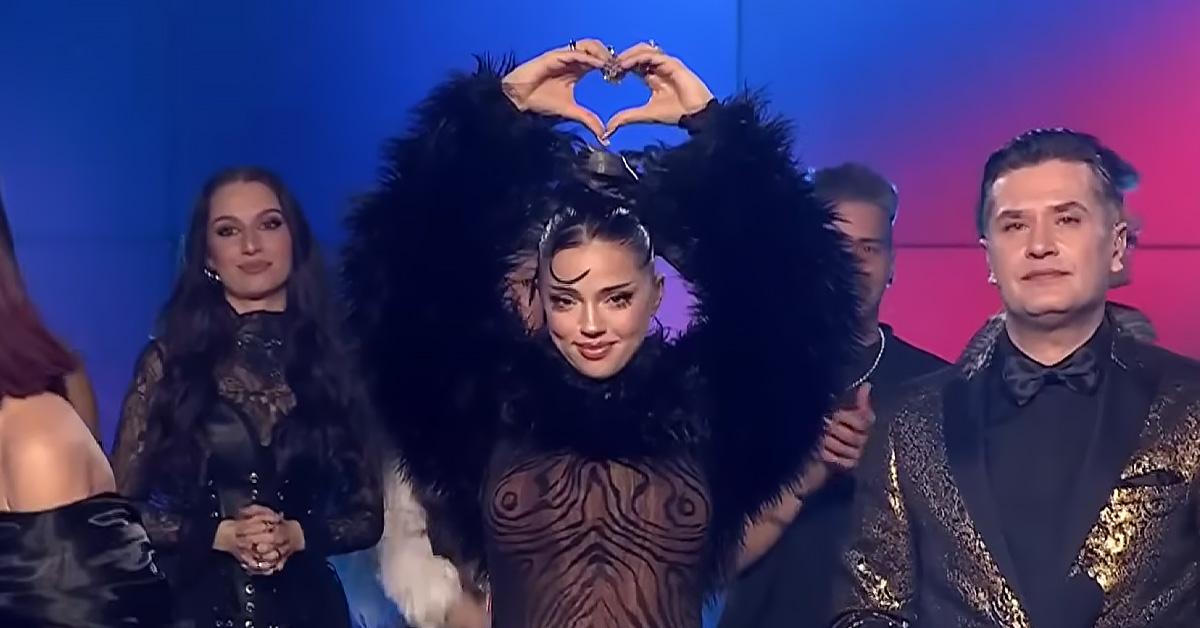
DARA, Bulgaria’s Eurovision 2026 representative, considers withdrawal after backlash and declining motivation, with a final decision expected within hours.
It was reported this morning that DARA, Bulgaria’s representative for Eurovision 2026, has announced that she may withdraw from the competition. In an interview, the singer revealed that a wave of negative reactions and a lack of trust in her abilities have significantly reduced her motivation to participate, clarifying that a final decision will be made by the end of the day. This marks a dramatic development that could reshape the Eurovision 2026 landscape, coming just days after DARA’s official selection in ״Natsionalna Selektsiya 2026״.


Crisis Immediately After Selection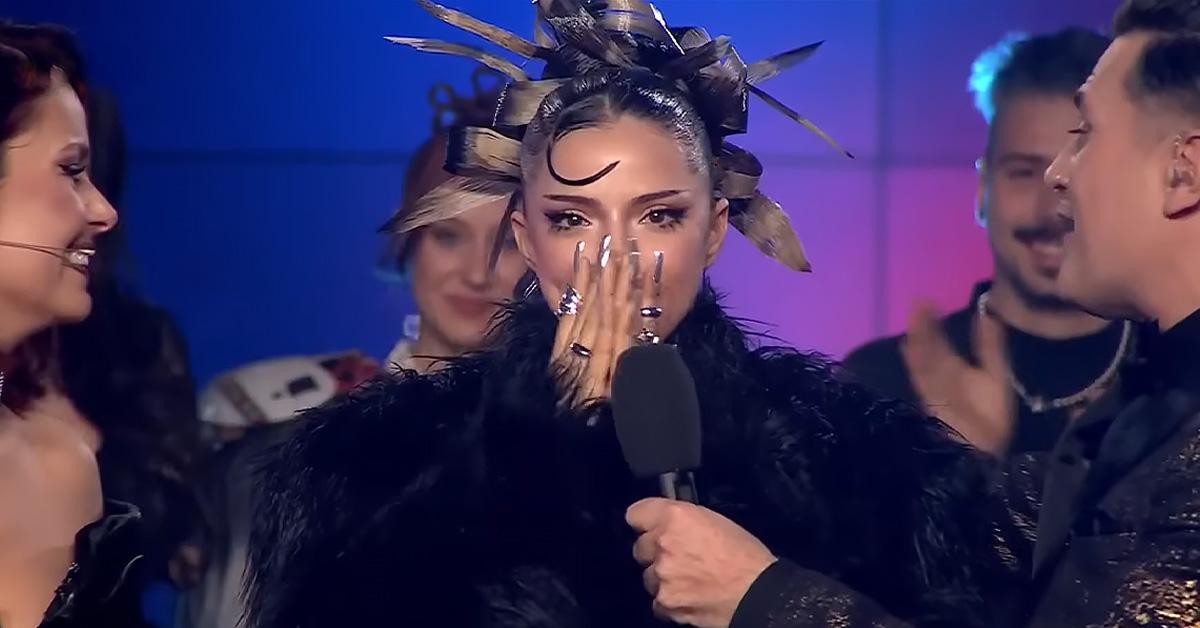
DARA, who was chosen to represent Bulgaria at Eurovision 2026, addressed the social media backlash directly today (Monday). According to her, the harsh criticism directed at her went beyond legitimate musical debate and turned into personal attacks.
“The most hurtful thing is the lack of trust in my talent that’s what truly shocks me,” said DARA. “I know that winners of any format are often met with massive waves of hate. I tried to endure it and not react but it came at a cost.”
Decision by the End of the Day: Withdrawal on the Table
According to her statements, the decision on whether to continue toward Eurovision 2026 or withdraw from the competition will be made by the end of the day. At this stage, no official response has been issued by the Bulgarian national broadcaster regarding next steps or a potential replacement, but the very possibility of withdrawal has shaken Bulgaria’s preparations for the contest.
This is considered an unusual case in terms of timing: a public crisis unfolding almost immediately after the representative’s selection, even before the song has been revealed or an official campaign has begun.
A Controversy Felt Beyond Bulgaria
The development comes amid growing sensitivity surrounding Eurovision 2026 selections, as artists from multiple countries report intense pressure and extreme reactions online. At this stage, DARA’s future in Eurovision 2026 remains uncertain but time is running out, and a decision is expected within the coming hours.
DARA – Who Are You?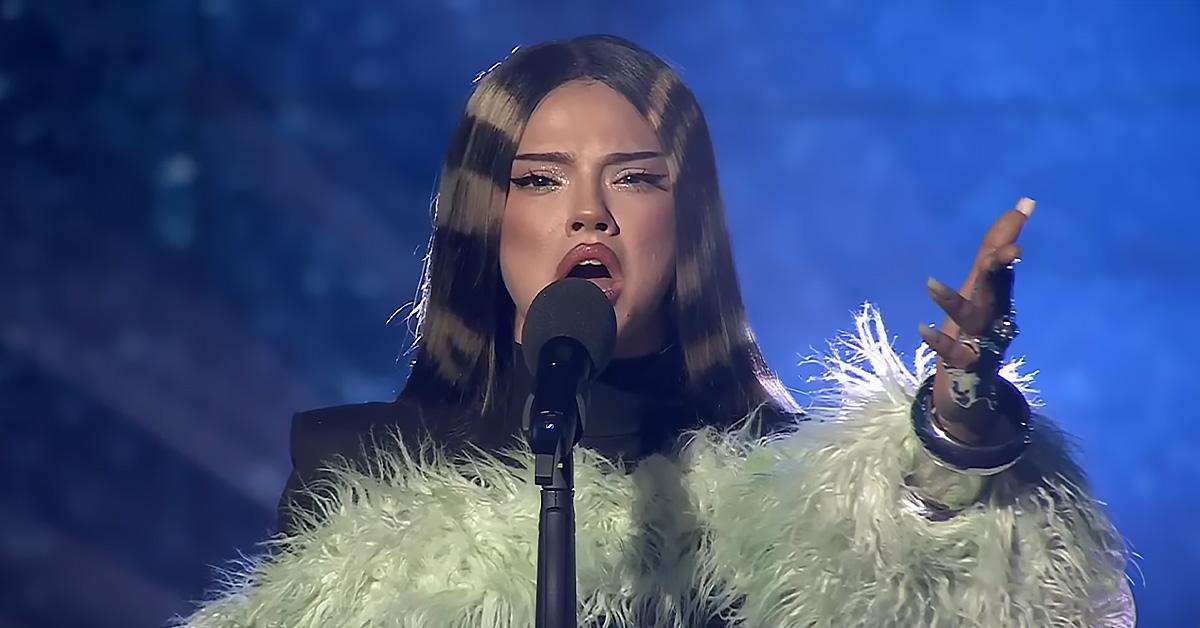
DARA, whose full name is Dara Nikolaeva Yotova, is one of the most prominent pop singers of her generation in Bulgaria. She rose to public attention in late 2015 after reaching the final of the Bulgarian version of The X Factor. Since then, she has established herself as a leading figure in the national pop scene.
She launched her solo career in 2016 with the hit “K’vo ne chu“, which topped the Bulgarian charts and later received an international English-language version titled “Onto You“. In the years that followed, she released a series of successful singles, appeared on major television productions such as the Bulgarian edition of “Dancing with the Stars”, and became widely recognized beyond music audiences.
Since 2021, she has served as a mentor on The Voice of Bulgaria, where she has guided contestants to victory on two occasions.
Bulgaria at Eurovision 2022
For Eurovision 2022, Bulgaria sent Intelligent Music Project with their song “Intention”, which interrupted Bulgaria’s streak of successes as they failed to qualify for the final for the first time since Eurovision 2013. The band finished sixteenth out of seventeen countries in the first semi-final held in Turin, Italy, receiving a total of 29 points, split to 11 points from juries and an additional 18 points from public voting. Following this participation, drummer Stoyan Yankoulov became the first artist to represent Bulgaria three times at Eurovision after participating in both Eurovision 2007 and Eurovision 2013.
Eurovision 2026: This will be Bulgaria’s 15th participation in the Eurovision Song Contest. Bulgaria joined the competition in 2005 and achieved its best result in Eurovision 2017 when the singer Kristian Kostov finished in second place with the song “Beautiful Mess”.
Email: [email protected]
Phone: +972-53-9514754
A writer and content creator with a strong specialization in the Eurovision scene, particularly across Eastern Europe and post-Soviet countries. His work highlights the artistry, storytelling, and cultural variety that define the contest, offering readers a deeper look into both established performers and emerging voices.
As a skilled translator and polyglot, he brings a unique linguistic and cultural understanding to his analysis and coverage..