A song competing in “Pesma za Evroviziju 26” has sparked regional controversy, after claims from Kosovo allege prohibited political messaging under Eurovision rules
On Monday, the Serbian national broadcaster PBS published the list of 24 competing songs in Serbia’s national selection for Eurovision 2026. Alongside widespread anticipation, one entry sparked significant controversy across the Balkan region. The song, titled “Jugoslavija”, has raised questions over whether it meets the eligibility requirements of the European Broadcasting Union (EBU), under whose auspices the Eurovision Song Contest is held due to its title.





🚫 #Serbia can’t separate politics from #Eurovision After a song about the “return of the army to #Kosovo ” in PZE, this year there’s a song glorifying #Yugoslavia . If Serbia selects it, the EBU won’t allow it — political messages are banned by the rules. pic.twitter.com/HpuDf1hhQn
— Eurovision Kosovo (@ESCKOSOVO) February 2, 2026
Political Controversy in Serbia
On the same day, a post was published on the official X account of “Eurovision Kosovo,” claiming that after a previous song allegedly hinted at “bringing the army back to Kosovo,” the new entry, according to them, “glorifies Yugoslavia.” They argued that a potential selection of this song as Serbia’s representative for Eurovision 2026 could prompt intervention by the EBU, as political messages are strictly prohibited under the contest’s rules.
The song “Jugoslavija” was released on the official YouTube channel “RTS Pesma Evrovizije”, where it quickly gained wide exposure and triggered a wave of reactions, both positive and negative.
What Is Yugoslavia?
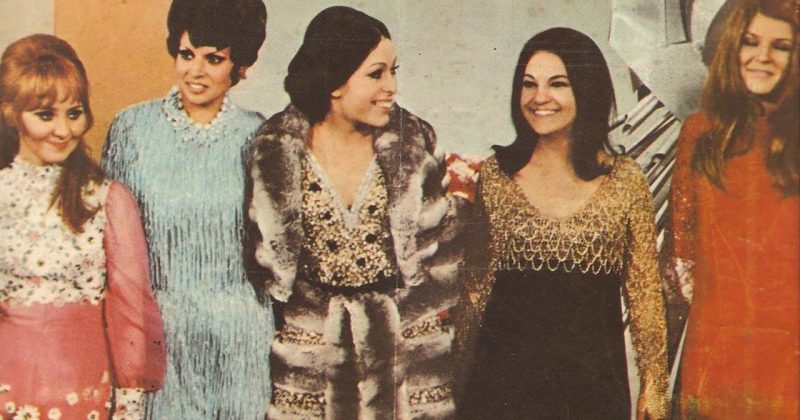
Yugoslavia participated in the Eurovision Song Contest 27 times, with its final appearance in 1992. The country won the competition only once, in 1989, with the song “Rock Me”.
In 1993, following a bloody conflict, Yugoslavia dissolved into several independent states now internationally recognized: Serbia, Montenegro, Croatia, Slovenia, North Macedonia, Bosnia and Herzegovina, and Kosovo.
Today, the name “Yugoslavia” evokes associations of war and conflict for many across the Balkan public. As a result, the very choice of the song’s title has led to public outrage and calls for its disqualification, citing a direct connection to political symbolism.
Click here to listen to the song:
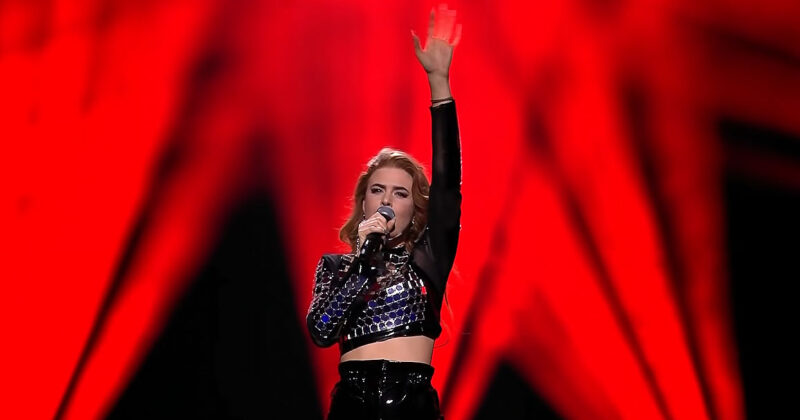
Serbia at Eurovision 2025
“Mila” is the title of the song performed by Serbian singer Princ, who represented Serbia at the Eurovision 2025 in Basel, Switzerland, finishing 14th in the second semi-final with 28 points. The song was written by Dušan Bačić. This marks his first foray into the Eurovision contest. The song is performed in Serbian.
The song deals with feelings of intense love and the accompanying pain, with the lyrics describing feelings of longing, shared memories, and a deep connection that persists despite difficulties and distances.
Eurovision 2026: This will be Serbia’s 18th participation in Eurovision. Serbia joined the contest in 2007 and achieved its best result in the same year when singer Marija Šerifović won first place with the song “Molitva”.
Email: [email protected]
Phone: +972-53-9514754
A writer and content creator with a strong specialization in the Eurovision scene, particularly across Eastern Europe and post-Soviet countries. His work highlights the artistry, storytelling, and cultural variety that define the contest, offering readers a deeper look into both established performers and emerging voices.
As a skilled translator and polyglot, he brings a unique linguistic and cultural understanding to his analysis and coverage..