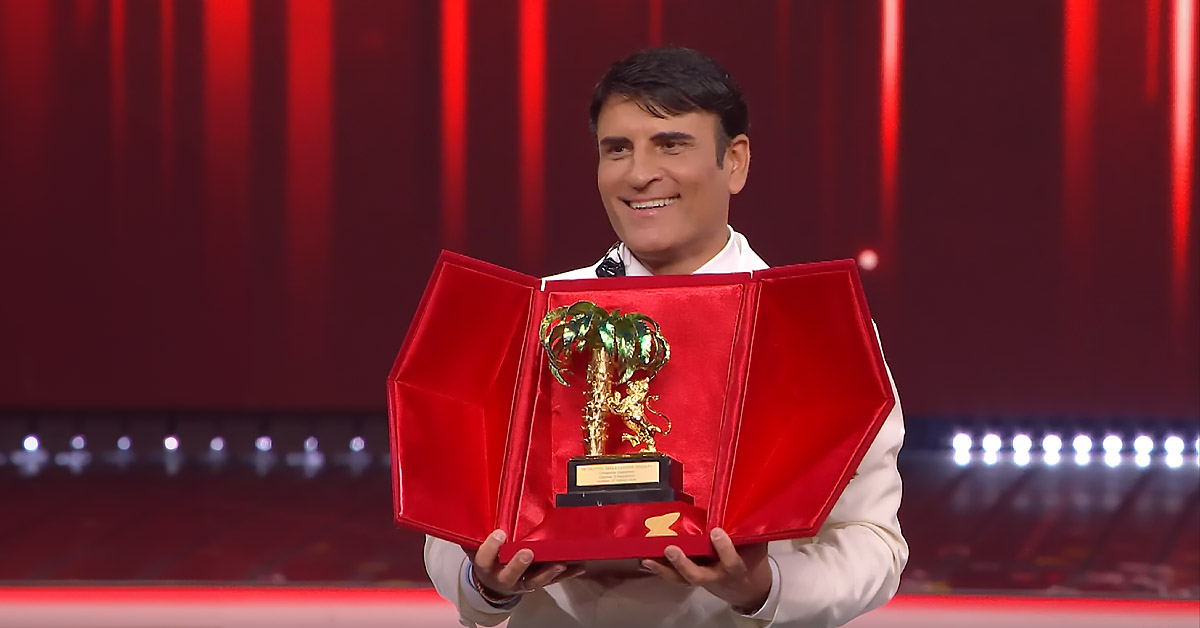
Italy’s Eurovision 2026 staging is taking shape as Sal Da Vinci prepares a minimalist Vienna performance with choreography by Marcello Sacchetta
Preparations in Italy for Eurovision 2026 are in full swing. New details about Sal Da Vinci’s performance, published in the Italian press, have revealed more about the staging concept for the artist who won the Sanremo Festival in February and is set to represent Italy at the Eurovision Song Contest 2026 in Vienna. According to the report, the singer will collaborate with choreographer and dancer Marcello Sacchetta, who created the song’s iconic choreography.





A Performance That Will Be Hard to Forget
Much like Sal Da Vinci’s performance at the Sanremo Festival, where he appeared alone on stage in an elegant wedding suit, relying solely on his striking charisma, Italy’s Eurovision entry is expected to remain fairly minimalist. The concept focuses on preserving the song’s emotional atmosphere, while introducing several substantial upgrades for the Vienna stage. The performance will aim not to overshadow Da Vinci, but to accompany him while building a narrative aligned with the song’s message. Will the Italians manage to stand out among all the grand final performances with simple yet precise staging?
The Winning Collaboration
Choreographer Marcello Sacchetta is known in Italy primarily as a professional dancer on the reality show “Amici”. Sacchetta was involved in the creative process of the song “Per Sempre Si” from nearly the very beginning. He is responsible for the iconic dance featured in the song’s music video, which was later translated into simpler movements that Da Vinci performed live on the Sanremo stage. Sacchetta also plays the groom in the song’s video, alongside dancer Franccesca Tocca, who portrays the bride.
In an interview with the Italian magazine Gente, Sacchetta explained the thinking behind the choreography: “We felt we needed to find a dance movement that would be instantly recognisable, almost like a ritual that has always been shared among wedding guests. These are gestures that emerged naturally and were then adapted by Sal Da Vinci for the Ariston stage. They are recognisable and reflect typical Italian gestures”.
What Can We Expect on Stage?
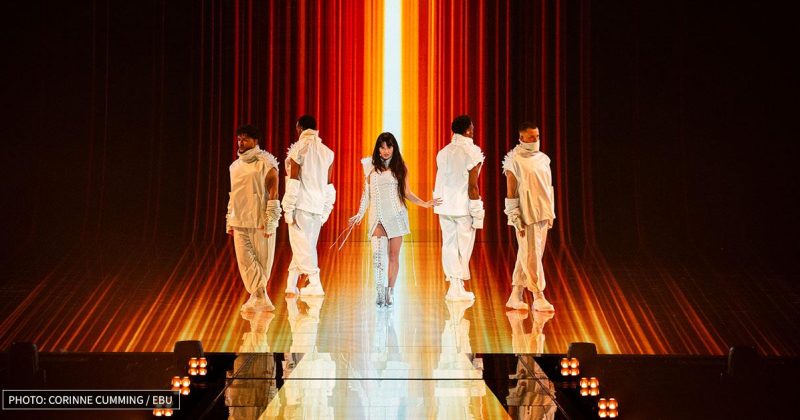
Five dancers will join Da Vinci on stage in Vienna. At the beginning of the song, their movements will be minimalist, almost frozen in place, but they will intensify as the music builds. The choreography will become more dynamic, with the dancers searching for one another across the stage and then moving apart. Finally, the hand movement across the chest, already seen in Da Vinci’s previous performances, will become a collective gesture. The staging is designed to create an intimate atmosphere that keeps the audience focused on Sal Da Vinci and the song.
The use of the LED screen will also align with this intimate mood. The screens are expected to display images in gold and white tones, creating a sense of an intimate space without stealing attention from Sal and the dancers.
Sal Da Vinci – Who Are You?
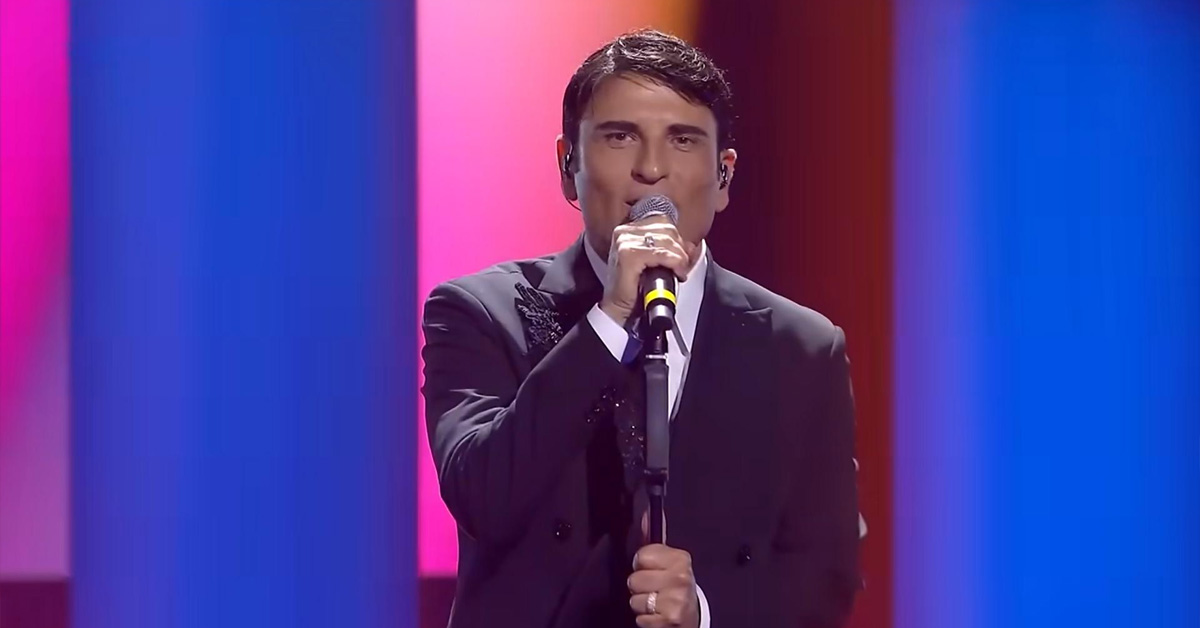
Sal Da Vinci is a veteran Italian singer, songwriter, and actor, known as one of the most beloved voices in the Italian pop scene, with a strong connection to Neapolitan music. His real name is Salvatore Michael Sorrentino, and he was born in 1969 in New York, while his parents, both performers, were there for a series of shows. He grew up and built his career mainly in Naples, a city that deeply influenced his musical style and artistic identity.
He began performing on stage as a child and, over the years, established a career spanning more than four decades. Blending modern Italian pop with traditional Neapolitan roots, he became a familiar figure not only in music but also in theatre and television in Italy. His participation in the “Festival di Sanremo 2009” strengthened his national recognition, and throughout the years, he has continued to release successful hits.
In recent years, he has enjoyed a renewed wave of popularity, attracting a younger audience who rediscovered him through social media and streaming platforms. His return to “Festival di Sanremo 2026” with the song “Per sempre sì” showcases him as a mature and moving artist, bringing to the stage a romantic ballad about love, commitment, and the promise of a shared life.
Italy at Eurovision 2026
“Per sempre sì” (in English: “Forever Yes”) is the song to be performed by Sal Da Vinci, whose real name is Salvatore Michael Sorrentino, representing Italy at Eurovision 2026 in Vienna, Austria. The song, which won “Festival Di Sanremo 2026”, was written and composed by Sal Da Vinci together with Alessandro La Cava, Eugenio Maimone, Federica Abbate, Federico Mercuri, Francesco Sorrentino, and Giordano Cremona. It is performed in Italian.
As Italy is part of the “Big 5,” Da Vinci automatically qualifies for the Grand Final on May 16th, but he will also perform his song during the first semi-final on May 12th.
Eurovision 2026: This will be Italy’s 51st participation in Eurovision. Italy joined the contest in 1956, was one of the seven founding countries, and has won three times over the years. Italy’s most recent victory was at Eurovision 2021 with the song “Zitti e buoni” performed by the band Måneskin.

Email: [email protected]
Phone: +972-50-9441919
Maor Heumann has been writing about the Eurovision Song Contest and following it for over three decades. He has attended five contests and has found something to appreciate in almost every possible musical genre — from the sugary pop entries that finish last in the semi-finals to the quirky avant-garde pieces that even the competition’s juries struggled to connect with. He usually prefers original languages and songs with depth over Swedish-produced English clones — though he doesn’t promise to stick to that rule.
He grew up on the kibbutz of Sara’le Sharon, who instilled in him a love for music and created his first connection to the contest back in 1993 — before most of the current editorial team was even born.