Switzerland’s Veronica Fusaro will not perform “Alice” with live guitar at Eurovision 2026 despite Finland’s approved live violin request.
A dramatic development has emerged ahead of the Eurovision Song Contest 2026, raising fresh questions about the decision-making process of the European Broadcasting Union. Switzerland’s representative, Veronica Fusaro, who will perform “Alice” in Vienna, requested permission from the EBU to play guitar live on stage after Finland was granted an unprecedented exception allowing Linda Lampenius to perform live violin during the contest.
Why Finland Was Approved – And Switzerland Was Not
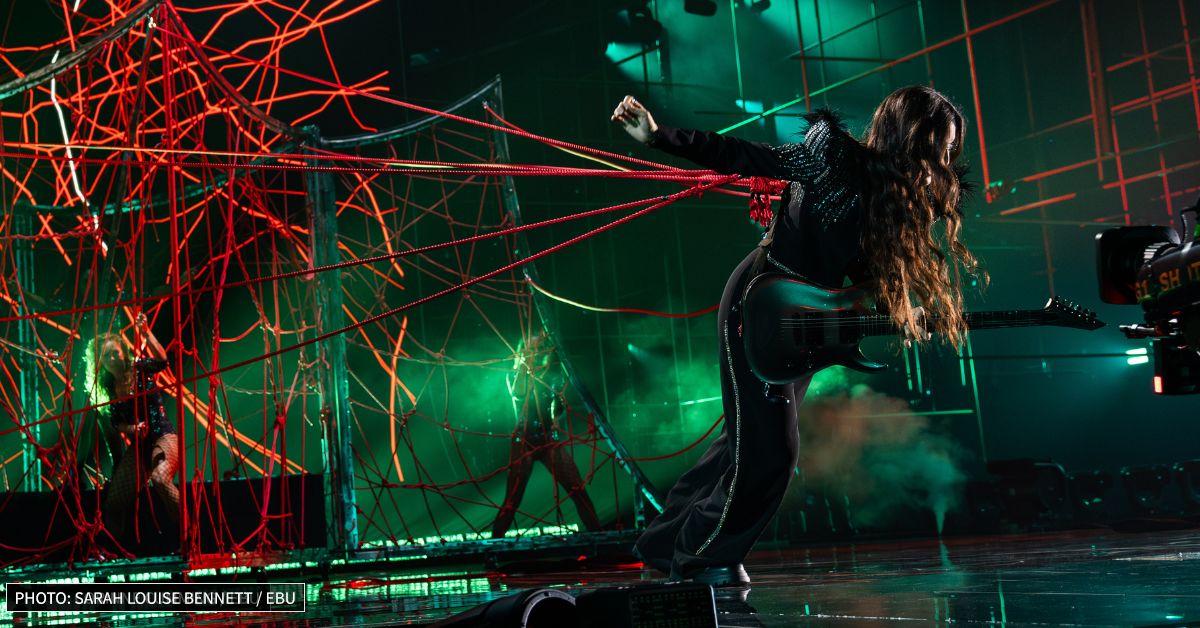
Many Eurovision fans speculated that Fusaro might follow Finland’s example after images from her first rehearsal showed her holding a guitar connected to a transmitter. This immediately sparked discussions among fans about whether Switzerland had also secured an exception for live instrumentation.
Switzerland’s Head of Delegation, Andrea Vogel, quickly clarified that Fusaro’s performance will fully comply with EBU regulations, meaning there will be no live guitar playing on stage. According to Vogel, electrically connected instruments such as electric guitars are not permitted for live performance under the contest’s rules, and no exemptions were granted in Switzerland’s case.
At first glance, the EBU’s exclusive approval for Finland may appear controversial. However, there is a significant distinction between the two cases. Unlike Switzerland, Finland submitted its request several months earlier, allowing the EBU enough time to review and evaluate the artistic justification behind the proposal.
Furthermore, the decision aligns with the official Eurovision 2026 rules, which state that live instrumental recordings may be permitted in exceptional cases when there is sufficient artistic justification.
Can the rules change?

Since 1999, one of Eurovision’s rules has been the ban on live instrument playing on the Eurovision stage. The reason for this rule is the speed required to prepare the stage between each country’s performance – an instrument usually needs its own microphone and tuning, which can extend the setup time. In addition, the EBU also has technical concerns about sound issues arising from the use of live instruments.
Over the years, a considerable number of artists have sought permission from the EBU to perform live on stage. Among the memorable cases are Netta Barzilai’s looper in 2018 and Tinkara Kovač, the flutist who represented Slovenia at Eurovision 2014 and also tried to make the same request to the European Broadcasting Union while in Copenhagen.
All contestants who were asked to play live on stage in the past were refused, with one exception last year. Lucio Corsi, the Italian representative, performed a harmonica solo on stage and took advantage of the fact that this instrument did not require a prior sound check or an additional microphone. The question this year is therefore whether the European Broadcasting Union will be more flexible in light of that case and the fact that the Finnish song is currently ranked first in the betting odds.
Veronica Fusaro’s Stage Performance for “Alice”
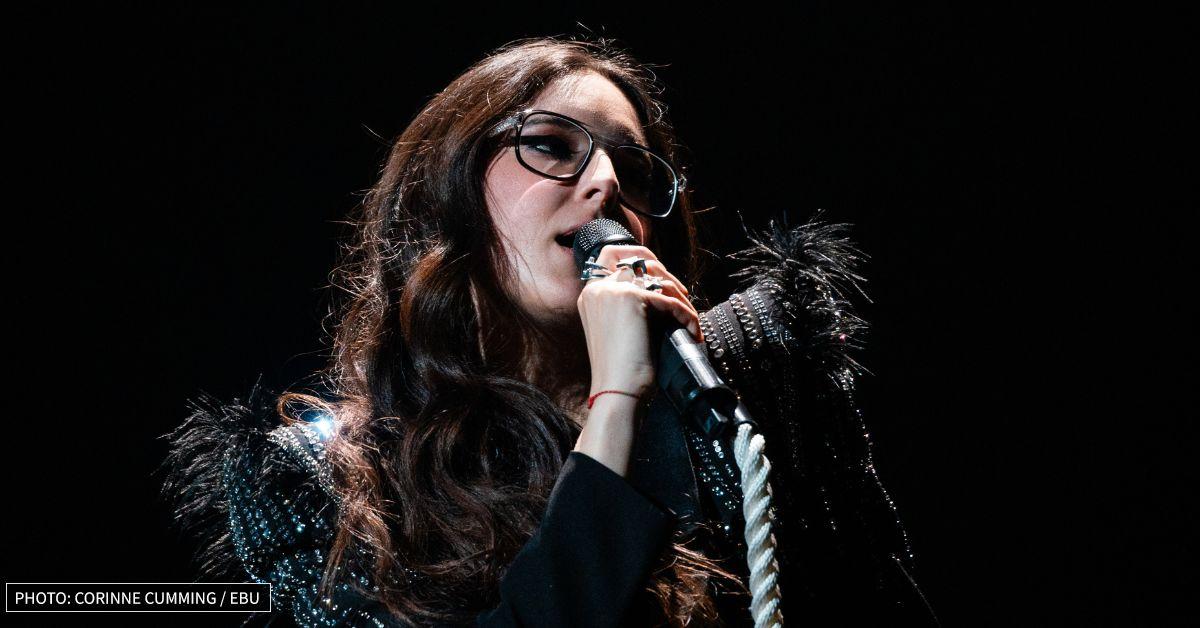
During her first rehearsal, Fusaro opened her performance with an intriguing visual interaction with the camera. She uses the microphone cable as a physical stage prop, shaped like a rope, creating the impression of tension and emotional pull between herself and the camerawork. The staging adds another layer of struggle to the song’s emotional narrative and pulls viewers directly into the story.
As the performance progresses, four dancers wrapped in red ropes guide Fusaro toward a central stage structure. The installation is a cube-shaped climbing frame, where the red ropes symbolically resemble prison bars – a clear visual metaphor for Alice being trapped inside a toxic relationship. The staging remains focused and polished, delivering the song’s narrative clearly without overwhelming the performance.
For the performance, Fusaro wears a black suit featuring a short military-style jacket decorated with rhinestones and feathered shoulders – blending strength and elegance. In the final section of the song, she takes out her guitar, drops to her knees, and writes the name “Alice” on the stage using a red rope. The visual ending completes the narrative arc of the character she portrays.
Switzerland at Eurovision 2026