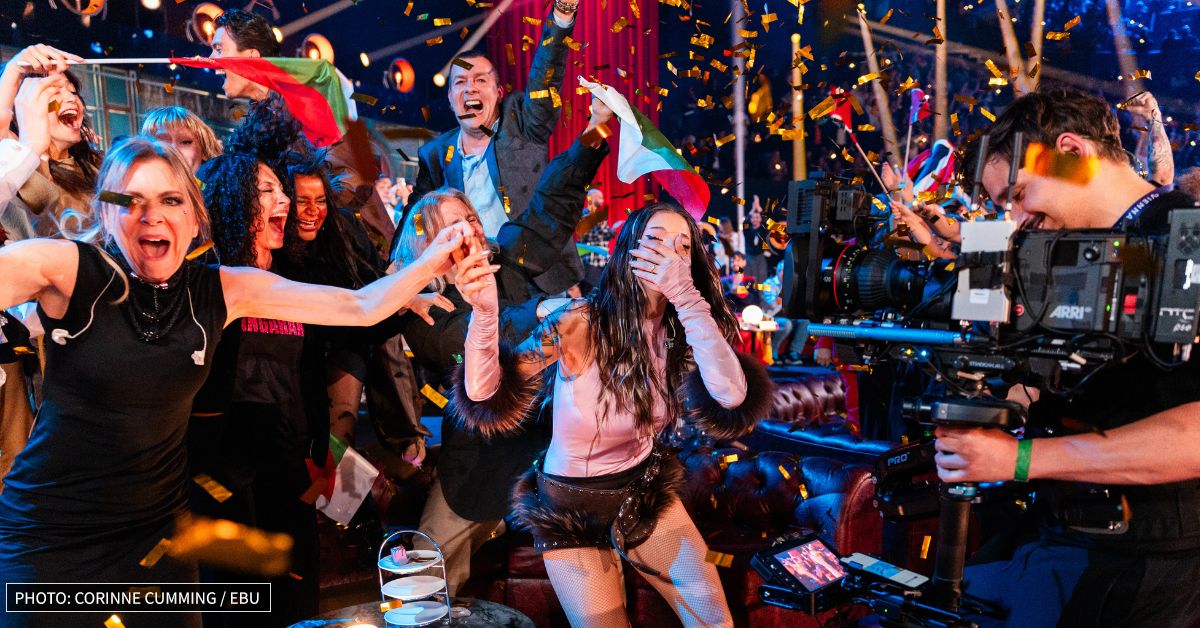
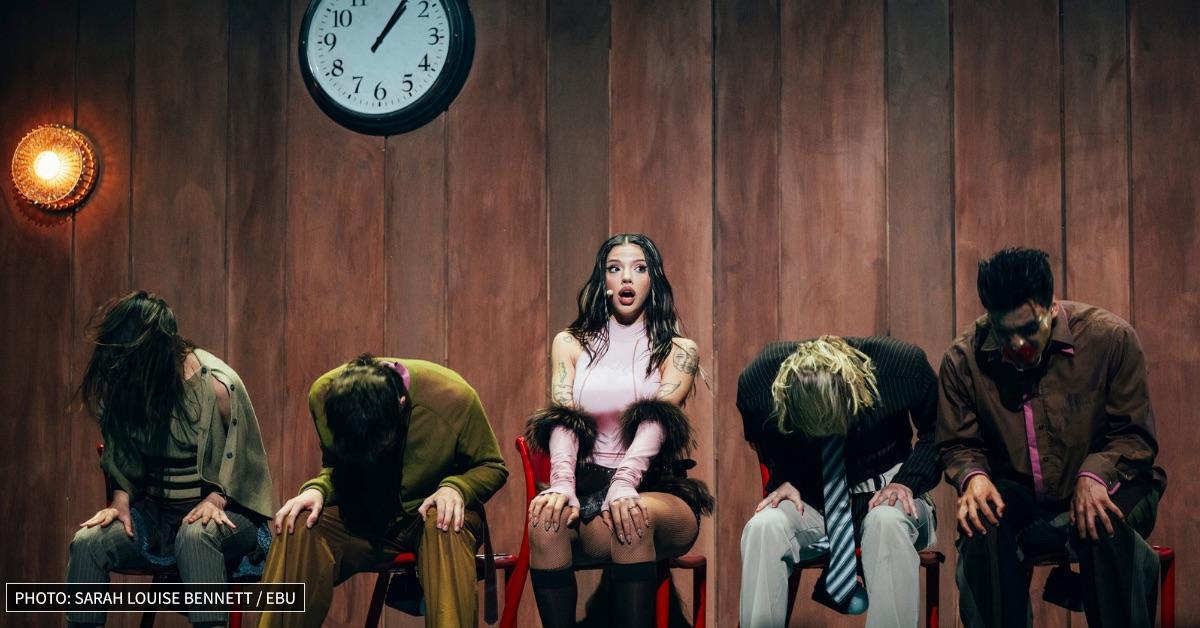
 After a three-year absence from the contest, Bulgaria returned to Eurovision this year in a big way, but it certainly did not look like that at the beginning. Throughout most of the season, the Eurovision 2026 winner, DARA, hovered around 13th place in the odds. Did you know she even considered withdrawing from the entire competition following negative reactions after her national final victory?
If you had said at the start of Eurovision week that Bulgaria would be the big winner, people would have probably laughed in your face, but everything changed in the second semi-final in Vienna: one electrifying performance on stage instantly catapulted the singer to third place in the tables, and from there, the road to history was short. DARA overtook clear favorites like Finland, registered the largest gap between first and second place since Alexander Rybak, and made Bulgaria the first Balkan country to win since 2007.
 Marko Purišić, known as Baby Lasagna, was never even supposed to participate in the Croatian national selection, Dora. Originally, he was placed on the reserve list of the selection in case someone withdrew. After another singer decided to give up her participation, he was immediately called to take her place. His rhythmic and sweeping song, “Rim Tim Tagi Dim“, not only took the Croatian selection by storm, but also became a massive hit across all of Europe and brought Croatia its best result of all time – second place in the Grand Final of Eurovision 2024.
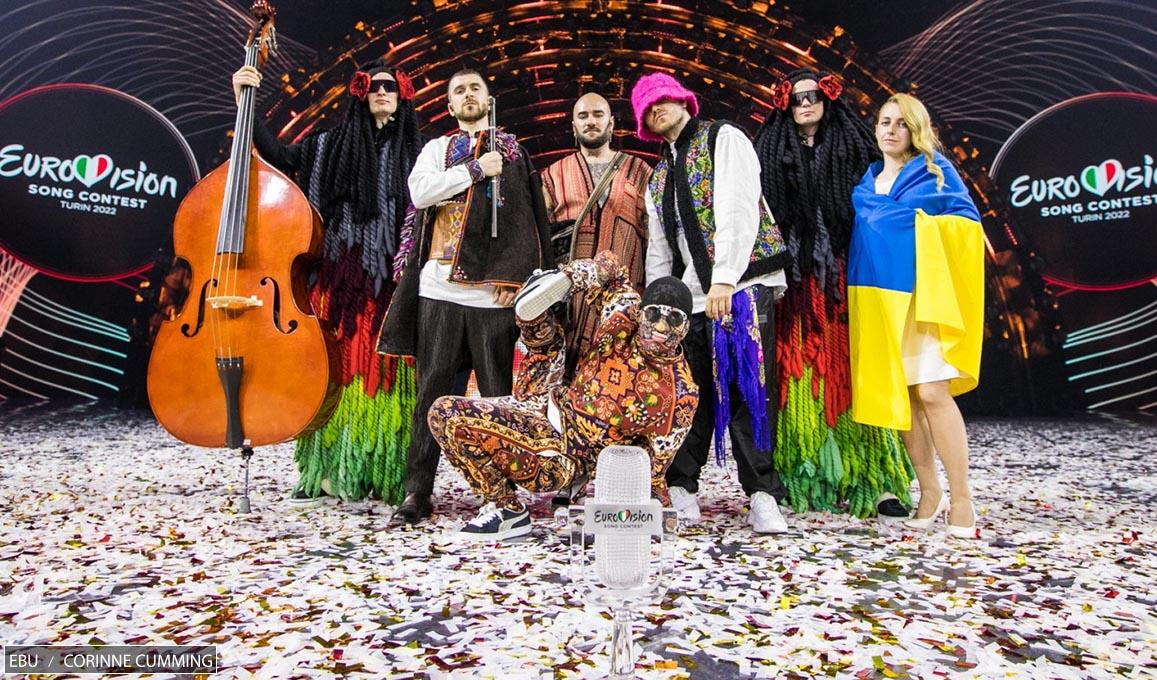 The Ukrainian group Kalush Orchestra was never slated to step on the stage in Turin with the song “Stefania“. In the 2022 Ukrainian national selection, Vidbir, the singer Alina Pash won with the song “Shadows of Forgotten Ancestors”. However, immediately following her victory, a scandal erupted surrounding her travel documents to the Crimean Peninsula, which led to her withdrawal from participating in Eurovision 2022.
Kalush Orchestra, who finished second in the selection, received the opportunity to represent the country in the shadow of the outbreak of the war with Russia. They traveled, sang from the heart, and won first place with unprecedented support from the European audience.
 The beloved Swedish national selection for 2025, Melodifestivalen, was supposed to be the renewed coronation show of Måns Zelmerlöw, the Eurovision 2015 winner, who returned to the contest with the song “Revolution“. His victory seemed guaranteed not only in the selection, but even on the stage in Basel, yet in the Melfest final, the unbelievable happened: KAJ, a Finnish band that arrived at the Swedish competition with a song about a sauna, captivated the audience, defeated Zelmerlöw, and pushed him to second place in a sensation that left Eurovision fans speechless. Although the band ultimately finished in fourth place and did not win Eurovision itself despite being ranked first in the betting odds throughout the entire season, KAJ’s story shows that dreams are sometimes meant to come true.
The road to Eurovision for  was not simple. First, she tried her luck in the 1995 Israeli national selection with “Layla Tov Eropa” (in English: “Goodnight Europe”) and finished in second place. About three years later, she was chosen through an internal selection by the national broadcaster to represent Israel with “Diva“, under severe protest from conservative elements in Israel who connected less with the idea of sending a singer who had undergone gender reassignment surgery. Dana traveled to Birmingham in the United Kingdom, delivered an unforgettable performance, and rewrote history as she became the first trans winner in the history of the contest.
 Similar to Dana International, the selection of the drag singer Conchita Wurst was accompanied by a massive storm. The moment it was announced that a bearded lady would represent Austria, boycott petitions arose across Europe, and conservative countries demanded her performance be cut from the broadcast. Conchita arrived in Copenhagen absorbing tremendous fire, but the moment she took the stage with the powerful ballad “Rise Like a Phoenix“, she silenced all the critics, won big, and sent the world an unequivocal message of tolerance and love.
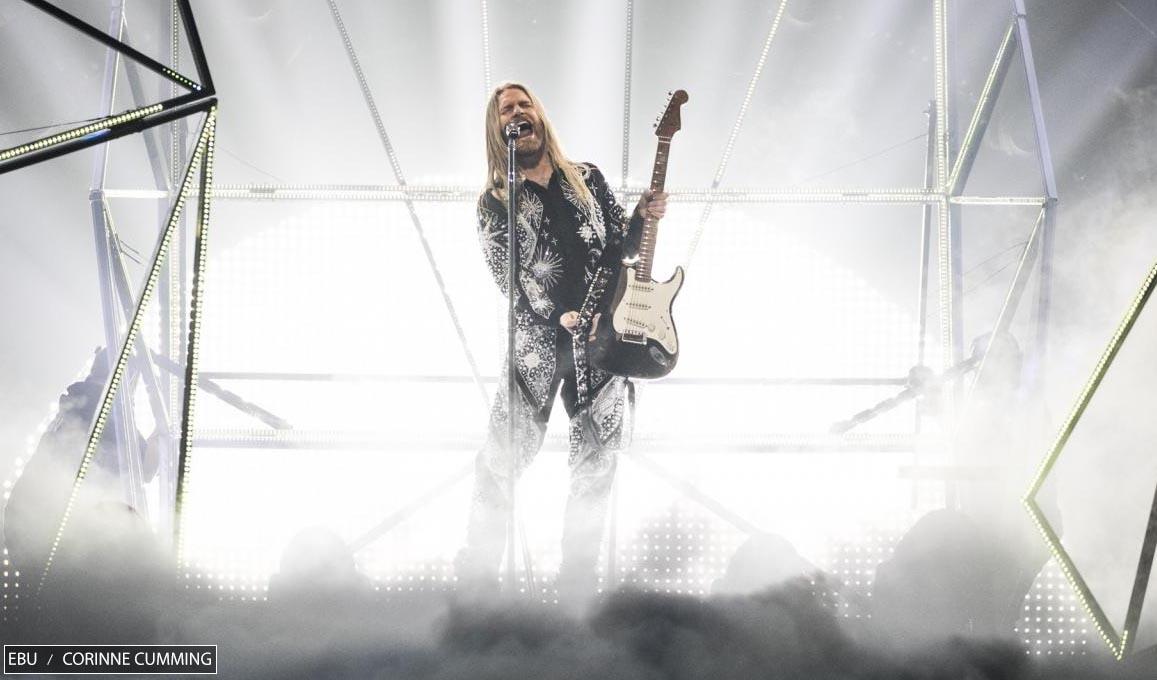 The year 2021 will be remembered as one of the darkest years for the United Kingdom at Eurovision, after finishing in last place with zero points from both the juries and the televote. Expectations were on the floor and the reputation of the contest in the kingdom was at an all-time low. In the year following the failure, the British national broadcaster BBC decided to take a gamble on Sam Ryder, a young TikTok star with a tremendous voice. Contrary to all the doomsday prophecies about another expected British failure, Ryder won the jury vote in the final and finished in second place overall, the best result for the United Kingdom in 24 years. Ryder’s silver medal even granted the United Kingdom the right to host Eurovision 2023, after the winning country Ukraine was unable to do so in light of the war with Russia. However, it is a shame that just one year later, the United Kingdom crashed again and entered a humiliating streak of placing in the bottom five year after year.
In the mid-2000s, Eurovision was the kingdom of upbeat pop, wind machines, and sparkling pyrotechnics. Somewhere in 2006, when Finland decided to send Lordi, a heavy metal band whose members dressed in terrifying monster costumes, the media in Europe mocked them, and bettors gave them absolutely no chance. Even in Finland, there were those who claimed the band was an embarrassment to the country. The result? A crushing and historic victory that brought Finland its first and only Eurovision trophy.
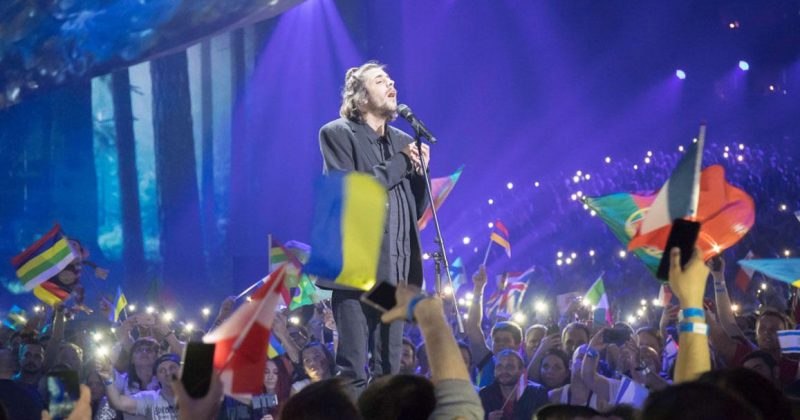
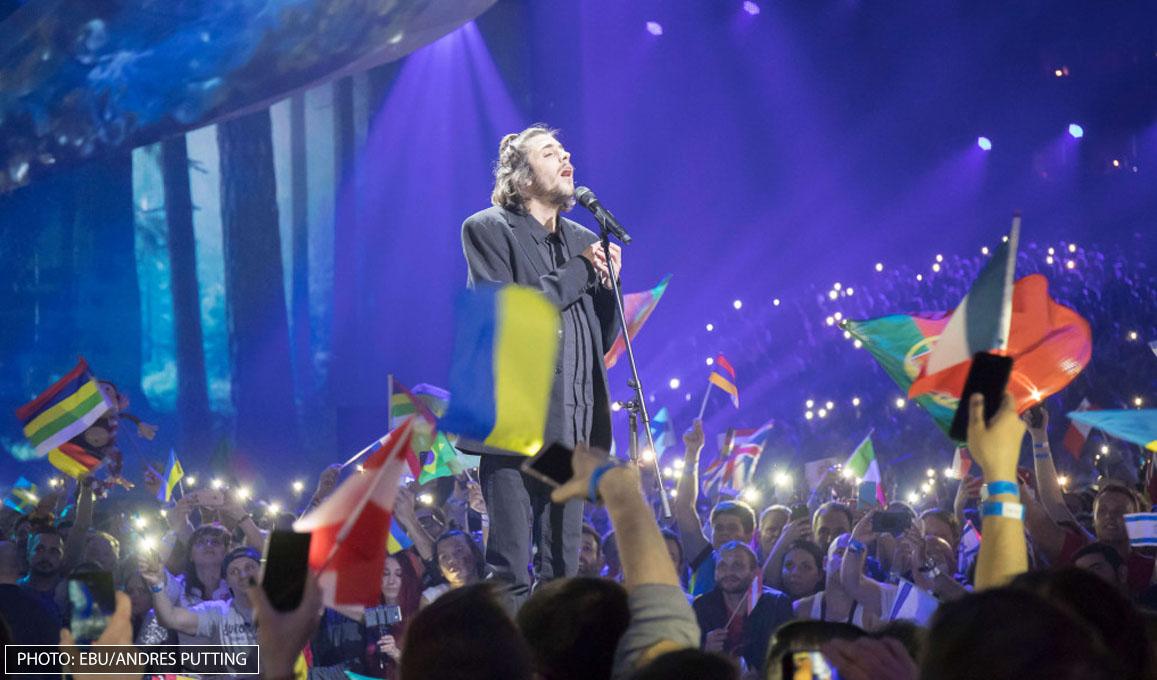 The song “Amar pelos dois” (in English: “Love for Both”) was the exact opposite of everything considered correct at Eurovision: a quiet jazz ballad in the Portuguese language, devoid of dancers or visual gimmicks. Beyond that, the singer Salvador Sobral was dealing with severe heart failure at the time, which prevented him from participating in the first rehearsals in Kyiv, where his sister, who also wrote the song, stood in for him. At the moment of truth, the audience and the juries simply fell in love with his sincerity and vulnerability on stage, and Sobral shattered the all-time scoring record with 758 points, which naturally led to the first-ever victory for Portugal.
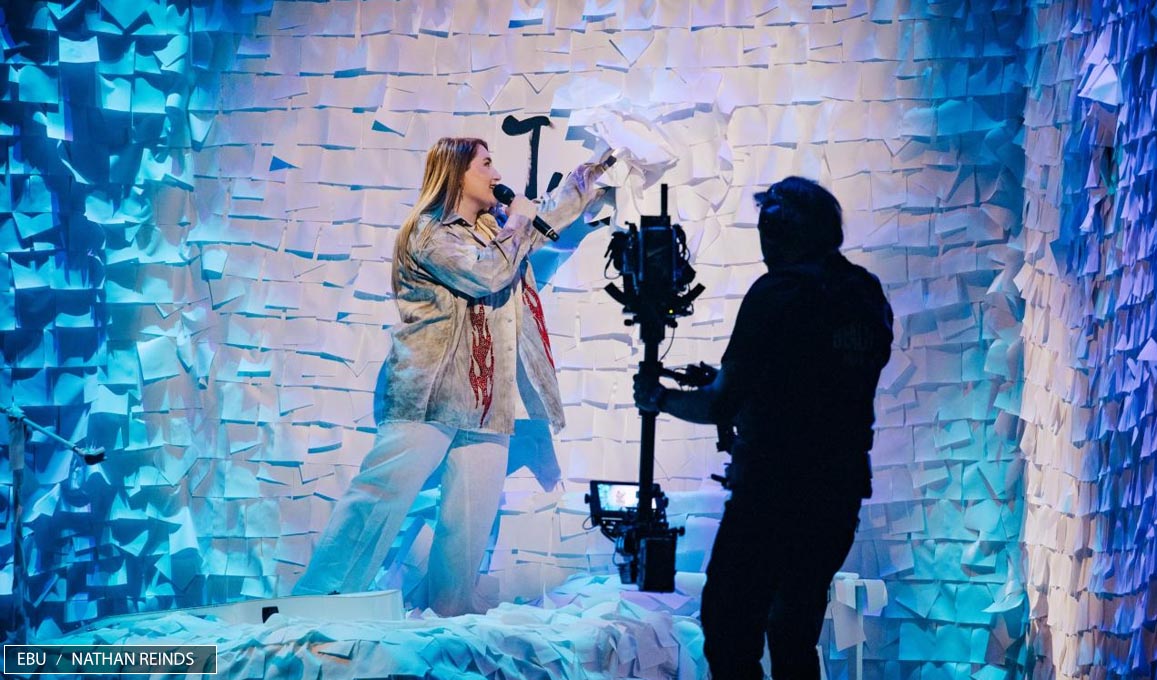 The most modern Cinderella story might not even be related to first place in the contest. The young singer Rosa Linn was sent to represent Armenia with the song “Snap“, and on the night of the final, she finished in a rather disappointing 20th place. In classic Eurovision terms, the song was supposed to be forgotten – but then TikTok did its job. Just a few months after the competition, the track went viral on an unprecedented scale, entered the American Billboard charts, became one of the most streamed Eurovision songs on Spotify ever, and landed Rosa Linn opening act slots on Ed Sheeran’s global tour. Rosa Linn is not the only one to experience something similar post-Eurovision, as representatives like the Portuguese Napa managed to blow up on social networks with their song after Eurovision despite not achieving dizzying success in the contest itself.
Which story stunned you the most? And is there a story where the shoe fits perfectly but it is not on the list? Tell us in the comments, and see you for the next top 10!
Eurovision 2027: The 71st Eurovision Song Contest will take place in Burgas, Bulgaria on May 11, 13, 15 , following the country’s victory with the song “Bangaranga” performed by the singer DARA. This will be the first time the contest is hosted in Bulgaria.