
Germany’s Eurovision 2027 selection is progressing, with the first applicants reportedly rejected. Meanwhile, Dschinghis Khan could be heading for a potential comeback.
Germany’s preparations for the Eurovision 2027 are officially underway. With the competition set to take place in Burgas, Bulgaria, the German broadcaster has completed its initial review of the songs submitted for the national selection, and some applicants have already received disappointing news.





The German national final is expected to take place in February 2027. However, although the selection process is progressing, the broadcaster has not yet revealed which artists remain in the running or which submissions have been eliminated. Could one of Germany’s most iconic musical acts still be among the candidates?
Germany Begins Reviewing Eurovision 2027 Submissions
The submission window for Germany’s Eurovision 2027 selection closed on September 21. According to the Eurovision news website ESC Kompakt, the first notifications have now been sent to applicants. Those who received a negative response were informed that their songs would not proceed to the next stage, without receiving individual feedback on their submissions.
The initial evaluation was conducted by a team of five music industry professionals. Songs that made the shortlist will be assessed by an international jury with experience in the music industry and the Eurovision Song Contest.
The jury will evaluate the entries and provide feedback, while the final decision will be made by Germany’s public broadcaster, SWR, together with its music team.
Although the broadcaster has not revealed which artists have progressed, the process is already attracting attention from Eurovision fans eager to discover who will represent Germany in 2027.
Could Dschinghis Khan Return to Eurovision in 2027?
One of the most intriguing developments surrounding Germany’s selection is the possibility of a Eurovision comeback connected to Dschinghis Khan, one of the most recognizable acts in the contest’s history.
Legendary German music producer Ralph Siegel, who recently celebrated his 80th birthday, has revealed in an interview with German music programme Schlagerpuls that he has submitted a new song for the German national selection. The song is intended for a new generation of the group, Dschinghis Khan.
The original group became internationally associated with Eurovision after representing Germany in 1979 with the energetic song “Dschinghis Khan”. Their distinctive performance and memorable staging helped establish the act as one of the contest’s most enduring names.
Now, Siegel hopes to bring that legacy back to the Eurovision stage.
“We have just finished it, and we are very excited. I simply want to compete in the national selection. I have submitted something really great,” he said in the interview.
Siegel also emphasized that the submission had been carefully developed. He described the song as relatively modern while expressing confidence that it would remain true to the group’s distinctive identity. He hopes the jury will recognize the potential of the entry and view it as he does.
A successful return would offer a fascinating combination of Eurovision nostalgia and a new musical direction. However, it remains unclear whether the submission will make it through the selection process.
Who Is Behind Germany’s Eurovision Selection?
The team overseeing the selection includes German head of delegation Tina Sikorski, songwriter and music producer Jules Kalmbacher, and producer Pele Loriano.
Loriano is particularly notable for his work as a producer, songwriter and Eurovision strategist. Sikorski has praised his experience in developing musical strategies for Eurovision, including his work with Switzerland in recent years.
The wider team also includes artistic director Florian Müller, artist manager Celina Spanier, and Lilly Behling, who works in the music and record industry and is associated with JJ, the winner of Eurovision 2025.
Together, the team will help identify the artists and songs that could give Germany a stronger result at Eurovision 2027.
Germany Sets Its Sights on a Better Result in 2027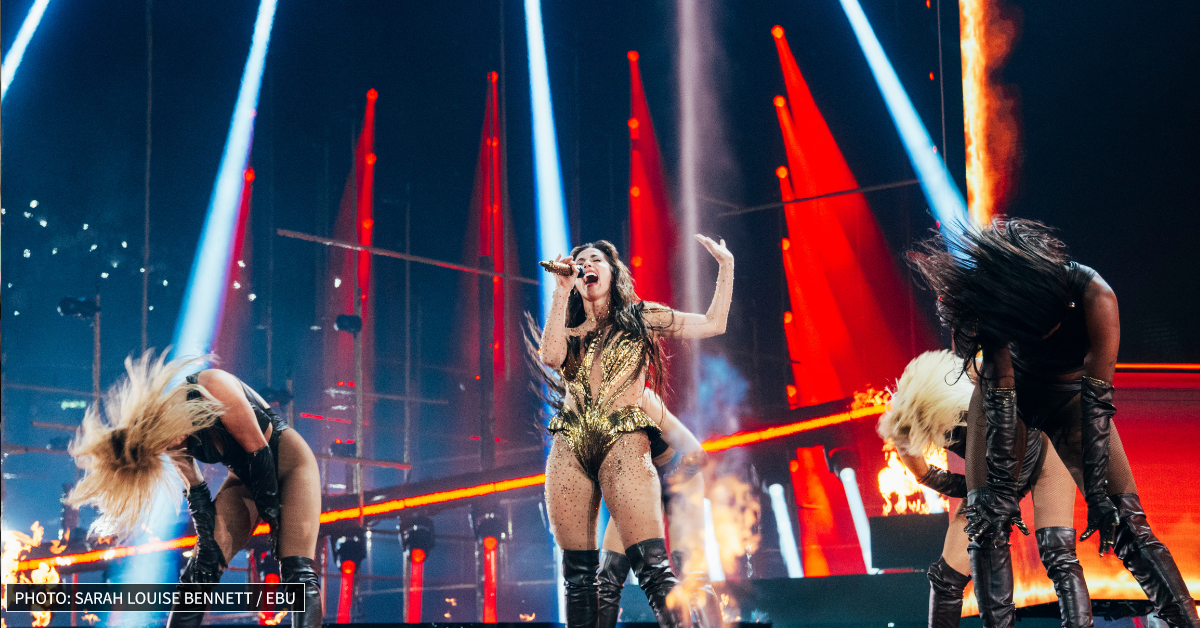
Despite Germany’s recent results, the broadcaster is already looking ahead and hoping that 2027 will bring a better outcome. Sikorski reflected on Eurovision 2026 and thanked the German delegation for its efforts.
“What a journey Eurovision 2026 was! Thank you, Sarah, for the fantastic performance and your tireless efforts on stage and behind the scenes. And thank you to the SWR team for the many hours of work,” she wrote.
She also acknowledged that the final result had not met expectations, while highlighting the consistency of the performances and the positive response from the German audience.
Nevertheless, the broadcaster is determined to improve Germany’s position in the competition. Looking ahead to 2027, Sikorski explained that the team intends to improve its processes, reach a wider audience and attract stronger candidates to the national selection.
The aim is to work closely with the music industry and provide artists with a reliable platform on which to develop their Eurovision entries. The team also hopes to encourage greater musical diversity, moving beyond conventional mainstream pop and giving more distinctive songs an opportunity to stand out on the Eurovision stage.
For Germany, the challenge is not simply to participate, but to find an entry capable of making a lasting impression on both the jury and the public.
SWR Keeps the Selection Process Confidential
Despite the growing interest surrounding Siegel’s submission, SWR has not officially confirmed whether his song or the proposed Dschinghis Khan lineup has been accepted.
In an official response, the broadcaster explained that it could not disclose information about individual submissions or the ongoing selection process.
This means that, for now, Eurovision fans will have to wait for further announcements before learning which artists will compete for the opportunity to represent Germany in Burgas.
With the first round of evaluations complete and the next stages underway, Germany’s Eurovision 2027 campaign is beginning to take shape.
Will the selection introduce a completely new name to the Eurovision community, or could a familiar legend return to the stage? If Siegel’s submission progresses, Dschinghis Khan could become one of the most talked-about stories of Germany’s road to Eurovision 2027.