British national broadcaster BBC and BBC Studios officially launch the search for the UK’s Eurovision 2027 artist and song.
The countdown has officially begun: with exactly 200 days remaining until the Eurovision 2027 Grand Final in Burgas, Bulgaria, British national broadcaster BBC, alongside its production arm BBC Studios, has officially announced the launch of its search for the artist and song set to represent the United Kingdom. The stated ambition: to showcase the very best of contemporary British music to millions of viewers across Europe and beyond.
In the United Kingdom, Eurovision is viewed as a massive cultural powerhouse with cross-generational appeal, drawing an estimated global audience of 160 million viewers annually and generating an impressive figure of over 2.6 billion video views across major digital platforms.
The Architect Behind Sam Ryder’s Success Takes the Lead
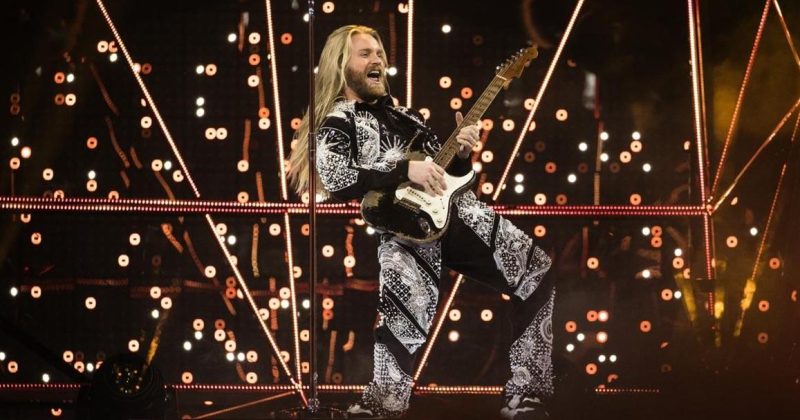
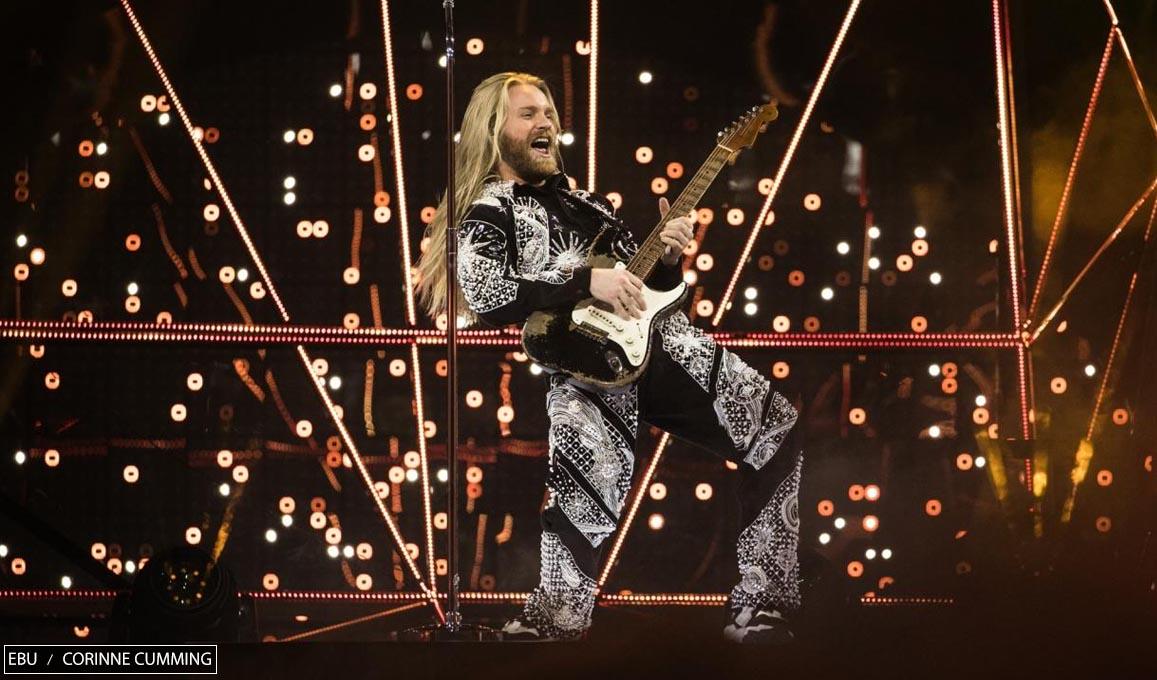
Leading the flagship project is UK Eurovision Project Director David May, who brings nearly two decades of rich expertise across the global music industry. May is widely recognized as the manager of Sam Ryder, who guided the United Kingdom to a historic second-place finish at Eurovision 2022 with the hit “Space Man” – a breakthrough journey that yielded a UK Number 1 album, two Number 2 singles, and nominations for both BRIT and Emmy Awards.
Working alongside May is Andrew Cartmell, who serves as Executive Producer and Head of Delegation for the UK. Together, they are collaborating closely across key music divisions within the national broadcaster: BBC Music, the emerging-talent discovery platform BBC Introducing, BBC Studios Entertainment Production, and BBC Entertainment Commissioning. The team has set its sights on securing the ideal combination to travel to Bulgaria.
Extensive Industry Outreach: Major Labels and Indie Talent
The BBC is leveraging its extensive industry connections and deep musical expertise, casting a wide net across major record labels, music publishers, and the thriving independent sector – a proven breeding ground for emerging talent.
The selection team is actively searching for artists and compositions that reflect the creativity, diversity, and vitality of the contemporary British music landscape, prioritizing acts with proven talent, drive, and the ambition to fly the flag on the world’s biggest music stage.
“It’s Time We Reached the Top of the Scoreboard Once Again”
David May highlighted the delegation’s ambitious vision for the upcoming contest:
“We intend to be represented by an outstanding current British act, backed up by the very best songwriting and production talent the UK music industry has to offer. We are looking for an act with tried and tested live performance experience and a song crafted in the UK by the very best home-grown talent. I saw first-hand in 2022 what one performance at Eurovision can do for an artist’s career. The opportunity is still very much there and it’s time the United Kingdom reached the top of the Eurovision scoreboard once again.”
The selected artist and entry are scheduled to be revealed well ahead of the official European Broadcasting Union (EBU) submission deadline in March. EuroMix will continue to follow and report on all developments as the UK’s road to Eurovision 2027 unfolds.