Moldova Publishes Eurovision 2027 Selection Rules: 16 Finalists, LIVE Auditions and a January National Final
National broadcaster Teleradio-Moldova (TRM) has published the official rules for the country’s upcoming national selection, outlining the application process, eligibility requirements and the format that will determine Moldova’s next Eurovision representative. The selection will take place in three stages: application submissions, LIVE auditions and the National Final. Artists wishing to represent Moldova at the Eurovision 2027 have until December 11, 2026, at 17:00, to submit their applications.

LIVE auditions to take place in December
Once the application period closes, TRM will examine all submitted entries to ensure they comply with the competition’s regulations. The selected contestants will then advance to the LIVE audition stage, scheduled to take place by December 19, 2026. Participants will be required to perform their songs LIVE over instrumental backing tracks, without recorded lead vocals. Unlike the National Final, contestants will not need to present a complete stage show during the auditions. The jury will focus on three main criteria: the melody, the originality of the composition and the performance itself. An expert jury consisting of between five and eleven members will evaluate the entries and select up to 16 finalists. Depending on the quality of the submissions, TRM may also decide to introduce one or more semi-finals.
National Final scheduled for January 30th
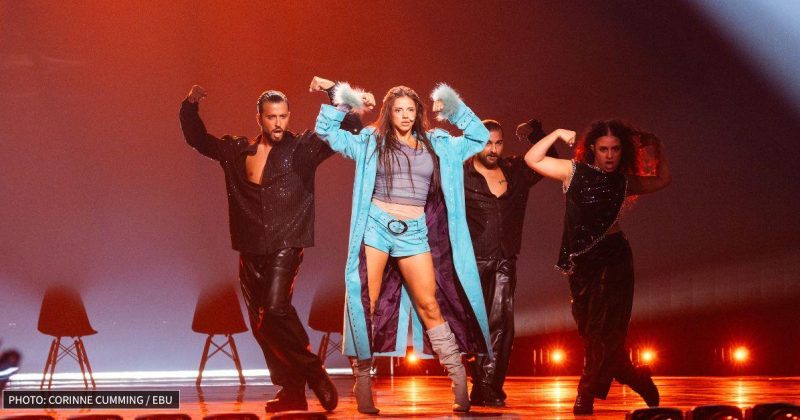
The National Final is expected to take place by January 30th, 2027, and will be broadcast live on TV Moldova 1 and the broadcaster’s online platforms. At this stage, contestants will perform their songs LIVE with television-ready stage productions. Each performance will be limited to six people on stage, including singers, instrumentalists and dancers.The winner will be determined through a combination of jury and public votes, with both components carrying equal weight: 50% for the national jury and 50% for the public. Both the jury and the audience will use the Eurovision points system, awarding 12, 10, 8 and 7 to 1 points. The points from the two rankings will be combined to establish the final results. In the event of a tie, the contestant receiving the most maximum scores from the jury will take priority. If the tie persists, the winner will be decided through an open vote among jury members.
Strict Rules For Songs and Performers
The regulations also establish several requirements for artists wishing to enter the competition. All songs must be original and must not have been commercially released or made publicly available before September 1, 2026. This restriction applies to both the music and lyrics, including partial releases on radio, television, streaming services or the internet. Each song must have a maximum duration of three minutes. Performers must also be at least 18 years old by the date of the first official Eurovision 2027 rehearsal. The lead vocalist and the majority of the members of a participating group must hold Moldovan citizenship. International collaborations are allowed, but foreign performers cannot account for more than 50% of the artists on stage, and their vocal contributions cannot exceed half of the song’s total duration. Artists can submit multiple songs to the selection. However, after the December 11 deadline, the melody and essential structure of their submitted compositions can no longer be changed. Applications must include the song’s audio file, original lyrics and an English translation, promotional photographs and an artistic presentation of the proposed stage performance. The latter must include costume sketches, a mood board, LED screen proposals and a lighting plan.
TRM Could Select Its Eurovision Representative Without a National Final
One of the more interesting provisions in the regulations concerns the possibility of cancelling the final stages of the selection. According to TRM, if the broadcaster decides not to organise the National Final, the contestant who receives the highest score during the LIVE auditions may be directly appointed as Moldova’s representative at Eurovision 2027. The broadcaster also reserves the right to modify the selection procedure in exceptional circumstances or, for objectively justified reasons, decide not to appoint a representative at all. Selected artists will be required to participate in all rehearsals, promotional activities, filming sessions, photo shoots and press conferences organised by TRM. They will also need the broadcaster’s prior approval before giving interviews or appearing at public events primarily dedicated to Eurovision 2027. Contestants who withdraw without justified reasons after the final results have been confirmed will face a two-year ban from future Moldovan national selections.
Moldova at Eurovision: A Distinctive Musical Identity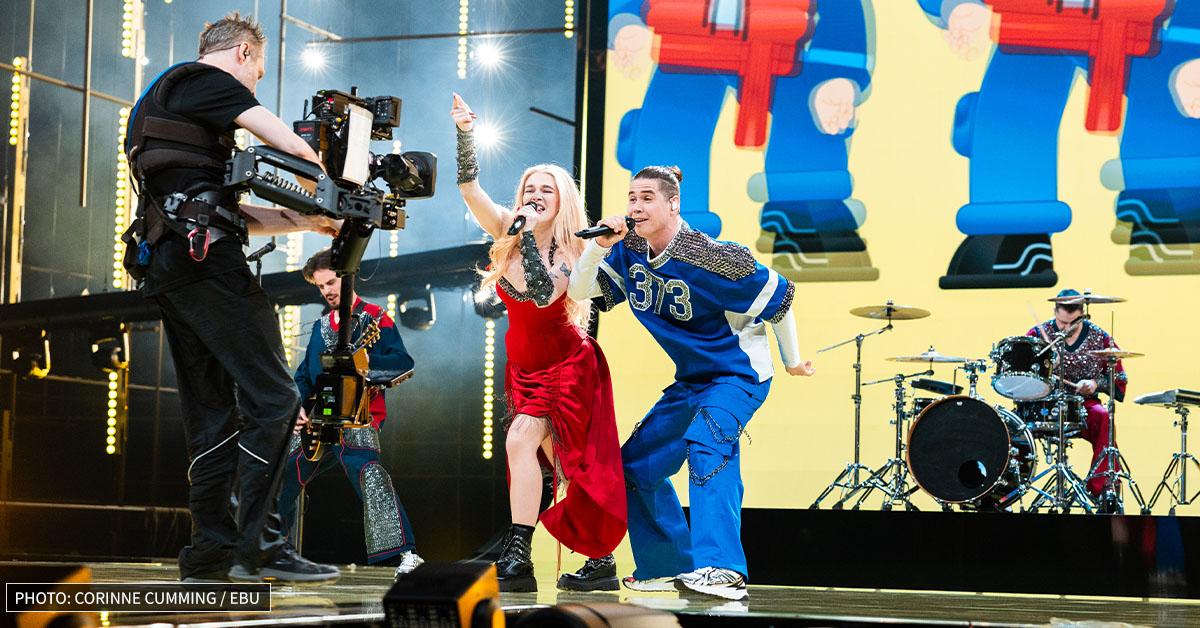
Moldova has participated in Eurovision 20 times but has never won. In 2020, Natalia Gordienko was due to compete with “Prison”, but her participation was cancelled due to the COVID-19 pandemic. Moldova returned the following year.
Moldova was absent from Eurovision for the first time in its history in 2025, but has achieved several impressive results over the years. For its debut in 2005, the country sent Zdob și Zdub with “Boonika bate doba” (in English: “Grandma Beats the Drum”), finishing sixth. Moldova has since experienced ups and downs, with its best result coming in 2017, when Sunstroke Project finished third with “Hey Mamma”.
Moldova is known for its distinctive musical identity and its incorporation of folk music and local traditions into its entries. This was particularly evident in 2005, 2009, 2012, 2018, 2022-2023 and 2026, when the country qualified for the Grand Final. Over the years, ethnic sounds and energetic stage performances have become defining features of Moldova’s entries.