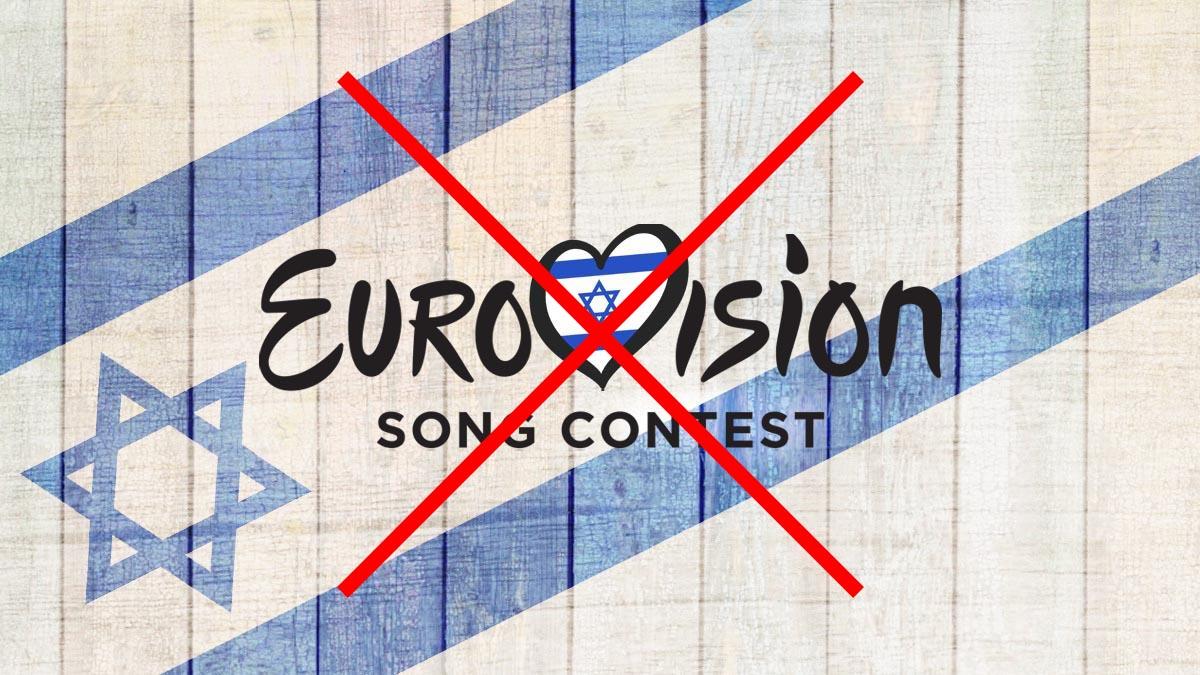
A Spanish poll reveals: 62% of viewers believe the Eurovision 2025 vote was manipulated, 76% demand the abolition of public voting, and 58% support excluding Israel from the contest.
A new survey conducted after the Eurovision Song Contest 2025 final in Basel reveals that 62.3% of Spanish viewers believe the public vote was rigged or manipulated. The data, published by the CIS (Spanish Center for Sociological Research), points to unprecedented distrust in the voting mechanism and raises questions about the legitimacy of the winner selection process in Eurovision – the largest and most-watched music event in Europe.
Implications: Public Distrust, Calls for Reform, and Political Tensions
The far-reaching implications of the survey extend beyond criticism of the voting system. In Spain, 76.2% of viewers support abolishing the public vote entirely following Israel’s victory, and more than 79% demand an external audit of the voting mechanism by the European Broadcasting Union (EBU). The sharp criticism comes amid growing political trends within the contest: 58% of Spanish viewers supported the message from the Spanish national broadcaster RTVE advocating for human rights and justice for Palestine, which was broadcast live.
Additionally, 58.3% of respondents believe Israel should be disqualified from the contest – a stance reminiscent of the decision to exclude Russia following its invasion of Ukraine.
Behind the Numbers: Spain, Melody, and Public Outcry

The public outcry in Spain is not limited to Israel, but also concerns the local representative, Melody, who finished in a disappointing 24th place. 68% of viewers claim the voting was unfair to her, and 65.5% continued to follow related discussions on social media and in the press for days after the final. This phenomenon illustrates how Eurovision has long since become a broad cultural and social event, where every decision – musical or political – becomes a subject of heated public debate.
Global Trends: Politics, Transparency, and Technology
Criticism of the voting mechanisms is not unique to Spain. In recent years, many countries – including Belgium, Slovenia, and Ireland – have called for greater transparency and external oversight. They argue that while digital technology enables rapid and widespread voting, it also opens the door to manipulation, bots, and concerns over result tampering.
On the Ground: Eyes on the Stage, Hearts Online
Over the years, I have watched dozens of Eurovision contests, and each time it is clear how emotionally invested the Spanish audience is in the voting results. In conversations with Eurovision fans and experts from Spain, a sense of disappointment and anger was evident, especially when a local representative is perceived as a “victim” of an unfair system. This year, these feelings intensified due to the combination of political controversy, social media storms, and a lack of perceived control over the process.
Future Impact: Eurovision 2026 – What Lies Ahead?
 The current uproar is expected to influence the planning of Eurovision in the coming years. The EBU has already announced it will review the voting mechanisms, and among fan communities across Europe, the demand for transparency and public involvement is growing. The EBU has also promised to discuss Israel’s participation in the next Eurovision.
Will we see a different, more transparent, and technology-driven contest in the future? Is there a chance that the EBU will decide to disqualify Israel from the competition? Time will tell – but one thing is certain: Eurovision continues to captivate millions, and the debates surrounding it only enhance its status as the continent’s most significant cultural event.
Spain in Eurovision 2025
“Esa Diva” (in English: “That Diva”) is the title of the song performed by singer Melody, who represented Spain at Eurovision 2025 in Basel, Switzerland.
Spain finished 24th with 37 points – 27 points from the juries (21st place) and only 10 (22nd place) from the televotes. In the last 20 years, Spain managed to finish only 3 times in the top 10.
Eurovision 2025: This was Spain’s 65th participation in Eurovision. Spain joined the competition in 1961 and won it twice consecutively in 1968 and 1969. Spain has hosted the contest on its territory only once in 1969 and since then holds the longest waiting time since its last victory – 56 years.