During a tense Geneva conference, lawyer Ayala Mizrahi from national broadcaster Kan revealed details of the debate
On Thursday, a pivotal discussion regarding Israel’s participation in Eurovision 2026 took place, followed by a vote on the new regulations of the EBU. Representing Israel were the national broadcaster’s CEO Golan Yochpaz and Deputy CEO for Regulation, lawyer Ayala Mizrahi. They presented Israel’s position – which was ultimately accepted – before delegates from 68 member states at the General Assembly in Geneva, Switzerland. The meeting concluded with a decision approving Israel’s participation in Eurovision 2026.

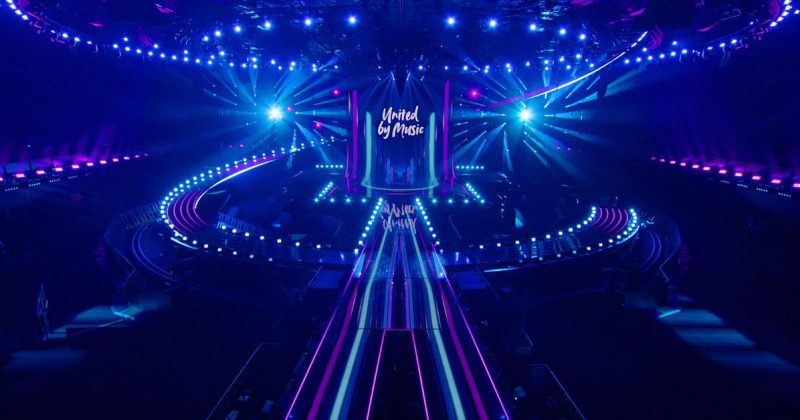

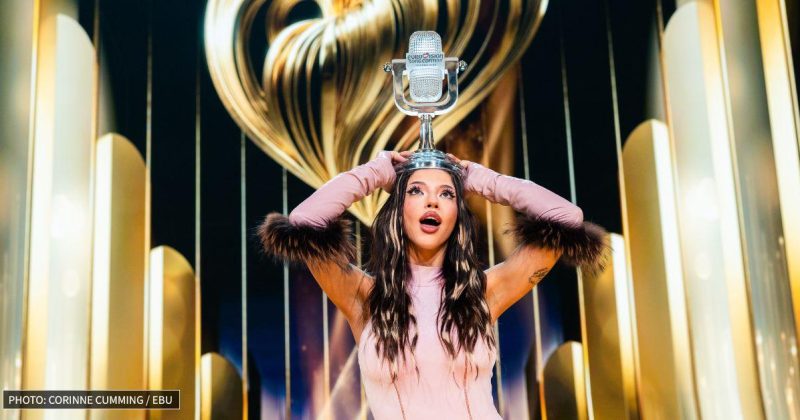




Tense atmosphere at the EBU General Assembly
In an interview for the program “Kalman Lieberman” on Kan News, Mizrahi described the atmosphere she experienced as Israel’s representative facing delegates from countries leading the call to exclude Israel from the contest.
“It was absolutely crazy”, Mizrahi recalled. “We arrived a day earlier, even though we’d been in contact with broadcasters for months. The atmosphere was very tense, very hostile”. She added that many Arab countries that normally do not attend the conference showed up specifically to take part in the discussion on Israel. The defining moment of the assembly came when the Israeli delegation was given the floor: “It was like November 29th all over again – Arab delegates stood up, some left the room as we began to speak. We were the elephant in the room. There was no doubt – the debate was about Israel”.
Europe divided over cultural boycott
Once given the opportunity to speak, the Israeli delegation explained to representatives of all 68 member broadcasters why Israel’s participation should not be restricted: “We told them this is an illegitimate cultural boycott – It may start with us today, but no one knows where it will end”. Mizrahi noted that countries supporting Israel’s participation defended the delegation and expressed concern over future scenarios where other nations involved in geopolitical conflicts could also be excluded – following the same logic pushed by Slovenia, Spain, Ireland, and the Netherlands.
Mizrahi confirmed that Austria, Germany, Sweden, France, Greece, Malta, and Cyprus supported Israel’s participation. She added that the last three even sent senior national broadcaster officials to express their support in person.
Governments’ involvement behind the boycotts
In her interview, Mizrahi stressed that the boycott was not merely a decision by broadcasters but rather “comes from above” – reflecting direct governmental influence in countries known for their relatively anti-Israel stance. She noted Spain’s government involvement, including its Prime Minister and Minister of Culture, in encouraging the boycott; Slovenia’s participation in the lawsuit against Israel at the International Court of Justice in The Hague; and Ireland’s deeply rooted anti-Israel sentiment that has existed for decades.
At the end of the conference, it was confirmed that the new rules adopted by the EBU will take effect in the upcoming contest, keeping Israel in the competition. In response, the Netherlands, Ireland, Slovenia, and Spain announced they would boycott Eurovision 2026 due to Israel’s participation.
Israel at Eurovision 2025
“New Day Will Rise” is the song performed by Yuval Raphael, who was chosen to represent Israel after winning the 11th season of “HaKokhav HaBa”. Israel advanced to the final after winning the second semi-final with 203 points and finished second overall with 357 points in the grand final. Israel ranked first in the public vote but only 14th with the jury. This marks the third consecutive year that Israel has reached the top five – an unprecedented achievement.
Eurovision 2026: This will be Israel’s 48th participation in Eurovision. Israel joined the contest in 1973 and has won four times. Its most recent victory was at Eurovision 2018 with the song “Toy”, performed by singer Netta Barzilai.

Email: [email protected]
Phone: +972-50-9441919
Maor Heumann has been writing about the Eurovision Song Contest and following it for over three decades. He has attended five contests and has found something to appreciate in almost every possible musical genre — from the sugary pop entries that finish last in the semi-finals to the quirky avant-garde pieces that even the competition’s juries struggled to connect with. He usually prefers original languages and songs with depth over Swedish-produced English clones — though he doesn’t promise to stick to that rule.
He grew up on the kibbutz of Sara’le Sharon, who instilled in him a love for music and created his first connection to the contest back in 1993 — before most of the current editorial team was even born.