From Loreen and Dana International to Alexander Rybak and Vanilla Ninja, the wave of returning Eurovision artists is breaking records. Why are the gaps between appearances shrinking, who triumphed in 2026, and who got zero points live on air?
Eurovision’s stage is a magnet that is hard to resist. Once you taste the energy of the crowd, the insane global exposure and the well‑oiled publicity machine, the so‑called Eurovision “bug” sticks and does not let go. Ahead of Eurovision 2026, which will be held in Vienna, we are once again witnessing a wave of former participants trying their luck. But history – and the present – shows that a comeback is a gamble that can end in an epic victory or a spectacular crash. From a trend of comebacks spaced by decades, to rapid returns within a year or two, we dove into the successful comebacks of the past and the failed attempts of Eurovision 2026.





Why They Come Back? (and Why the Gap Has Shrunk)
 If we look back, the big comebacks of the past usually happened after a break of a decade or more. Artists returned from a place of maturity, or in an attempt to revive a fading career. Dana International waited 13 years between the historic win in 1998 and the painful return in 2011, where she failed to qualify for the final. Carola from Sweden waited eight years between her first appearance (1983) and her victory (1991), and another 15 years until her comeback in 2006.
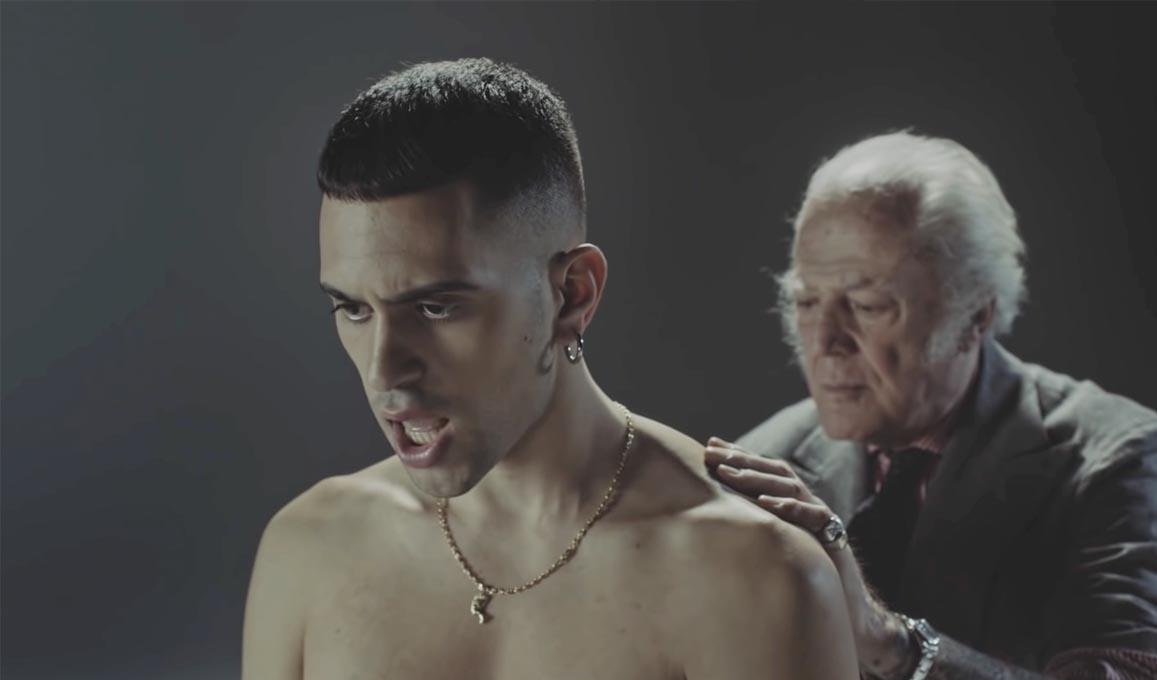
Today, the rules have changed. The gap keeps shrinking, and some artists return after just one or two years. That is the case with Italian singer Alessandro Mahmood, who returned after three years, or Lithuanian singer Monika Linkytė. The main driver behind this acceleration is social media platforms such as TikTok and Spotify. Eurovision has evolved from a television festival into the strongest single‑launch platform in the world. The motivation usually falls into two categories: fixing a failure, when artists who did not qualify for the final want to prove themselves again, versus chasing the summit, when artists who were very successful – or even won – feel they can leverage the momentum into another massive hit. That is what happened with Loreen, who returned after 11 years and won again, just like Johnny Logan did in 1980 and 1987.
The Success Stories of 2026: Who Have Already Packed for Vienna?
 This year, the trend brings us several remarkable comeback stories that have already secured their place in the contest:
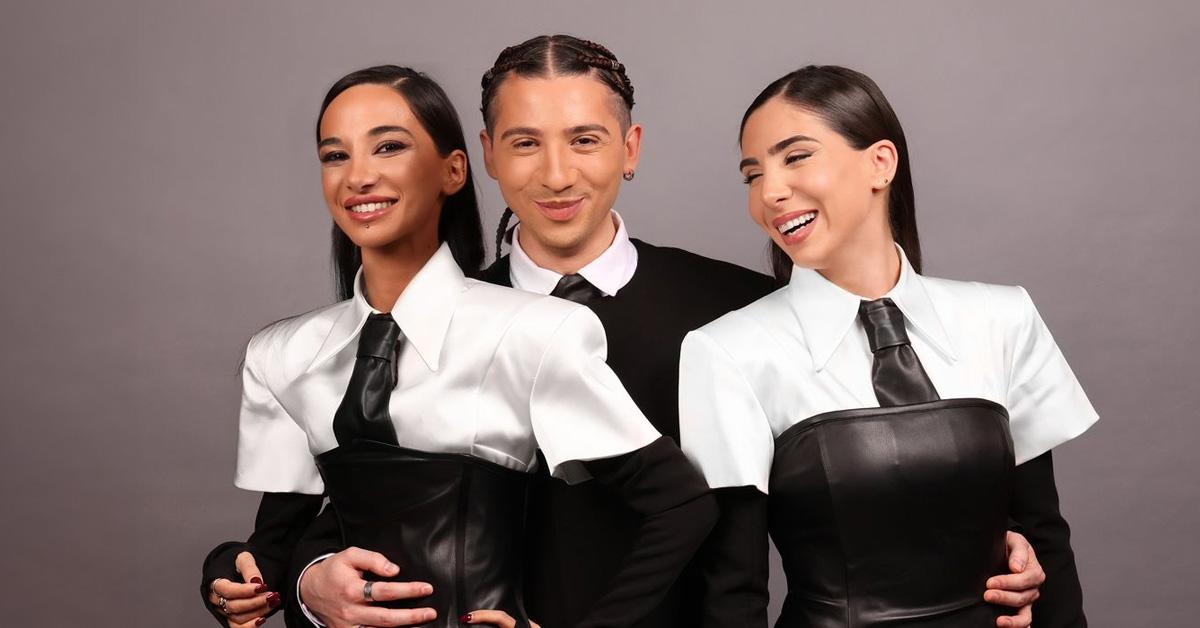
- Vanilla Ninja (Estonia): The girl band, which in fact represented Switzerland in Eurovision 2005 and finished in the top 10, decided that the time had come to represent their homeland. This month they competed in “Eesti Laul” with the song “Too Epic To Be True” and won by a landslide. 21 years have passed, and they are returning to the big stage.
- From kids to adults – Bzikebi (Georgia): The group made history when it won the Junior Eurovision Song Contest in 2008. Now, as adults hungry for the main stage, they have been chosen to represent Georgia at Eurovision 2026. It is a comeback that emotionally closes a full circle.
-
Aliona Moon (Moldova): The singer who represented Moldova as a soloist and delivered an unforgettable performance with the rising dress in 2013 is returning this year from a much more modest position. She will provide backing vocals for singer Satoshi, who won “Selecția Națională 2026”.
The Painful Crashes of 2026
Just as Alexander Rybak discovered in 2018, when he won his semi‑final but crashed to 15th place in the final, the audience does not vote out of nostalgia. This year too, we have seen painful disappointments in the national finals:
 The rapid return that went wrong – Sissal (Denmark): Just last year, in 2025, the singer from the Faroe Islands, Sissal, broke Denmark’s five‑year non‑qualification curse when she took the country back to the grand final with the hit “Hallucination”. This year, in an almost unprecedented move of an immediate return, she once again entered the “Dansk Melodi Grand Prix” with the song “Infinity”. Although she was an overwhelming favorite among online fans, with around 60% support in polls, she suffered a bitter disappointment when she finished only third in the final and watched Søren Torpegaard Lund snatch the ticket to Vienna.
- Zero points on live TV – Andrea Demirović (Montenegro): Andrea made history in 2009 as the first woman to represent an independent Montenegro. Last December, she returned to the local selection (Montesong), hoping for a dazzling comeback with her song “I Believe”. The result was especially brutal: a tie for last place, with a round zero of points from both the jury and the public.
-
Ciro De Luca (Romania): In 2007 he finished 13th in the final as part of the group Todomondo. This year he tried again with a new song, only to find out that the Romanian committee did not even include him among the 12 finalists. It was a particularly harsh door slammed in his face.
-
EMMY (Norway/Ireland): The singer, who represented Ireland in Eurovision 2025, wanted to return immediately, this time through “Melodi Grand Prix“. Her dream ended when she lost a duel vote to local act Skrellex, proving that international experience does not always beat the home audience.
Still in the Race: Tension at Its Peak
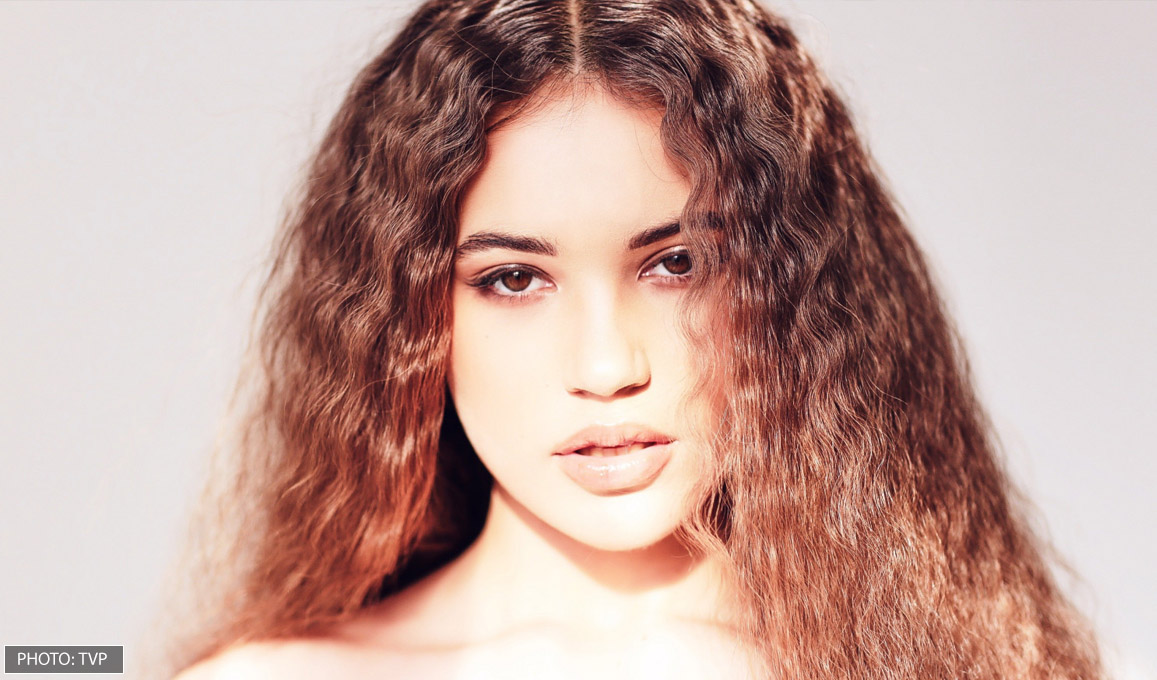 The 2026 national‑final season is not over yet, and two huge names are still fighting for their ticket, each carrying a very different, highly dramatic unfinished business story on their shoulders. Alicja Szemplińska (Poland) is not exactly attempting a classic comeback, but rather trying to claim what was taken from her. She was chosen to represent Poland at Eurovision 2020 with the song “Empires”, but the contest was cancelled due to the Covid‑19 pandemic, leaving her without her moment on the big stage. Now she returns to the Polish final with the song “Pray”, driven by a burning sense of missed opportunity and a deep desire to close one of the most frustrating circles in the contest’s history. Opposite her stands Alexander Rybak, who is trying his luck for the third time in Norway’s “Melodi Grand Prix”, which will be held on Saturday, February 28th. Rybak, who smashed every record in 2009 with “Fairytale” and returned in 2018 to a relatively disappointing result (15th place in the final), embodies the Eurovision “bug” more than almost anyone else. While some fans are ecstatic over the return of the violin‑playing wonder boy, social media is already full of tough questions: is he chasing the ghosts of past glory instead of making room for a younger generation, and will this third attempt turn him into a legend of the contest – or its tragedy?
The History Books: When a Comeback Ends in a Trophy – or in Heartbreak
 The pages of Eurovision history are full of stories about artists who managed to crack the formula twice and achieved global fame. The undisputed king of comebacks is, of course, Irish singer Johnny Logan, who won in 1980 with the song “What’s Another Year” and returned in 1987 to take first place again with the song “Hold Me Now” (he even added another win as a songwriter in 1992). In the current decade, Swedish star Loreen set a new standard. Eleven years after she won with the song “Euphoria” in 2012 and changed the face of the contest, she returned in 2023 with the song “Tattoo” and became the first woman in history to win Eurovision twice. The club of successful returnees also includes Swedish singer Carola (who competed in 1983, won in 1991 and returned to the top 5 in 2006. and Irish singer Linda Martin, who finished second in 1984 and won in 1992.
On the other hand, for every Loreen or Johnny Logan, there is a long line of artists who discovered the hard way that the audience at home does not preserve eternal gratitude. German singer Lena Meyer-Landrut, who won by a landslide in 2010 with the hit “Satellite”, tried to ride the wave and returned to compete immediately the following year (2011), only to end up in a lukewarm tenth place. Irish twins Jedward sent Europe into a frenzy in 2011 and reached eighth place, but when they tried to recreate the magic a year later they crashed to 19th place in the final. And no discussion of multiple comebacks is complete without mentioning Valentina Monetta, San Marino’s representative who set a record with four different appearances in the previous decade (2012, 2013, 2014 and 2017, the last one alongside Jimmie Wilson), but managed to qualify for the final only once and finishing 24th. The historical conclusion is clear: in Eurovision, past glory may help your PR, but once the song starts, it does not guarantee you even a single “douze points”.
Eurovision 2026: the 70th edition of the contest will take place in Vienna, Austria, on May 12th, 14th, and 16th, 2026. The Wiener Stadthalle arena, which will host the event, is expected to accommodate around 16,000 spectators per show. The contest returns to Austria following the nation’s third historic win with the song “Wasted Love”, performed by JJ. It will be Austria’s third time hosting Eurovision, after previous editions held in the country in 1967 and 2015.

Email: [email protected]
Phone: +972-50-9441919
Ilay Gaist is a leading Israeli content creator and writer specializing in the Eurovision Song Contest. He is a well-known commentator with extensive expertise in the contest’s history, rules, and dynamics. His passion for Eurovision drives him to deliver rich, professional, and innovative content to his audience.
Ilay holds a bachelor’s degree in Arabic and has a multilingual background. He also engages in cultural research, with a particular focus on global culinary traditions and the evolution of local cuisines around the world.