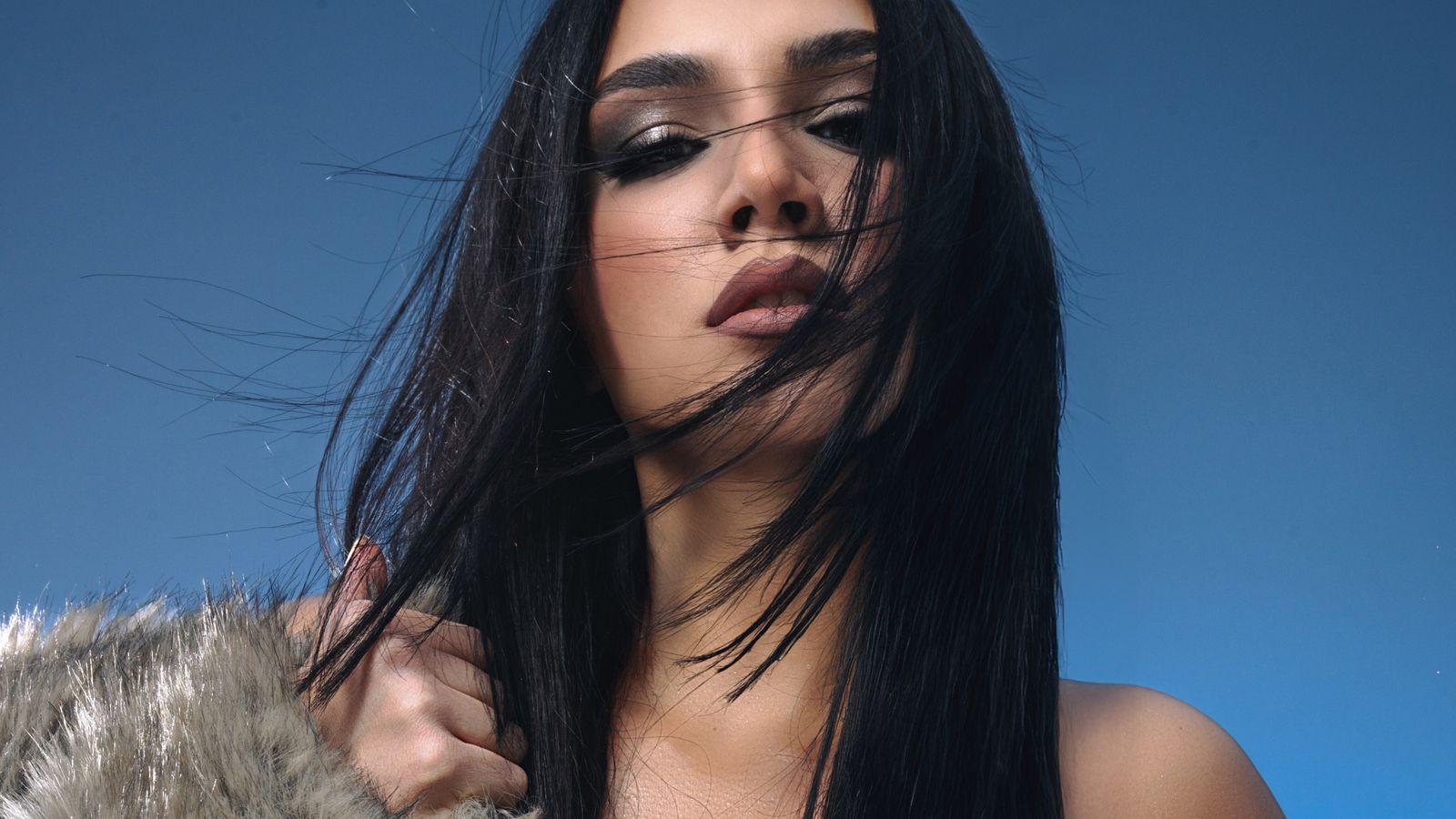
The Montenegrin national broadcaster announced it will reveal the Eurovision version of “Nova Zora” by Tamara Živković on March 8th
The Montenegrin national broadcaster, RTCG, has announced that the final version and the official music video for the Montenegrin representative for Eurovision 2026, Tamara Živković, will be unveiled on International Women’s Day tomorrow, Sunday, March 8th. This follows her recent statement where she affirmed: “I will perform my song ‘Nova Zora’ in Montenegrin without any changes to the song’s language”. The revamped track will be released on this date across various streaming platforms, including the official Eurovision YouTube channel, at 2pm CET.





A Coincidence?
In an interview with the Montenegrin national broadcaster RTCG, she shared: “The release of the music video and the final version of my Eurovision song on International Women’s Day was planned in advance to further emphasize and strengthen the song’s message, which speaks of respect and female empowerment, and describes a process of personal awakening and liberation. The song ‘Nova Zora’ is intended to support, help, and encourage women who struggle in their daily lives to stand behind their decisions without anyone telling them what to do or how to maintain their lifestyle”.
What Are the Expected Changes?
Živković continued to share in the same interview: “While working on the final version of the song, the team listened to the audience’s feedback and the various reactions on social media, keeping the song in the Montenegrin language, just as I performed it in the Montenegrin national selection ‘Montesong 2026’”. She added: “The core concept of the song will be preserved but in an improved version, tailored specifically for the Eurovision performance, and the production of the track will be more convincing and compact”.
Tamara Živković – Who Are You?
 Tamara Živković is a Montenegrin musician who burst into the Eurovision fan scene last year when she replaced a withdrawn artist in the national pre-selection “Montesong 2024″.
Following that withdrawal, she sought to represent Montenegro in 2025 with the song “Poguban Let”. Despite being one of the fan favorites, she eventually reached ninth place. This year, competing again with “Nova Zora”. she entered as a leading contender — and ultimately won the national selection. Over the past year, she has released several singles that, unfortunately, did not achieve significant commercial success.
Montenegro in Eurovision 2026
“Nova Zora” (in English: “A New Dawn”) is the song to be performed by Tamara Živković, representing Montenegro at Eurovision 2026 in Vienna, Austria on May 12th, 14th and 16th. The track was written by Boris Subotić, the notable composer behind last year’s Montenegrin entry “Dobrodošli”, and co-produced with Marko Drežnjak.
The song “Nova Zora” is a dramatic female empowerment anthem, depicting a journey of awakening and liberation from a stifling and toxic relationship. The protagonist refuses to be redefined, choosing strength over submission. Through vivid imagery of storms, rain, and fire, the lyrics portray emotional upheaval leading to rebirth – a “new dawn” symbolizing freedom, independence, and self-renewal.

Email: [email protected]
Phone: +972-50-9441919
Maor Heumann has been writing about the Eurovision Song Contest and following it for over three decades. He has attended five contests and has found something to appreciate in almost every possible musical genre — from the sugary pop entries that finish last in the semi-finals to the quirky avant-garde pieces that even the competition’s juries struggled to connect with. He usually prefers original languages and songs with depth over Swedish-produced English clones — though he doesn’t promise to stick to that rule.
He grew up on the kibbutz of Sara’le Sharon, who instilled in him a love for music and created his first connection to the contest back in 1993 — before most of the current editorial team was even born.