Albania’s Eurovision 2026 representative, Alis, shares new insights into his song’s meaning, music video, emotional impact, and early details about his highly anticipated performance in Vienna.
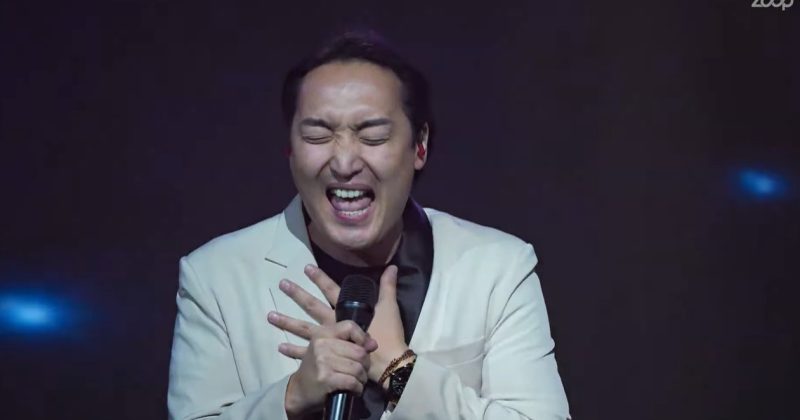
In a new interview with the national broadcaster RTSH, Albania’s representative Alis spoke about his preparations for Eurovision 2026, where he will compete in the second semi-final on May 14. As a reminder, Alis was among the first artists selected for Eurovision 2026 after winning the Albanian FiK festival in December with his song “Nân” (Hebrew: “Mother”). The song was written about Alis’s mother, who also appears in the music video. Will his mother also take part in the performance on stage in Vienna? More details follow below.



A Message Resonating Across Europe
As mentioned, the emotional song was written about Alis’s mother, but also serves as a universal message to mothers and children. According to a post he shared on social media, “Nân” touches on a universal feeling of longing—for departures, for a door left open when no footsteps echo in the hallway, for mothers waiting at the threshold, and for homes filled with silence as summer fades. The audience, he said in the interview, helped him realize that the song speaks beyond his personal story: “I realized that this longing belongs to many people – to mothers, to children, to families living apart.”
He also described the overwhelming response he received following his victory in the Albanian selection: “Beyond Albanians, it reached outside Albania as well. I received messages that left me speechless. The experiences people share with me in different ways… I am grateful.”
The Filming Process
Alis shared insights into filming the music video alongside his mother: “I presented the vision, or the sensitive points I wanted to cry out. I am happy because the goal of this song was to keep it artistic, elegant, and not visually heavy.” He added: “In this video, we wanted to show the waiting and the absence. We wanted to present it in the most elegant way, so as not to shout that pain in a way that would make the video difficult to watch. The most important detail is that the mother figure dominated.”
He also spoke about the emotional collaboration with his mother during filming: “Mom didn’t believe me, she asked, ‘Are you sure?’. I told her that in the most important part of the song, I want it to be you. Mom was very emotional, but she came and honored us in the video.”
Finally, Alis offered a small teaser regarding the staging of his Eurovision performance in Vienna, raising new questions and perhaps hinting at what lies ahead: “It will be different from the FiK performance, but there will be some very exciting artistic elements. Will Mom be on stage? Maybe…”
Alis Kallaçi – Who Are You?
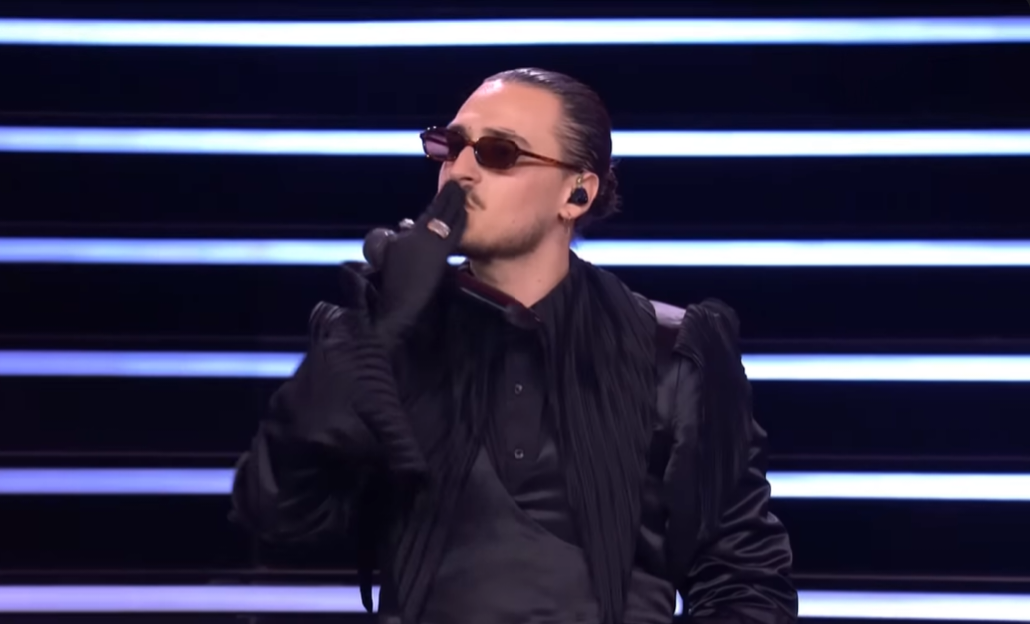
Alis Kallaçi is a 22-year-old Albanian singer and songwriter who rose to public prominence in 2024 when he was crowned the winner of the Albanian version of the reality show “X Factor Albania”. During the competition, Alis was part of the team coached by singer Arilena Ara, who was set to represent Albania in Eurovision 2020. The professional bond between the two led to the successful duet “Se të dua“, released after his victory.
For Alis, this is not his first experience in the national selection. He made his debut at “Festivali i Këngës” last year, where he achieved a respectable third place with the song “Mjegull” (in English: “Mist”).
This year, he returned to the competition and secured the win with the song “Nân” (in English: “Mother”), on an evening where his mentor served as the host – closing an emotional circle.
Albania at Eurovision 2026
“Nân” (in English: “Mother”) is the song that will be performed by the singer Alis, who will represent Albania at Eurovision 2026 in Vienna, Austria, on May 12th, 14th, and 16th. The song was written by Desara Gjini and composed by the singer himself. This is the creators’ first entry in the competition, and it is performed in the Albanian language.
The song “Nân” is a moving ballad portraying an Albanian mother parting from her children as they leave in search of better lives a painful and widely recognized theme across Balkan societies. The lyrics hauntingly describe the illusions of longing and loneliness: the mother imagines shadows running and hears laughter in the yard, but when she opens the window, no one is there.
At these days, Albania is ranked 31st in the betting odds.
Eurovision 2026: This will be Albania’s 22nd participation in the Eurovision Song Contest. Albania joined the competition in 2004 and achieved its best result in Eurovision 2012 when singer Rona Nishliu reached fifth place with the song “Suus”.