
Does a temporary withdrawal guarantee Eurovision success? Analysis of Dara, Alexandra Căpitănescu, and historical comebacks.
Dara led Bulgaria to its first-ever victory at Eurovision 2026 with the song “Bangaranga”, following the country’s return from a hiatus. This victory has sparked speculation: could the secret to winning the Eurovision Song Contest be making a surprise comeback after a temporary withdrawal? An analysis of historical data reveals how various countries performed spectacularly upon their return, contrasted with others that failed to achieve success over the years.


A Brief Hiatus and a Top 10 Placement?

Eurovision 2026 serves as proof that nations like Bulgaria, Moldova, and Romania – which returned to the competition after withdrawing primarily due to financial reasons – re-entered the contest with full force, each securing a spot in the top ten.
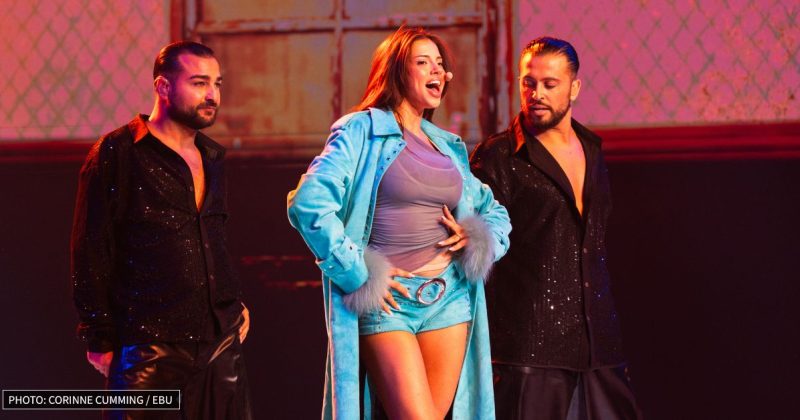
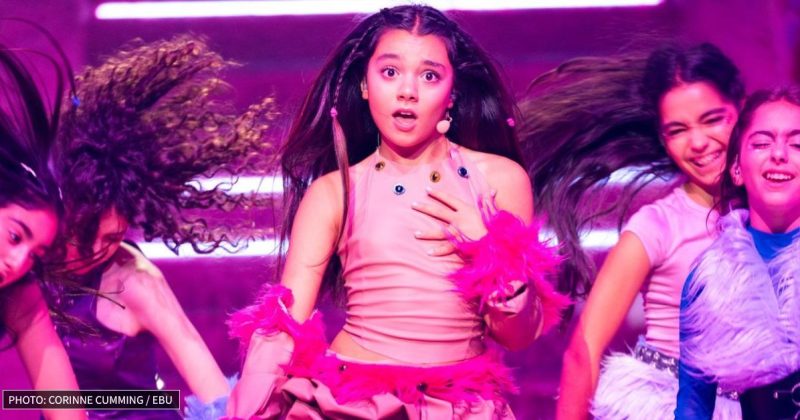
Romania, for instance, withdrew from Eurovision 2024 due to financial difficulties faced by the Romanian national broadcaster, TVR. After a two-year absence, Romania decided to return, achieving a respectable third place in the Grand Final thanks to Alexandra Căpitănescu, who represented the country this year with the song “Choke me”.
Additionally, Moldova decided to withdraw from the competition last year, despite having already set a date for its national selection final. Moldova also managed to surprise everyone upon its return when Satoshi was selected to represent the nation. He led Moldova with high-energy vibes to an eighth-place finish in the Grand Final with the song “Viva, Moldova”, despite the financial, administrative, and artistic challenges faced on the road to their comeback.
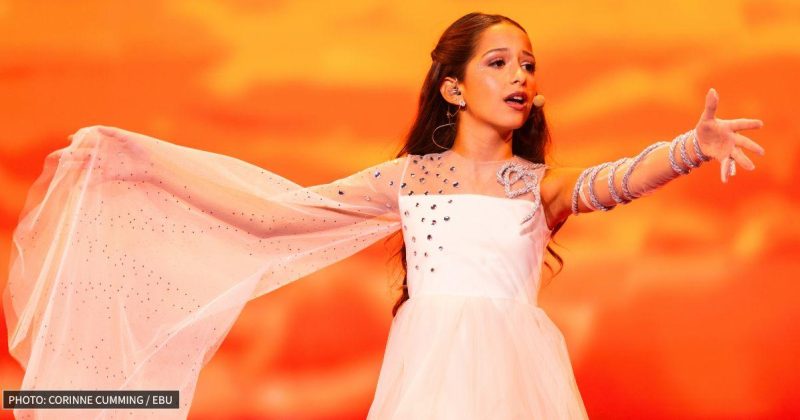
It is impossible not to mention Dara, who conquered the summit with a historic victory for Bulgaria after the country previously decided to withdraw from Eurovision 2023 due to difficulties in meeting the high costs of the contest and other financial reasons.
From Withdrawal to First Place

Bulgaria is not the only country to leave a trail of victory behind after a break from the competition. Throughout Eurovision history, many nations have managed to shock audiences and claim first place immediately following a dramatic withdrawal.
Ukraine, one of the most prominent countries in the Eurovision Song Contest, decided to withdraw in 2015, primarily due to political and security crises at the time. Despite these hardships, Ukraine maintained an interest in returning the following year and competed in Eurovision 2016. Ultimately, Jamala secured another dramatic victory for her country with the song “1944”.
Another country that followed in Ukraine’s footsteps by withdrawing and returning a year later with an intent to win is Portugal. The nation decided not to participate in Eurovision 2016 due to a prolonged lack of success and repeated failures to qualify for the Grand Final. In 2017, Portugal announced its desire to return to the contest, intent on proving its critics wrong. The country demonstrated to all of Europe and the world that it, too, could lift the coveted trophy. This became a reality when Salvador Sobral delivered a historic first victory for his nation with the song “Amar Pelos Dois” (in English: “To Love for Both of Us”).

 Alongside countries that withdraw and return within a short span of one, two, or three years, several nations have decided to rejoin after extensive absences. This often creates a sense of anticipation and nostalgia among the audience, who tend to get excited about the return of countries that dropped under the radar, ultimately generating significant media hype due to their surprising and unexpected comebacks.