IOC has lifted the ban that prevented Russia from participating in the Olympic Games. Will we see Russia participating in Eurovision 2027 in Bulgaria?
For the first time since 2022, the International Olympic Committee has lifted the restrictions imposed on Russia, which had prevented Russian athletes from competing under their national flag at the Olympic Games and dealt a significant blow to Russian sport. Russia had originally planned to participate in the Eurovision Song Contest 2022 in Turin, Italy, but was forced to withdraw after numerous participating countries threatened to boycott the contest, leading to the suspension of Russia’s membership in the European Broadcasting Union (EBU).
Following the IOC’s decision, many Eurovision fans have begun asking the same question: could the European Broadcasting Union also lift its suspension, restore Russia’s membership, and allow the country to compete in Eurovision 2027?
Martin Green Firmly Denies Any Discussions
Martin Green, the Eurovision Song Contest Director, made it clear in May, shortly after Eurovision 2026 concluded in Vienna, that no discussions are taking place regarding Russia’s return to the contest.
In an interview, Green sought to put an end to inaccurate reports published by several media outlets that had sparked widespread speculation. According to him, it was essential to clarify the situation to prevent the public from being misled, as there is currently no initiative or official negotiations within the European Broadcasting Union concerning Russia’s return.
The speculation began after comments Green made in an earlier interview with journalist Pablo O’Hana, in which he explained that, in theory, Russia could return to Eurovision at any time, provided that its national broadcaster complied with EBU membership rules. Green clarified that Russia’s suspension in 2022 was not imposed directly because of the invasion of Ukraine, but because of government interference in public broadcasting, which violated the EBU’s statutes. That clarification led to numerous headlines suggesting that the door was “open” for Russia’s return – a conclusion Green has since strongly rejected.
Since then, the European Broadcasting Union has not revisited the issue. However, following the International Olympic Committee’s decision to lift its restrictions on Russia, speculation has once again emerged within the Eurovision community that the EBU could eventually follow suit.
Analysis: Caution, Political Mud!
Some people believe that the European Broadcasting Union will eventually follow regional and international institutions, including the IOC, and allow Russia to rejoin and return to Eurovision 2027. In my view, however, the EBU remains years away from such a decision, and many of its officials would rather avoid the issue altogether – especially this year.
From 2024 until this year, the EBU found itself mired in controversy surrounding Israel’s participation. It began with pro-Palestinian demonstrations in Malmö, continued with criticism and political tensions surrounding the contest in Basel, and evolved into months of debates, organizational pressure, and public protests. The cycle ultimately culminated in the withdrawal of five countries from the 2026 competition before the contest itself proceeded in relatively calm circumstances. Now, the EBU appears focused on restoring stability. Its priorities include encouraging countries that previously withdrew from Eurovision to return while also attracting new participating nations. Canada has already joined the competition, and additional newcomers may follow in the coming years.
Bringing Russia back into the contest at this stage would only create further instability and achieve the opposite of what the EBU is currently trying to accomplish. The Nordic countries, Ukraine, the Baltic states, and Poland would be unlikely to accept such a move quietly, and some could even choose to withdraw. Eurovision’s image as an inclusive, welcoming, and progressive event could suffer significant damage, while many dedicated fans might turn away from the competition altogether.
For these reasons, I believe the European Broadcasting Union will continue to distance itself from the Russian issue, focus on expanding the contest with new participants, and leave both Russia and Belarus outside the competition for the foreseeable future. Political mud eventually dries, and it is entirely possible that both countries will return to Eurovision under different circumstances in the not-too-distant future. However, I do not see that happening in 2027.
Russia at Eurovision
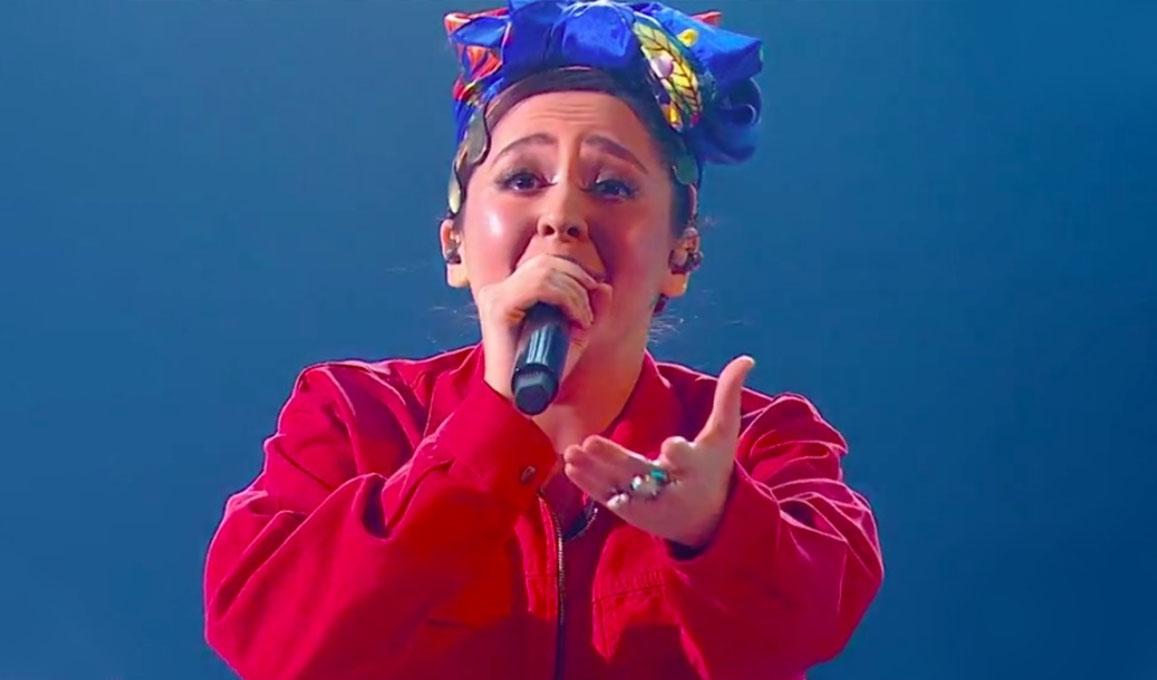
“Russian Woman” is the name of the song performed by Manizha in the second semi-final of Eurovision 2021. Russia reached ninth place in the Grand Final with 204 points. Russia has competed in the Eurovision Song Contest 24 times since joining the competition in 1994. To date, Russia has won only once, in 2008, with the song “Believe” performed by singer Dima Bilan. Russia has reached second place four times and third place four times. So far, Russia has failed only once to qualify for the competition’s final. In 2022, the European Broadcasting Union (EBU) decided to suspend Russia’s membership until further notice due to its invasion of Ukraine.
Eurovision 2021: This was Russia’s 24th participation in Eurovision. Russia joined the competition in 1994 and won it once, in Eurovision 2008 with the song “Believe” performed by singer Dima Bilan.