Hungarian Eurovision club MEKE sent an official letter to the Ministry of Culture demanding Hungary’s immediate return to Eurovision 2027.
Could the official announcement of Hungary’s return to the Eurovision 2027 stage be closer than ever? A dramatic development that could shake Europe is taking place these days in Budapest: following the historic political shift in Hungary and the end of Viktor Orbán‘s era of governance, which led in recent years to a retreat from active membership in European institutions, including the boycott of Eurovision, fans of the contest in the country are taking advantage of the change in government to bring about the longed-for comeback.
The Ministry for Social Relations and Culture in the new government recently launched a special initiative for professional and public consultation regarding the role of the Hungarian national broadcaster MTVA heading towards 2030. In response to the call, the leaders of the Hungarian Eurovision Club (MEKE) and the fan club OGAE Hungary drafted an official, detailed, and reasoned letter, sent directly to the Ministry of Culture and simultaneously released to the public.
The letter, titled “Hungary’s Immediate Return to the Eurovision Song Contest,” was signed by Imre Klész – President of MEKE and founder of eschungary.hu, Viktor Szűcs – digital expert and former Hungarian Eurovision delegation member, Péter Kerékgyártó – MEKE presidency member, and Zoltán Kunsági – President of OGAE Hungary and MEKE member, along with 15 other club members and industry opinion leaders.
“The Only Event Connecting Youth Like Football”
In their public letter, the club leaders address the Ministry of Culture and explain how Hungary’s return to Eurovision would solve the main issue of public service media today: the ability to appeal to the younger generation (Gen Z and Gen Alpha), provide quality entertainment, strengthen local culture, and elevate the country’s international prestige.
“It is well known that there are basically two things that can truly bring a nation together and unite it in front of the screens: sport and music. While prominent sporting events (like football matches) successfully move society, in the fields of culture and music, for the public media, Eurovision is the only international-scale event that can provide the youthful cohesion, community experience and outstanding viewership that football can.”
The authors of the letter emphasize that the Hungarian public’s interest in the contest has not waned at all, despite the country not participating for several years. They note that Eurovision performances regularly feature on the YouTube Trending list in Hungary and on the country’s Spotify Viral lists, proving that the local audience continues to follow closely. Additionally, they present international data showing that the competition reaches 160 million viewers worldwide, with an average audience share of 47%—soaring to nearly 60% among 15-24 year-olds.
The Seven Arguments for a Hungarian Comeback
To convince the government, the Eurovision club leaders detail a series of strategic, cultural, and economic benefits that would arise for Hungary from an immediate return:
-
Catalyst for the Local Music Industry: Inspired by successful national selections like Sweden’s Melodifestivalen, Italy’s Sanremo, or Finland’s UMK, a national national selection would become the most-watched content of the year. It would launch young singers and provide direct work for Hungarian songwriters, arrangers, directors, and choreographers.
- International Springboard for Hungarian Singers: Eurovision has become Europe’s most important springboard to an international career, global contracts, and overseas performances. Currently, the Hungarian market is blocked from this opportunity.
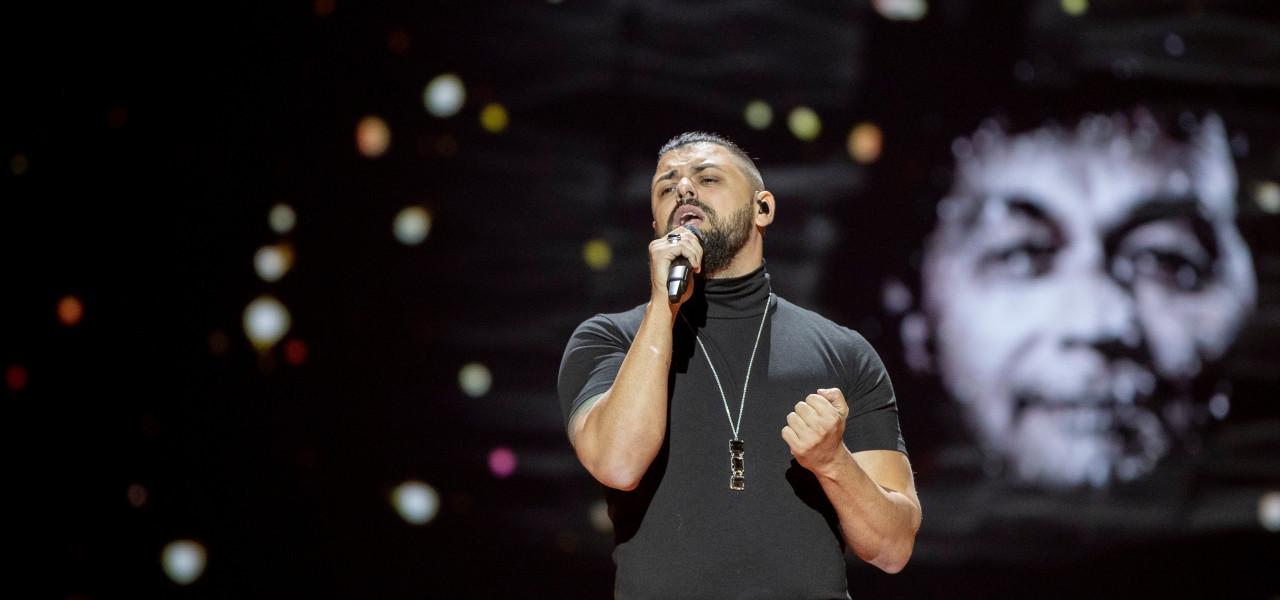
- Success in the Hungarian Language: Misconceptions about the necessity of singing in English have shattered in recent years. As former representatives ByeAlex and Joci Pápai proved, the Hungarian language and authentic elements are highly competitive on the international stage.
- Digital Opening of Public Media: Social media campaigns (TikTok, YouTube, and Spotify) around the contest would allow the national broadcaster to connect young people who do not watch linear television.
-
Cultural Diplomacy and Cost-Effective Country Image: Global media exposure and advertising value provided by the competition far exceed entry costs.
-
European Cultural Belonging: Returning to the contest would send a clear and positive message that Hungary is an active, open, and integral part of the continent’s musical lifeblood.
-
Quality Entertainment Without Tabloids: Production at the world’s highest technological and visual standards, delivering premium entertainment for families and youth.
“The Best Time to Act”
Concluding their decisive letter, MEKE leaders clarify that only the Hungarian national broadcaster has the right and authority to register for Eurovision:
“We are convinced that this unique opportunity is worth taking advantage of again in the interests of Hungarian culture, the domestic music industry, reaching young people and the future of public media. A broad social, professional and political consensus has now emerged on the issue of returning, so the timing of the step is currently the most favorable.“
As a reminder, Hungary withdrew from the Eurovision Song Contest after Eurovision 2019, and has since been absent from the international stage for political and internal reasons. Will public pressure bring about the longed-for change and an announcement of a comeback as early as Eurovision 2027? EuroMix will continue to monitor closely and update on all developments.
Hungary in Eurovision
Hungary last participated in Eurovision in 2019, represented by singer Joci Pápai with his song “Az én apám“. Hungary did not qualify for the final, the first time this had happened since 2009, and subsequently withdrew from Eurovision 2020, which was ultimately canceled.