
Two weeks before Eurovision Asia 2026, YouTube views and early betting odds reveal one country dominating the competition.
Screenshot: EBU
With exactly two weeks left until the big moment, excitement for Eurovision Asia 2026 is at its peak. Just before the artists take the stage in Bangkok for official rehearsals, it is the perfect time to pause and see what the audience truly loves. Currently, only eight of the eleven participating songs are available on Spotify, making YouTube the only reliable platform to compare all the competing entries.





YouTube Views and Daily Averages:
|
Country |
YouTube Release Date |
Total Views |
Daily Average |
|
Philippines |
Aug 30, 2026 |
1,648,002 |
26,580 |
|
Vietnam |
Oct 3, 2026 |
508,476 |
18,159 |
|
Malaysia |
Oct 16, 2026 |
223,809 |
14,920 |
|
Cambodia |
Oct 17, 2026 |
129,282 |
9,234 |
|
Laos |
Sep 24, 2026 |
296,299 |
8,008 |
|
Thailand |
Sep 27, 2026 |
261,793 |
7,699 |
|
South Korea |
Sep 4, 2026 |
341,102 |
5,984 |
|
Bhutan |
Aug 11, 2026 |
341,757 |
4,219 |
|
Mongolia |
Oct 18, 2026 |
49,923 |
3,840 |
|
Nepal |
Oct 7, 2026 |
77,303 |
3,220 |
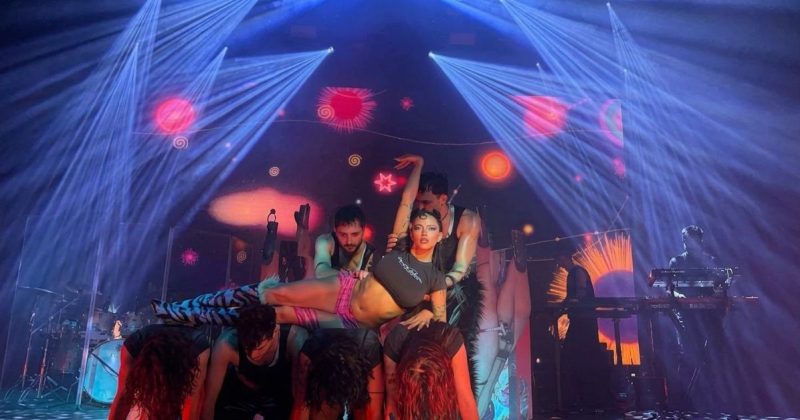
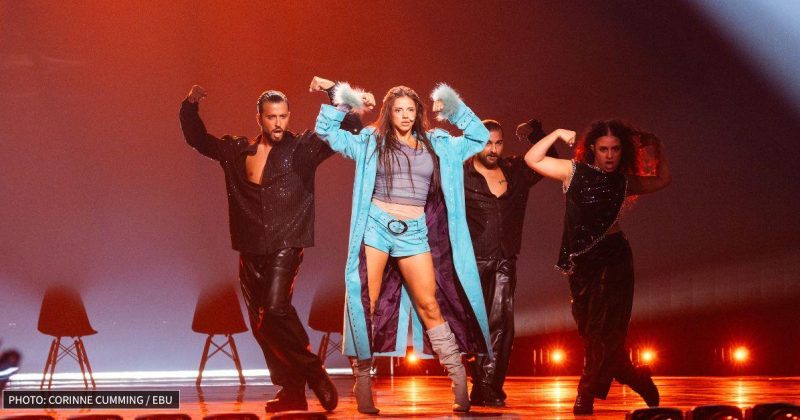
The data reveals a fascinating picture of true momentum versus accumulated success. The Philippines leads by a significant margin in both total views and daily average. This trend is clearly backed by the sole betting site currently open for the competition, where the Philippines sits at the top with a 95% chance of winning. This success is no coincidence, as it is a meticulously polished pop song paired with an explosive, high-energy performance highly reminiscent of the stage presence of DARA, who won the last European Eurovision.
In second place, boasting an impressive surge on YouTube and a 79% probability in the betting odds, is Vietnam. The Vietnamese entry presents a fantastic, mesmerizing fusion of traditional Asian music and contemporary, up-to-date production. This traditional flair could prove to be a secret weapon, as it is expected to draw substantial votes from both traditional audiences within the continent and international fans who find this sound exotic, unique, and authentic.
Although South Korea and Thailand lag behind in average YouTube views, they remain at the top of the betting odds with 22% and 18% respectively. This is a fascinating topic that we will explore further in an upcoming comprehensive article dedicated to the odds.
However, we must remember that all these figures are currently based solely on the national selection versions (except for Malaysia’s studio track). The true, decisive test will be the live performance on the Bangkok stage, especially since we are still expecting fresh revamps for some of the songs very soon. Flawless vocal execution, captivating charisma, and a winning staging concept can completely shuffle the deck and alter the rankings. The big question remains: Will the Philippines manage to maintain this tremendous momentum all the way to the Grand Final, or will another country break through during Eurovision week and overtake them at the moment of truth?
The 11 Competing Entries (by running order):
Click on the song title to listen!
-
Vietnam: Tóc Tiên with “Em Tiên“
-
Cambodia: Monetrey with “I Let You Go“
-
Laos: Thinla with “BAE“
-
Mongolia: Beck with “Without You“
-
Bhutan: Nyendra with “Lhayi Semo“
-
Philippines: Carmelle with “Sobra-Sobra“
-
Bangladesh: Beatmosphere with “Tumi Ele“
-
Thailand: Mang x Daou with “Aroma“
-
South Korea: Junhee with “Deep Dive“
-
Nepal: Pratik Himal Rai with “Ananta Maya“
-
Malaysia: Aina Abdul with “Bluest Sky“
All You Need to Know About Eurovision Asia
Eurovision Asia is an official expansion project of the Eurovision brand outside the borders of Europe, launched in collaboration with the European Broadcasting Union to mark the 70th anniversary of the original contest. The first-ever competition will take place on November 14, 2026, at the One Bangkok Forum arena in Thailand, hosted by media figures Woody Milintachinda and Cindy Bishop. This historic edition will feature 11 countries: Thailand, South Korea, Vietnam, Philippines, Bangladesh, Mongolia, Nepal, Laos, Bhutan, Malaysia, and Cambodia.
Unlike the European format, the contest in Asia operates under a centralized production model in collaboration with Voxovation, which subsidizes the selection process in various countries to allow participation for nations with limited budgets. Additionally, the winning country will not automatically host the contest the following year but will instead be invited to perform as a guest artist at the traditional Eurovision. The voting system has also been adapted for the continent and is based entirely on a unified, free digital platform that combines televoting with professional juries, giving unprecedented decisive power to the international audience through the “Rest of the World” voting.

Email: [email protected]
Phone: +972-50-9441919
Writer and content creator at EuroMix, providing cultural insights into the world of Eurovision. Talor is a second-generation Eurovision enthusiast who grew up attending family viewing parties. The 1999 Eurovision, at just five years old, was the event that shaped his love for the contest. He holds a BA degree in Culture – Creation and Production, and his articles combine academic knowledge with a passion for pop and trash, appreciating humor and clever references in the competition’s songs. He specializes in cultural and social analysis, offering in-depth commentary.
Outside the Eurovision world, Talor works as an independent content and media manager.