SWR reveals behind-the-scenes details, submission rules, and the new expert team behind Germany’s national final for Eurovision 2027.
After Germany opened the path for new artists and songs to compete for the Eurovision 2027 ticket, new behind-the-scenes details of the selection process are now being revealed. A document sent to candidates on behalf of the national broadcaster SWR reveals what next year’s national final is expected to look like – and hints at the changes awaiting on the way to choosing the next German entry.



The Selection Process for 2027

According to the newly revealed information, the German national final for Eurovision 2027 is expected to take place in February, similar to this year. Although further details, including the official name of the selection, the hosting team, and the voting method, have not yet been published, a document revealed by SWR provides a first glimpse into how the participant selection process is expected to be conducted. Following the end of the submission window on September 21st, the initial song screening phase will begin. At this stage, a five-member music team, appointed by the national broadcaster, will review all submissions and select the entries that will advance to the next stage.
Subsequently, the selected songs will be evaluated by a committee consisting of international music and Eurovision experts. However, the committee’s role will be purely advisory, and it will not make the final decision. The determination regarding the songs that will continue in the selection stages will remain in the hands of SWR personnel. The final decision regarding the entries that will reach the national final will be made by the music team and additional representatives on their behalf. At this stage, the exact identities of all decision-makers have not yet been revealed.
Submission Rules and Deadlines
SWR previously announced that the song submission window for the German national final will remain open until September 21st, 2026. The national broadcaster emphasized that they are not aiming for a specific style and are open to any vision, whether from an established singer or a newcomer to the industry.
Aside from the mandatory Eurovision baseline conditions, candidates will be required to meet several additional requirements set by the national broadcaster. Among other things, every submission must include both an artist and a song, as applications featuring only an artist or only a song will not be accepted. Furthermore, participants must submit a full, completed track, alongside a video up to 90 seconds in length. Additionally, SWR requests the inclusion of links to the artist’s social media networks or an official website, in order to evaluate their professional background and experience.
A New Expert Team
It seems that Germany is aiming high, and a new team has been selected to work on choosing the contestants for the national final. The team includes the German Head of Delegation Tina Sikorski, writer and music producer Jules Kalmbacher, and the most intriguing name on the roster, Pele Loriano. He is a producer, writer, and Eurovision strategist. Sikorski describes Loriano as a Eurovision legend who significantly contributed to the strategy behind the contest winners in 2024 and 2025.
The Head of Delegation described Loriano as the person who shaped Switzerland’s musical strategy at Eurovision as a musical director for many years. The team will also be joined by artistic director Florian Müller, artist manager Celina Spanier, and record label and artist manager Lilly Behling, who currently manages the Eurovision 2025 winner JJ.
Moving Forward from 2026
In a post uploaded to LinkedIn, the German Head of Delegation Sikorski wrote:
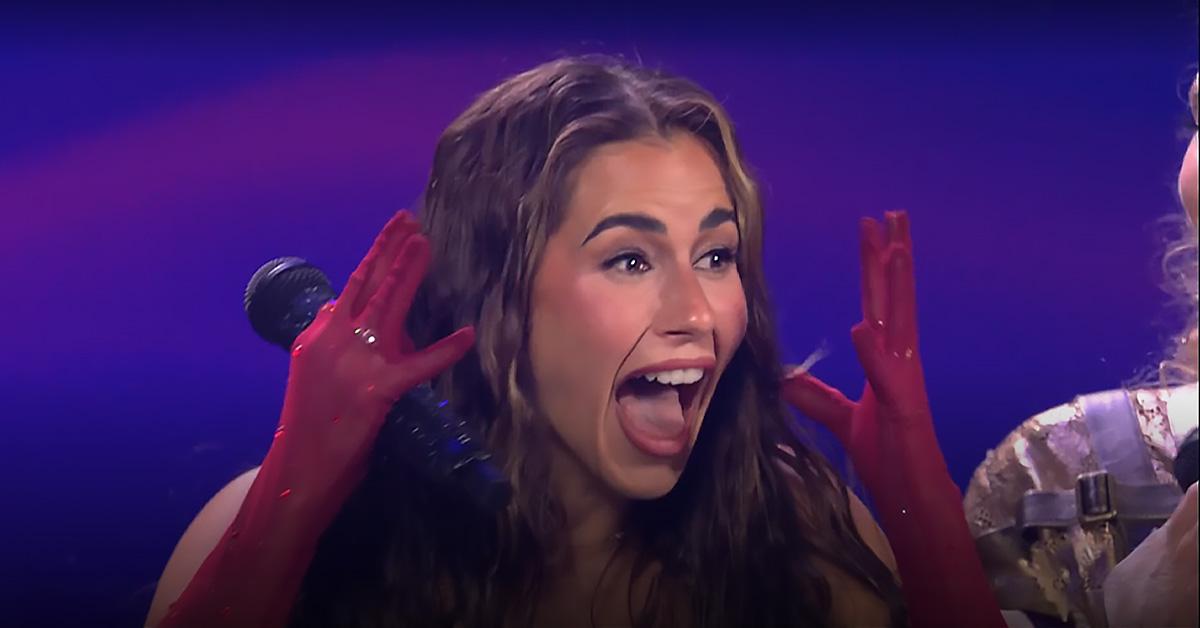
“Eurovision 2026 – what a crazy journey it was! Thank you, Sarah, for a fantastic performance and relentless effort on stage and behind the scenes. And thank you to the amazing team at the national broadcaster SWR.”
Addressing the results, she wrote:
“Although we hoped for a better outcome for Sarah, it is impossible to ignore the many bright spots. Her performances were stable and strong, she was highly appreciated by the audience at home in Germany, and the reactions in Vienna were wonderful. Beyond that, the song entered the top 10 most-streamed entries from Eurovision 2026 on Spotify.”
Statements about success are nice, but expectations for improvement remain. Later in the post, Sikorski detailed the new direction:
“Looking ahead to 2027, we want to streamline our formats and workflows to bring excellent content that will reach more people, and of course – strive for a much higher placement in the final. To achieve this, we will continue to work in close collaboration and with full trust with the music industry, and offer stable and reliable platforms for artists.”
“Our goal for selecting the entry for Eurovision 2027 is to attract more prominent and high-quality names to the German national final, to encourage a wider stylistic variety that goes beyond the usual mainstream pop, and to include songs that are ‘a little different’ and truly stand out on stage.”