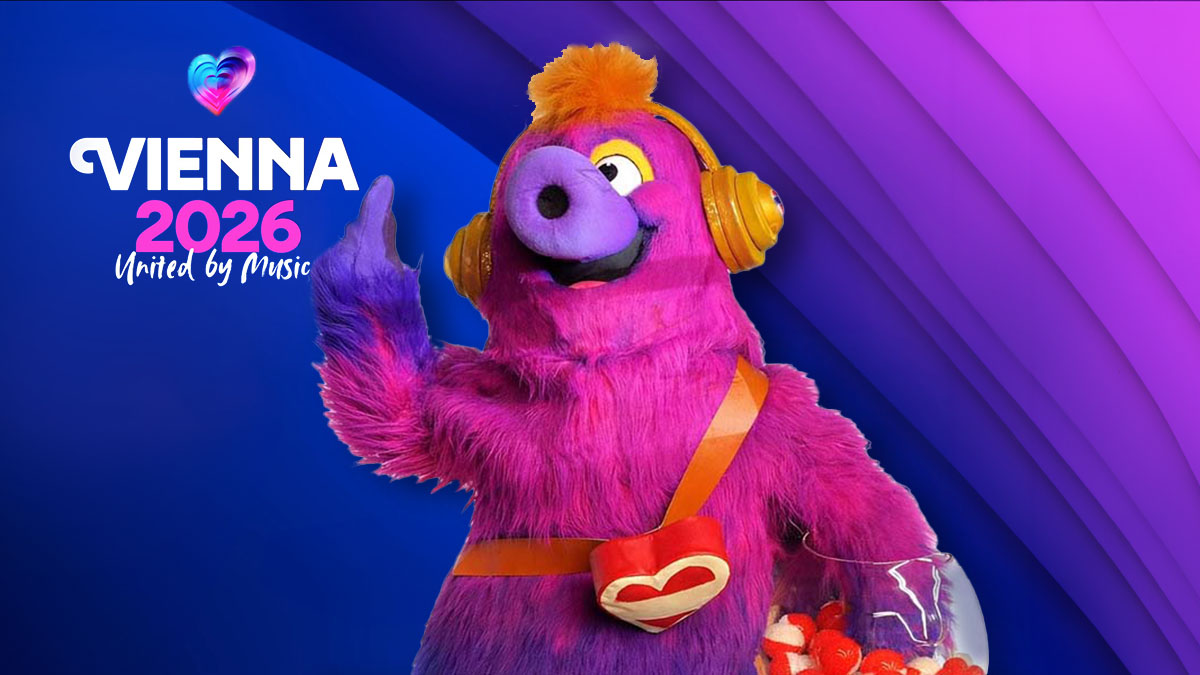
ORF announced Eurovision 2026 mascot Auri will star in “Auri und du” on ORF KIDS this fall to inspire children’s dreams.
The official mascot of Eurovision 2026, Auri, which was already presented in March 2026 by the Austrian national broadcaster ORF, turned out during the contest to be one of the biggest stars of the event, appearing on air and in additional videos. Yesterday (Tuesday), the Austrian national broadcaster announced that the lovable character will star in a show on the ORF KIDS channel, aimed at encouraging young children to fulfill their big dreams.



The new show starring the mascot will be called “Auri und du” (in English: “Auri and You”), and will air starting this autumn. The ultimate goal of the series and the initiative will be to encourage children to believe in themselves and their big dreams. As part of the show, Auri turns to the young audience and invites children from all over Austria to send their aspirations, plans, and projects to the project’s dedicated email address – learning a sport or playing an instrument, inventing an invention, writing a book, going on an adventure, or planning a trip – to give children a platform to dream big and celebrate their goals on television.
In the new show, which will be broadcast on the ORF KIDS channels and the ORF1 channel, Auri will meet professionals who will give the mascot and the children great tips on how to achieve and reach the goals they have set for themselves. The character’s goal is to connect with young children and inspire them, having already fulfilled the dream of performing together with friends on the biggest music stage in the world.
In the Spirit of Unity, Creativity, and Community
The mascot of Eurovision 2026, a character named Auri, was presented by the Austrian national broadcaster ORF as part of the official branding of the event and was designed to represent the Eurovision Song Contest in Vienna, Austria.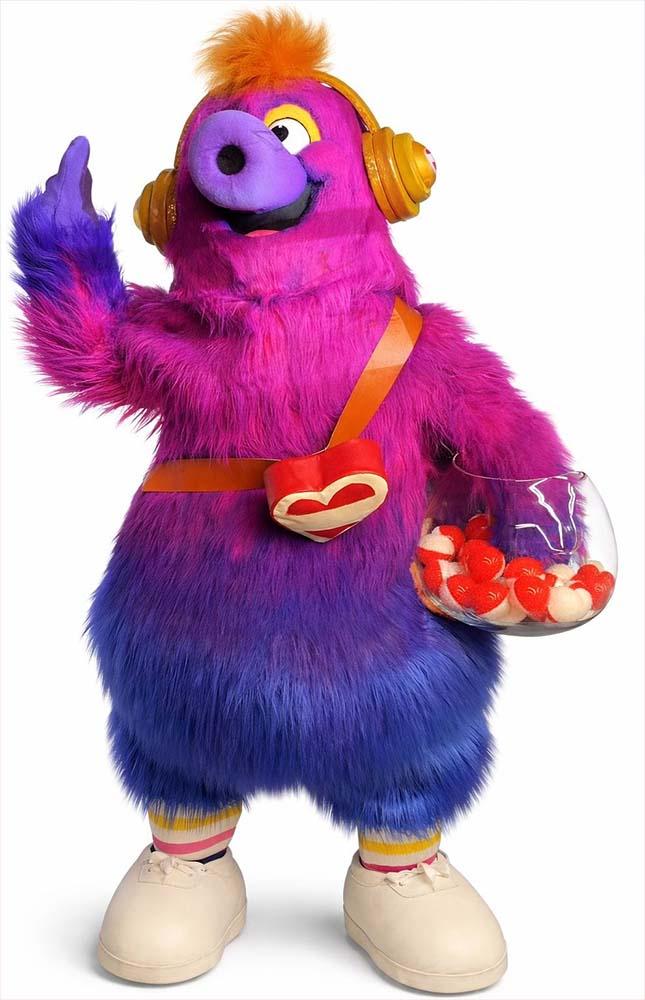
Auri is defined as a furry and colorful mascot, with bright colors matching the color palette of the Eurovision brand. The mascot was designed to represent the spirit of unity, creativity, and community that characterizes the Eurovision Song Contest.
Auri is a “full-body” mascot, similar to mascots in world sports events, rather than just a logo or graphic illustration. The design was intended to appeal to viewers of all ages and to continue the tradition of incorporating playful characters into Eurovision’s visual identity, a tradition that returned to the contest last year.
Performances, Fan Meetings, and Merchandise
Although Auri does not participate in the contest as a singer or judge, the mascot is officially involved in various activities of Eurovision 2026, including the running order draws, performances, promotional materials, merchandise, and fan events during Eurovision week in Vienna.
Mascots in Eurovision are not just cute visual elements—they provide a unique identity for each event, increase audience engagement, attract children and families, and support the sale of related merchandise. For example, the mascot Lumo of Eurovision 2025 in Basel was used to create a connection with the audience and was distributed throughout the city as part of an advertising campaign.
The reveal of Auri generated interest among the audience and fans, with many responses on social media and fan communities such as Reddit. Some fans liked the character, while others compared it to previous mascots like Lumo.

Email: [email protected]
Phone: +972-50-9441919
Maor Heumann has been writing about the Eurovision Song Contest and following it for over three decades. He has attended five contests and has found something to appreciate in almost every possible musical genre — from the sugary pop entries that finish last in the semi-finals to the quirky avant-garde pieces that even the competition’s juries struggled to connect with. He usually prefers original languages and songs with depth over Swedish-produced English clones — though he doesn’t promise to stick to that rule.
He grew up on the kibbutz of Sara’le Sharon, who instilled in him a love for music and created his first connection to the contest back in 1993 — before most of the current editorial team was even born.