ERT has officially opened submissions for “Sing for Greece 2027”, confirming the format and rules of Greece’s national selection for the Eurovision Song Contest 2027 in Bulgaria.
Greek national broadcaster ERT has officially launched the selection process for Eurovision 2027, opening submissions for “Sing for Greece 2027”, the national selection that will determine both the song and artist representing Greece at the 71st Eurovision Song Contest in Burgas, Bulgaria.
The competition will once again feature a televised national selection, following the format introduced for Eurovision 2026. According to the newly published details, up to 20 songs will compete across two semi-finals, with 12 entries advancing to the grand final based solely on the public vote.








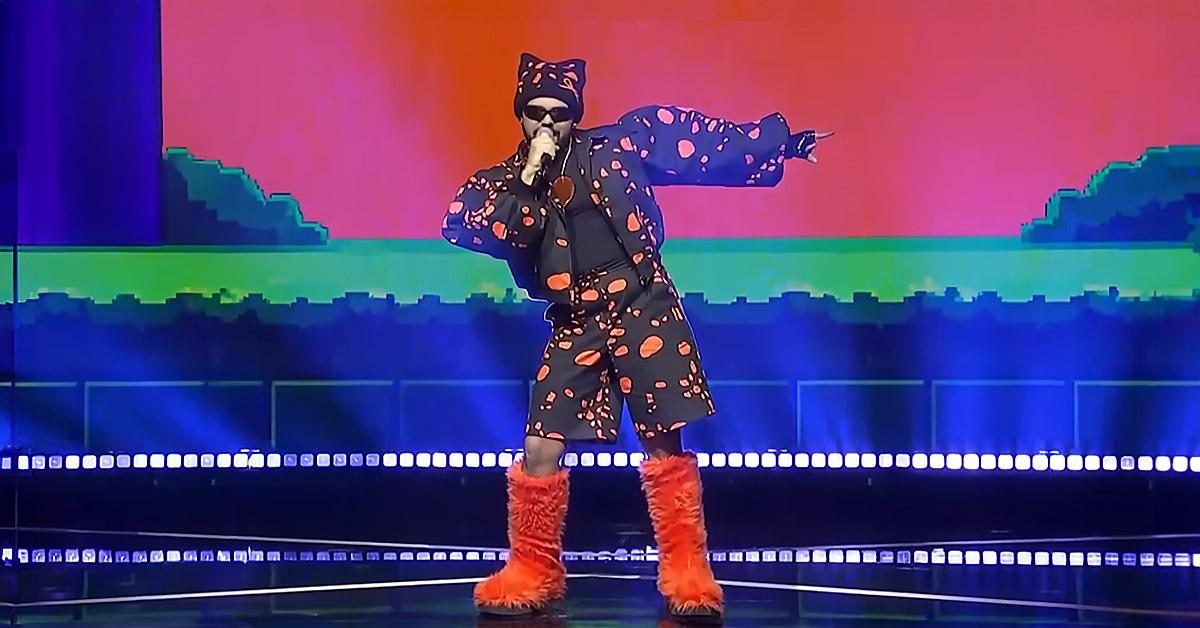
In the final, the Greek Eurovision entry will be selected through a combination of public voting and an expert jury. The winning song and artist will go on to represent Greece at Eurovision 2027, scheduled to take place on May 11th, 13th and 15th in Burgas.
ERT Board Unanimously Approves the Selection
The launch of the Greek selection follows a unanimous decision by ERT’s Board of Directors to approve the publication of the call for submissions.
The decision was made on Tuesday and was published on the Greek government’s Diavgeia platform. According to the official document, ERT’s Board approved the call following a proposal from the broadcaster’s Director General, who was authorized to sign the official submission announcement.
With the call now officially published, Greek artists and songwriters can submit their proposals for consideration in “Sing for Greece 2027”.
A Smaller Selection Than in 2026
“Sing for Greece 2027” will feature fewer competing songs than the previous edition.
In 2026, 28 songs competed across two semi-finals, before a grand final selected Akylas as Greece’s representative with “Ferto” (in English: “Give”), for 2027, ERT has reduced the field to a maximum of 20 songs, while retaining the two-semi-final and grand-final structure.
The format also reflects the strong public and artistic response to the 2026 national selection. The three live shows attracted significant audiences on ERT1 and the ERTFLIX streaming platform, contributing to ERT’s decision to continue with a televised national final for a second consecutive year.
Unanimous Decision After Last Year’s Internal Vote
The unanimous approval of Greece’s Eurovision 2027 selection also comes after a different voting outcome within ERT’s Board of Directors last year.
According to reports concerning Greece’s participation in Eurovision 2026, the two employee representatives on ERT’s board voted against participation, arguing that Greece should boycott the contest because of Israel’s participation.
This year, however, the decision to proceed with Eurovision 2027 and launch the national selection was approved unanimously by the board.
With submissions now open, the next stage of the process will see ERT review the applications and determine the songs that will compete in the two semi-finals of “Sing for Greece 2027”, before the Greek representative and entry for Eurovision 2027 are ultimately selected.
Submissions Open Until November 1st
Artists and songwriters interested in competing can submit their entries online until November 1st, 2026, at 22:59 CET (23:59 local Greek time), following the submission deadline, ERT will evaluate the applications and select the songs that will compete in the televised selection shows, the complete submission regulations, eligibility requirements and application details have been published by ERT as part of the official call for entries.
Eurovision 2027: This will be Greece’s 47th participation in Eurovision. Greece joined the competition in 1974 and achieved its best result in Eurovision 2005 when singer Helena Paparizou won first place with the song “My Number One”.

Email: [email protected]
Phone: +972-53-9514754
A writer and content creator with a strong specialization in the Eurovision scene, particularly across Eastern Europe and post-Soviet countries. His work highlights the artistry, storytelling, and cultural variety that define the contest, offering readers a deeper look into both established performers and emerging voices.
As a skilled translator and polyglot, he brings a unique linguistic and cultural understanding to his analysis and coverage..