The Polish national broadcaster TVP has officially opened the registration window for their Eurovision selection and revealed the rules for the local audience: from the qualifiers to the television evening
National final season is gradually picking up speed, TVP of Poland officially announcing the process for their own Eurovision artist selection. The song submission window has opened and will remain open until November 15th, 2026. Interestingly, included in the rules is a blanket ban on using AI (artificial intelligence) in creating any of the artistic elements of the submitted song.



A Three-Stage Selection Process
The broadcaster confirmed that a national selection will be held to choose the representative for the contest, and further details will be revealed at a later date. The director chosen to produce and direct the local competition is Jacek Dybowski, who has been working in the television industry for over three decades and has been responsible for directing the Polish Eurovision performances since 2024. For the past two years, the competition was open to the general public, and the decision regarding the representative’s identity was made entirely by the viewers at home. It now remains to be seen which format will be chosen this year.
Poland at Eurovision: The Chase for Replicating Its First Success
Poland’s selection will have three phases. In the first, taking place from November 17th–30th 2026, a professional jury appointed by the national broadcaster will decide which songs will qualify and move on to the next stage. Then, the next step will begin on December 17th, where up to 20 artists will head on to a live audition round in front of a panel of judges in Warsaw, echoing the format used the past two years in the artist decision.
Finally, the last phase will happen during the first two months of 2027 and will be broadcast live. Between seven to ten songs will compete against each other, with the winner decided exclusively through public vote. There will be a backup jury just in case of an unexpected failure of the voting system, which will utilize SMS. The rules do state, however, that TVP reserves the right to open an additional voting channel in line with the European Broadcasting Union’s rules for ESC 2027, perhaps hinting to an online voting option as well.
Poland’s Eurovision Journey: Chasing Its First Win
Poland first joined Eurovision in 1994 and immediately reached the top of the scoreboard when Edyta Górniak and the song “To Nie Ja!” finished second with 166 points — setting a high standard for future entries. The following year, Justyna Steczkowska represented Poland with “Sama”, finishing 18th, though the song marked an early artistic highlight for the nation.
Poland’s points average gradually declined, leading to irregular appearances throughout the 2000s. The introduction of semifinals also proved challenging: between 2005 and 2011, Poland reached the final just once — in 2008, finishing tied in last place with Germany and the United Kingdom.
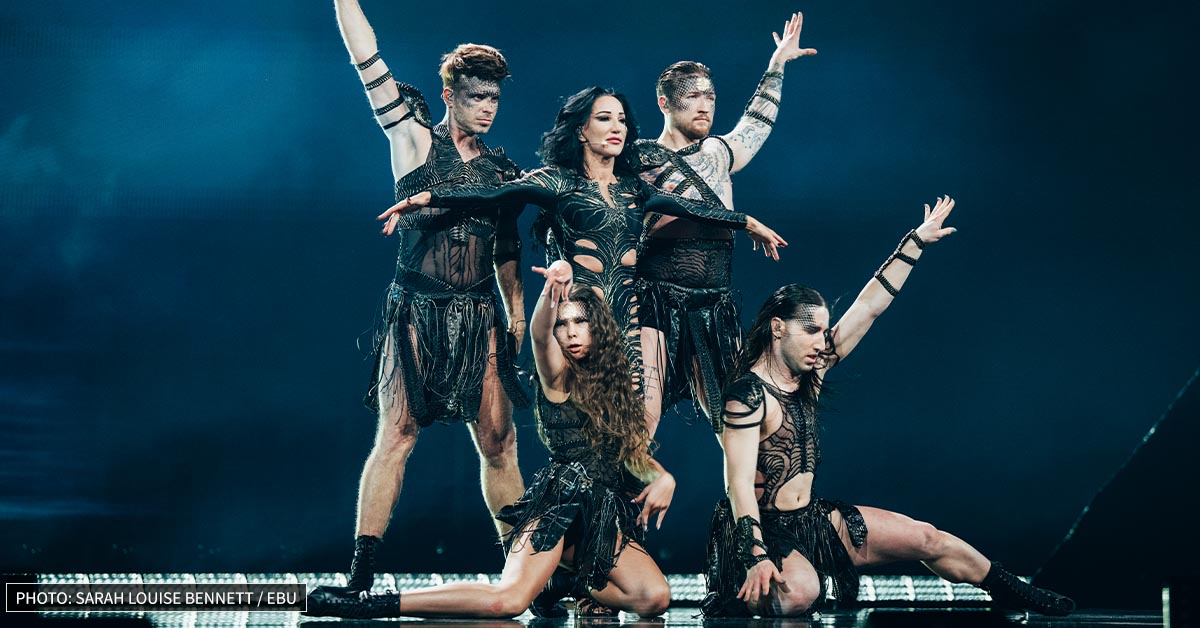 The country skipped Eurovision in 2000, 2002, 2012, and 2013. Aside from its debut performance in 1994, Poland has reached the Top 10 only twice more: in Eurovision 2003 (7th place) and Eurovision 2016 (8th place).
Since semifinals were introduced in 2004, Poland has qualified for the grand final nine times out of 19 attempts, often experiencing long streaks of non-qualification, in 2005–2007, in 2009–2011, and in 2018–2021. Polish entries tend to perform far better with televoters than with juries, regularly showing wide gaps in scoring between the criticizing juries and the loving televote.
In 2025, Poland set a record for the longest comeback in Eurovision history when Justyna Steczkowska, who competed in 1995, returned to represent Poland again in Eurovision 2025 in Basel, marking a 30-year return to the stage.