
The University of Aberdeen launches a 10-week online postgraduate course exploring the cultural, political, and social dynamics of Eurovision.
The Eurovision Song Contest has long ceased to be just a televised musical entertainment broadcast; it is now gaining official recognition within leading academic institutions: the University of Aberdeen in Scotland has announced the launch of a new online postgraduate course entirely dedicated to the study of the competition. The ten-week program, set to begin on January 27th, carries the defining title: “Eurovision: More Than a Song Contest”. The course will be delivered fully online and is not restricted solely to regular university students, but is open to fans and interested participants worldwide. The participation fee for the program is £465.

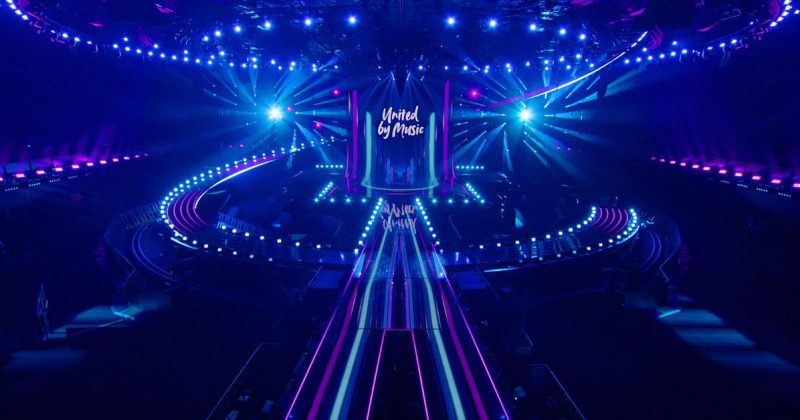






What Will Students Learn? Politics, Gender, and Cultural Representation
As the program’s title suggests, the studies will not focus on analyzing songs or stage choreographies, but will instead delve into Eurovision as a global social, media, and cultural phenomenon. Participants will explore a wide range of complex topics, including cultural representation, national identity, international politics, gender, sexuality, and decolonization processes.
Additionally, the program will examine the contest through the lens of visual culture and collective memory, combining media studies, sociology, and political science. Notable issues to be addressed include LGBTQ+ representation on the contest stage and how dramatic geopolitical events – from the Cold War to contemporary conflicts – have shaped and influenced the history of the event.
The course will be taught by Dr. Bárbara Barreiro León, a Eurovision researcher and specialist at the University of Aberdeen, whose academic work focuses on cultural identity and visual representation in the contest.
“Eurovision Is More Than a Music Show”
According to Dr. León, one of the primary aims of the program is to utilize Eurovision as a case study to analyze the diverse ways memory is represented across visual media, alongside examining how European history and geopolitics shape the event. The researcher previously noted that Eurovision represents an exceptionally fertile field for academic inquiry into cultural identity, memory, and social change, with every edition of the contest offering fresh examples for scholarly examination.
Criticism in the UK vs. Academic Defense
The announcement of the new course has already ignited lively debate across the United Kingdom, with some critics questioning the practical value and necessity of such a specialized field of study. British educator Chris McGovern spoke to the local press, arguing skeptically that a program of this nature is unlikely to tangibly enhance the career prospects of its participants in the job market.
Dr. León, on the other hand, pushed back against the criticism and defended the academic significance of the research: she maintains that Eurovision provides a unique and vital “window” into the social, political, and cultural shifts that have unfolded across Europe in recent decades.
Academic interest in the contest is far from unprecedented: since the 1990s, Eurovision has evolved into a recognized and respected subject of scholarly research, with numerous universities throughout Europe integrating related studies and seminars into courses covering sociology, communications, and political science. From the contest stage to the university lecture hall, Eurovision continues to prove that it is far more than an annual music broadcast.
Would you enroll in an academic course about Eurovision? Which topic do you find most fascinating to explore within the contest? Let us know in the comments below!

Email: [email protected]
Phone: +972-50-9441919
Neta Geffen is a respected journalist at Euromix, Israel’s leading news site for Eurovision coverage. Since 2010, Neta has been closely following the Eurovision Song Contest, bringing with him extensive experience, profound knowledge, and a broad understanding of the history, politics, and cultural influences that shape the event every year.
Neta publishes articles, analyses, and up-to-date reviews on all Eurovision developments, including musical trends, format changes, political influences, and audience reactions across Europe and Israel. Thanks to a deep connection to the contest’s history, Neta provides readers with wide-ranging context—from the impact of political events on results, to in-depth analyses of songs and languages within the competition. Neta specializes particularly in the Eurovision rock genre, Balkan ballads, and native language entries, with a special focus on Italian and Greek songs.