Serbian national broadcaster RTS has revealed the dates for “Pesma za Evroviziju ’26” and the song release schedule. The winning entry will represent Serbia at Eurovision 2026 in Vienna.
The Serbian national broadcaster RTS has published the first official details ahead of “Pesma za Evroviziju ’26”, which will determine Serbia’s entry for Eurovision 2026 in Vienna, Austria. According to the announcement, the grand final will take place on February 28th, and all competing songs will be available to listen to from February 2nd at 13:00 CET on the competition’s official YouTube channel.
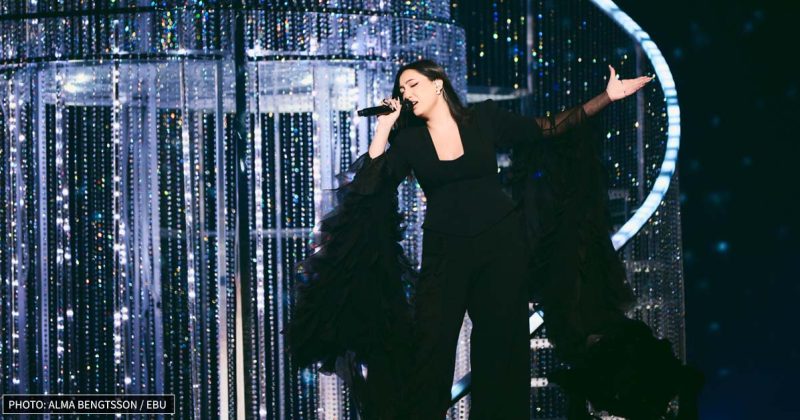


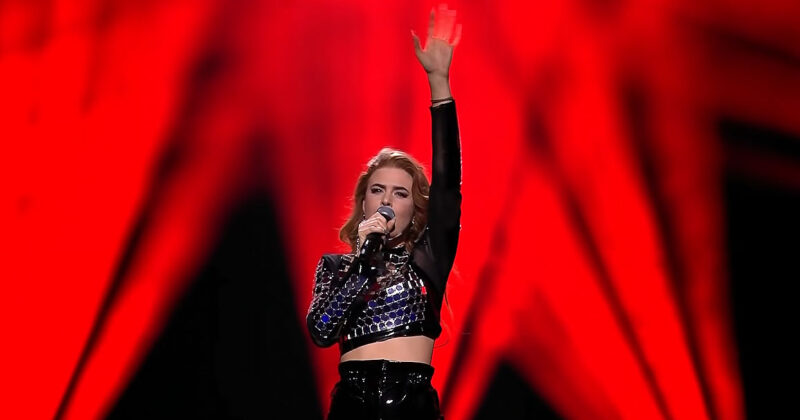
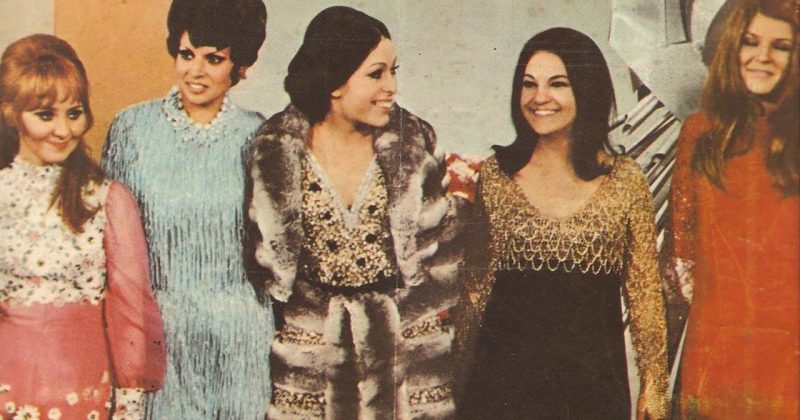


How Serbia Will Select Its Eurovision 2026 Entry
As in previous years, the national selection will feature two semi-finals, scheduled for February 24th and February 26th. Each semi-final will include 12 competing artists, with seven acts from each show qualifying for the grand final, which will be held on February 28th. The winner of the national selection will be determined through a combined voting system consisting of public voting and a professional jury, split evenly at 50%–50%. The winning entry will go on to represent Serbia at Eurovision 2026, which will take place in Vienna in May 2026. Serbia is set to compete in the second half of the first semi-final of Eurovision 2026, which will be held on May 12th.
הצגת פוסט זה באינסטגרם
List of contestants of “Pesma Za Evroviziju 26”:
- Mirna Radulović – OMAJA
- Zona – Čairi
- Anabela Mitić – Trampolina
- Iva Grujin – Otkrivam sebe
- LU-KA – Veruj
- Kosmos trip – Sve je u redu
- Makao bend – Daj nam svet
- Lores – Unseen
- Harem Girls – Bom Bom
- Jack Lupino – Adrenalin
- Zejna – Jugoslavija
- Milica Burazer – Svima vama treba mama
- Manivi – Svaki dan
- Sanja Aleksić – Ko me proba
- Lavina – Kraj mene
- Ana Mašulović – Zavoli me
- Brat Pelin – Fräulein
- Geminni – Metar sreće
- Đurđica Gojković – Moma mala
- YANX – Srušio si sve
- Aleksandar Radojević – Sudbina
- Eegor – Klaber
- Aleksandra Sekulić – Kule
- Avgust – Jabuka
Among The Contestants – Several Familiar Names:
-
Mirna Radulović – represented Serbia at Eurovision 2013 as part of the group Moje 3 with the song “Ljubav je svuda” (in English: “Love is All Around”) and finished 11th in the first semi-final.
-
Zejna – returning and beloved contestant who participated in the national final in 2022 with the song “Nema te” (in English: “You are not there”) finishing 14th, in 2023 with the song “Rumba” finishing 7th, and in 2024 with the song “Najbolja” (in English: “The best”) finishing 5th.
-
YANX also known by her name Saška Janković – veteran participant who finished 2nd in the national final in 2018 with the song “Pesma za tebe” (in English: “A Song for you”), 3rd in 2013 with the song “Duga u tvojim očima” (in English: “Rainbow in your eyes”) and in 2019 with the song “Da li čuješ moj glas?” (in English: “Do you hear my voice?”). In Beovizja 2009 she reached 10th place with the song “Nauči me” (in English: “Teach me”). In 2024 she competed in Pesma Za Evroviziju under the stage name YANX with the song “Kolo” (in English: “Voice” / “Circle dance”) but failed to qualify for the final. At Eurovision she participated as a backing singer for Serbia’s representatives Milan Stankovic, in 2010 with the song “Ovo je Balkan” (in English: “This is the Balkans”, 13th place), Nina, in 2011 with the song “Čaroban” (in English: “Magical”, 14th place), and Bojana Stamenov, in 2015 with the song “Beauty Never Lies” (10th place).
-
Eegor – competed in Pesma Za Evroviziju in 2023 in the semi-final with the song “Starac dana” (Hebrew: “Elder of days”) but did not qualify to the final.
-
Harem Girls – competed in last year’s Pesma Za Evroviziju with the song “Aladin”, with which they reached 2nd place.
Serbia at Eurovision: Impressive Record and Consistency
Serbia joined the Eurovision Song Contest in 2007 and has been absent from the competition only once since then, in 2014. Already in its debut performance at the contest in 2007, Serbia recorded an especially impressive result and won 1st place with the song “Molitva” (in English: “Prayer”) with 268 points, thereby making history as the only country to win Eurovision in its very first participation! Since then, Serbia has continued to maintain consistency in most competitions by advancing to the final and achieving impressive results. Serbia is considered one of the most prominent and interesting countries at Eurovision due to its commitment to sending songs with a unique identity that characterizes it in terms of style, tradition and language.
Serbia Addresses Israel’s Participation Debate?
In an interview on RTS’s morning program on May 26th, Duška Vučinić-Lučić, head of media affairs for Eurovision at RTS and a long-standing contest commentator, revealed that despite questions raised about Israel’s participation, Serbia would not file an official complaint nor question the validity of the voting process.
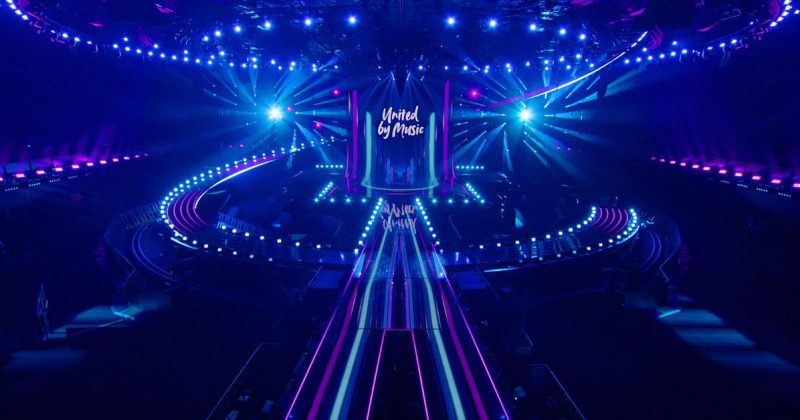
She also expressed her opinion that Serbia’s Eurovision 2025 representative, Princ, would have reached the final had the judges at the semi-final stage also voted, and not only the audience. Vučinić-Lučić indirectly criticized the last contest’s slogan, “United by Music”, questioning its sincerity, but clarified that Serbia has no intention of withdrawing from Eurovision.
Serbia at Eurovision 2025
“Mila” is the title of the song performed by Serbian singer Princ, who represented Serbia at the Eurovision 2025 in Basel, Switzerland, finishing 14th in the second semi-final with 28 points. The song was written by Dušan Bačić. This marks his first foray into the Eurovision contest. The song is performed in Serbian.
The song deals with feelings of intense love and the accompanying pain, with the lyrics describing feelings of longing, shared memories, and a deep connection that persists despite difficulties and distances.
Eurovision 2026: This will be Serbia’s 18th participation in Eurovision. Serbia joined the contest in 2007 and achieved its best result in the same year when singer Marija Šerifović won first place with the song “Molitva”.

Email: [email protected]
Phone: +972-50-9441919
Neta Geffen is a respected journalist at Euromix, Israel’s leading news site for Eurovision coverage. Since 2010, Neta has been closely following the Eurovision Song Contest, bringing with him extensive experience, profound knowledge, and a broad understanding of the history, politics, and cultural influences that shape the event every year.
Neta publishes articles, analyses, and up-to-date reviews on all Eurovision developments, including musical trends, format changes, political influences, and audience reactions across Europe and Israel. Thanks to a deep connection to the contest’s history, Neta provides readers with wide-ranging context—from the impact of political events on results, to in-depth analyses of songs and languages within the competition. Neta specializes particularly in the Eurovision rock genre, Balkan ballads, and native language entries, with a special focus on Italian and Greek songs.