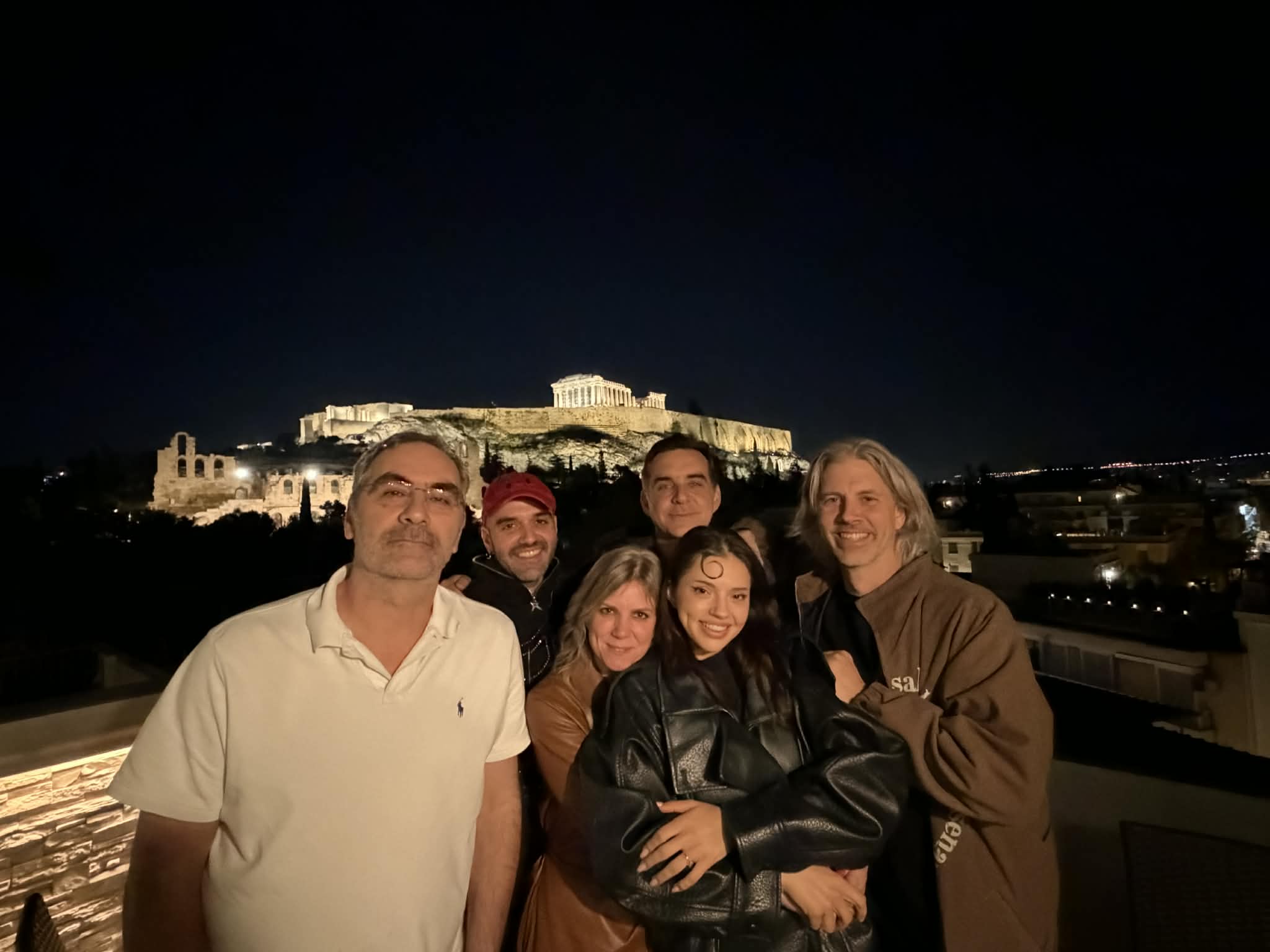
Dream Team project manager Elias Kokotos explained why his team refused to work with ERT for Eurovision 2026 despite Dara’s Bulgarian success.
Elias Kokotos, the project manager of the famous “Dream Team”, was a guest this week on the online show hosted by Nancy Paradisano, where he bared it all. After leading Dara to a landslide victory for Bulgaria in Eurovision 2026, Kokotos was asked the obvious question: when will he and Dimitris Kontopoulos return to work with the Greek national broadcaster, ERT?



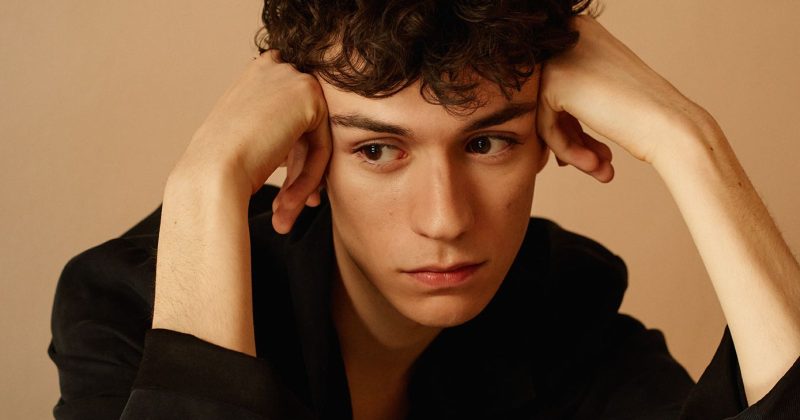
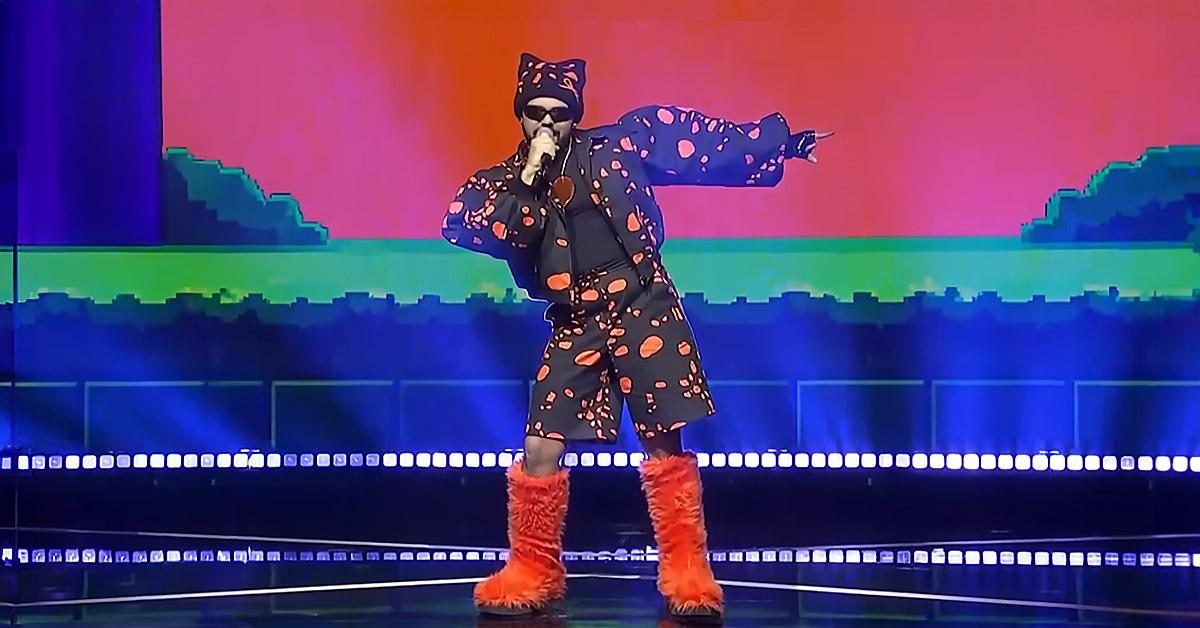 Kokotos made it clear that his team, whose ultimate goal is to reach the absolute highest positions on the scoreboard, is not willing to take blind risks. As long as the selection of the Greek representative is conducted through a national final format, the Dream Team is completely out of the picture.
“We cannot take on a project from the very beginning when we don’t know which artist or song will be chosen,” Kokotos explained firmly. “We have no way of knowing if whoever is selected possesses the necessary qualities to be competitive at Eurovision. Going there just to finish in last place is something that means nothing to us.”
Kokotos did not hesitate to refer specifically to the contestants of the Greek national selection: “Akylas indeed had potential, but that was pure luck. Just as easily, a kid could have been chosen who has absolutely no chance of succeeding or standing out. Why should I spend three months of my life with a person who has no hope of achieving a significant result in the competition?”
He also mentioned their past collaborations with Greece: “We have done projects for Greece in the past, such as with Stefania who reached 10th place at Eurovision 2021. But it is not a requirement for us to work specifically with someone from Greece. ERT operates under a certain procedure—they select an artist, and we simply cannot know in advance if we will want to or be able to work with them.”
The Secret Recipe Behind Bulgaria’s Victory
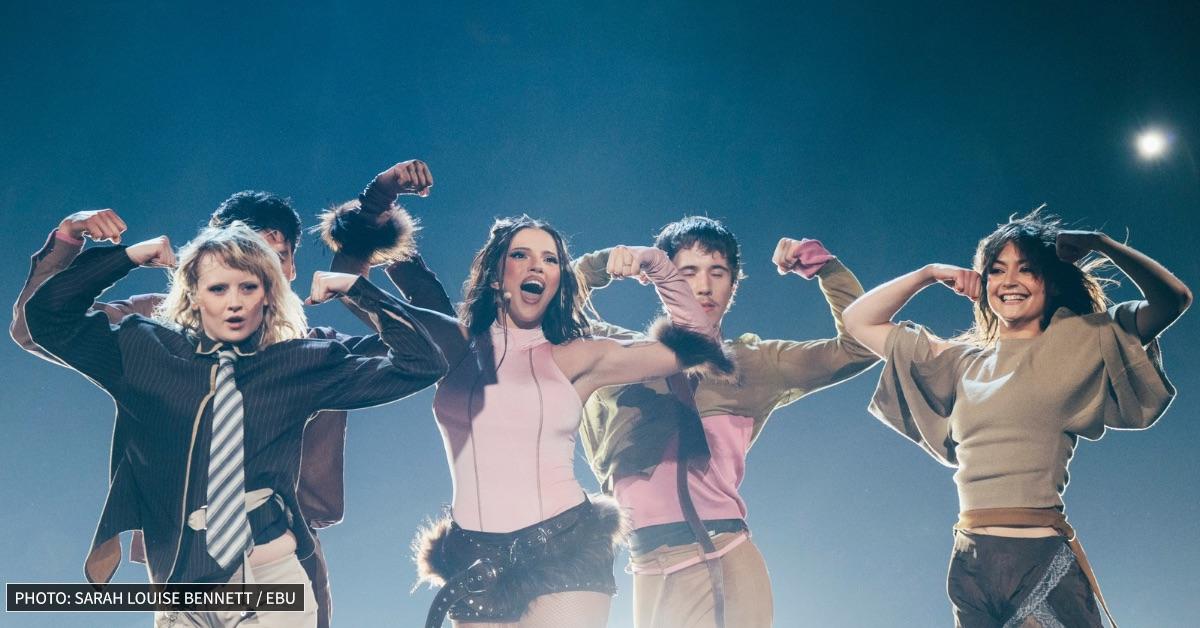 To illustrate how a winning formula works when they maintain full control over a project, Kokotos revealed the behind-the-scenes secrets of the Bulgarian triumph. According to him, he and his partner Kontopoulos established a dedicated production company specifically for projects of Eurovision’s magnitude. It was the Bulgarian national broadcaster, BNT, that approached them requesting a collaboration.
After Dara was selected to represent Bulgaria, Kontopoulos worked with her personally on three potential songs, with the Bulgarian public ultimately selecting the hit “Bangaranga”.
However, this is where the real secret to their success lies: to isolate Dara from the immense pressure and media noise in her home country, the Dream Team decided to relocate her. Dara moved to Athens for two full months of grueling “Eurovision bootcamp.” The schedule included 4 hours of intense daily rehearsals combined with rigid fitness training. The goal was to improve her physical endurance and teach her to perfectly control her breathing while tearing up the stage. This insane investment, as we all know, ended with her lifting the glass microphone trophy.
Eurovision 2027: This will be Greece’s 47th participation in Eurovision. Greece joined the competition in 1974 and achieved its best result in Eurovision 2005 when singer Helena Paparizou won first place with the song “My Number One”.

Email: [email protected]
Roie is a journalist, content creator, and commentator specializing in the Eurovision Song Contest. His extensive knowledge and in-depth familiarity with the Eurovision world are reflected in every article, ensuring reliable, professional, and up-to-date content.