Amid European boycott threats, Israeli President Isaac Herzog addressed delegitimization efforts against Israel at Eurovision 2026 in Vienna and emphasized the importance of maintaining a strong and independent public broadcaster.
Israeli President Isaac Herzog spoke in an interview on the radio program “Kalman Liberman” on Kan Reshet Bet about the importance of public broadcasting and Israel’s future at Eurovision. His remarks come against the backdrop of calls to exclude Israel from Eurovision 2026 in Vienna.

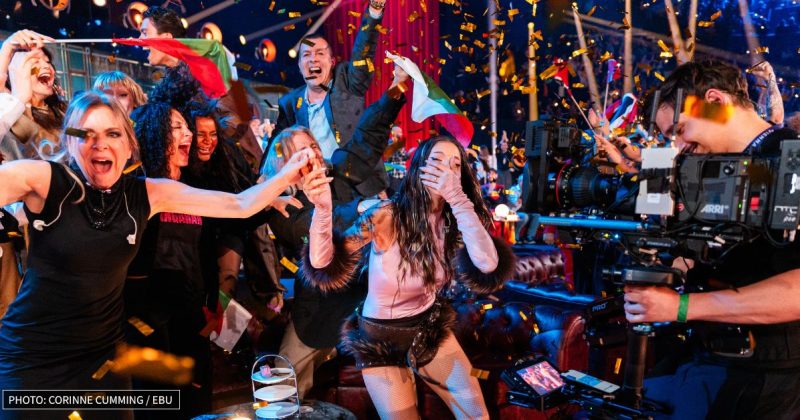



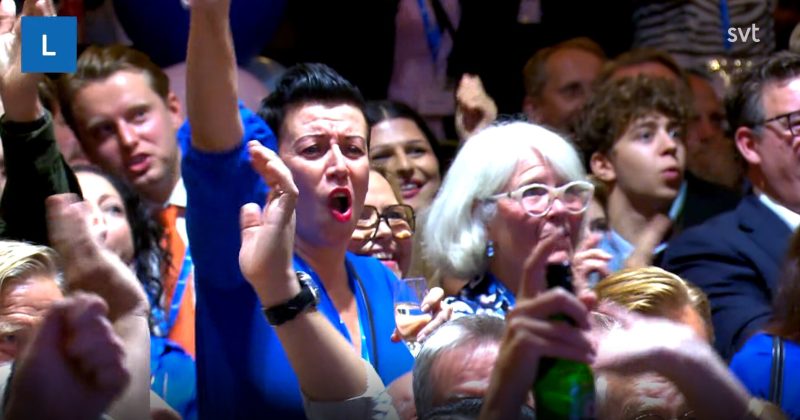


Eurovision: More Than Just a Musical Stage
Regarding the wave of calls to boycott Israel at Eurovision, Herzog said:
“I have seen dangerous processes that start at Eurovision and end elsewhere. The delegitimization of Israel and attempts to exclude us from every possible arena – these are moves intended to weaken us. It starts with Eurovision but extends to things that are vital to us. Every arena is important”.
He noted in the interview that the public broadcaster KAN is doing its utmost to keep Israel in Eurovision, and he pledged one hundred percent effort on his part and from other parties involved.
“I Am a Great Supporter of Public Broadcasting”
Herzog also addressed the importance of public broadcasting in Israel:
“I have enormous respect for Kan. There are voices that concern me. A public broadcasting platform is so important – it allows for a diversity of opinions, unbiased coverage, and gives everyone the opportunity to be heard. I am a great supporter of public broadcasting, and therefore I worry when there is reason to worry and act when there is reason to act”.
This statement comes in light of attempts by Israeli politicians, including Communications Minister Shlomo Karhi, to undermine the independence of KAN – a factor essential for membership in the EBU and participation in Eurovision.
A Clear Message: Every Arena Is Strategic
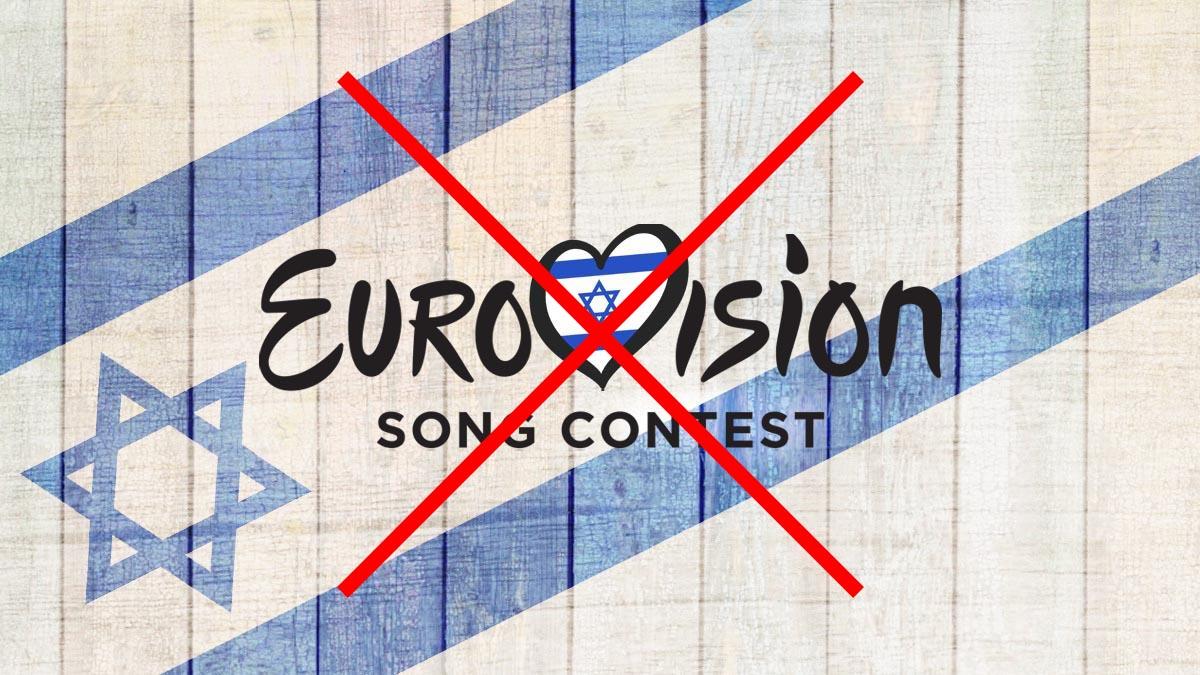
Herzog’s comments frame Eurovision not merely as a cultural or entertainment issue but as part of a broader struggle against delegitimization of Israel in the international arena. The president explained that efforts to exclude Israel from cultural events are in fact part of a larger strategy aimed at isolating and weakening the country.
From this perspective, Herzog stressed that Israel cannot afford to relinquish any international platform, large or small. He emphasized that Israel’s presence in Eurovision is a global declaration of cultural resilience, steadfastness, and international relevance. As he put it: “Every arena is important” – because every Israeli appearance abroad sends a clear message of belonging, connection, and strength in the face of exclusion attempts.


Israel at Eurovision 2025
“New Day Will Rise” is the song performed by Yuval Raphael, who was chosen to represent Israel after winning the 11th season of “HaKokhav HaBa”. Israel advanced to the final after winning the second semi-final with 203 points and finished second overall with 357 points in the grand final. Israel ranked first in the public vote but only 14th with the jury. This marks the third consecutive year that Israel has reached the top five – an unprecedented achievement.
Eurovision 2026: This will be Israel’s 48th participation in Eurovision. Israel joined the contest in 1973 and has won four times. Its most recent victory was at Eurovision 2018 with the song “Toy”, performed by singer Netta Barzilai.

Email: [email protected]
Phone: +972-50-9441919
Neta Geffen is a respected journalist at Euromix, Israel’s leading news site for Eurovision coverage. Since 2010, Neta has been closely following the Eurovision Song Contest, bringing with him extensive experience, profound knowledge, and a broad understanding of the history, politics, and cultural influences that shape the event every year.
Neta publishes articles, analyses, and up-to-date reviews on all Eurovision developments, including musical trends, format changes, political influences, and audience reactions across Europe and Israel. Thanks to a deep connection to the contest’s history, Neta provides readers with wide-ranging context—from the impact of political events on results, to in-depth analyses of songs and languages within the competition. Neta specializes particularly in the Eurovision rock genre, Balkan ballads, and native language entries, with a special focus on Italian and Greek songs.