Eurovision 2026: Ron Biton and Yoav Ginai lead a plan to reform Israel’s song selection process, testing AI-driven anonymity, full transparency, and innovative methods to restore fairness and trust.
Towards Eurovision 2026: The process of selecting Israel’s song for Eurovision 2026 is set for a significant overhaul involving technological innovation and greater transparency, following a broad protest by songwriters — much of it directed against the selection of Keren Peles as the songwriter for Israel’s entries to Eurovision 2024 and 2025. Ron Biton, a lyricist and composer who was among the protest’s leading voices, proposed that competing songs be submitted with vocals generated by AI. The idea’s goal is to ensure complete anonymity among creators and guarantee a fair, balanced process.
Biton explained:
“I suggested that all writers submit their songs with an AI-generated voice, keeping full anonymity intact. To his credit, Golan Yochpaz, CEO of the national broadcaster, supported the idea. As he promised last year that there would be a correction this year – he kept his word”.
He also met with Yoav Ginai, the external consultant appointed by the national broadcaster to review the selection committee’s procedures, and noted that additional ideas are now being evaluated for implementation.





The Protest and Conflict of Interest Claims
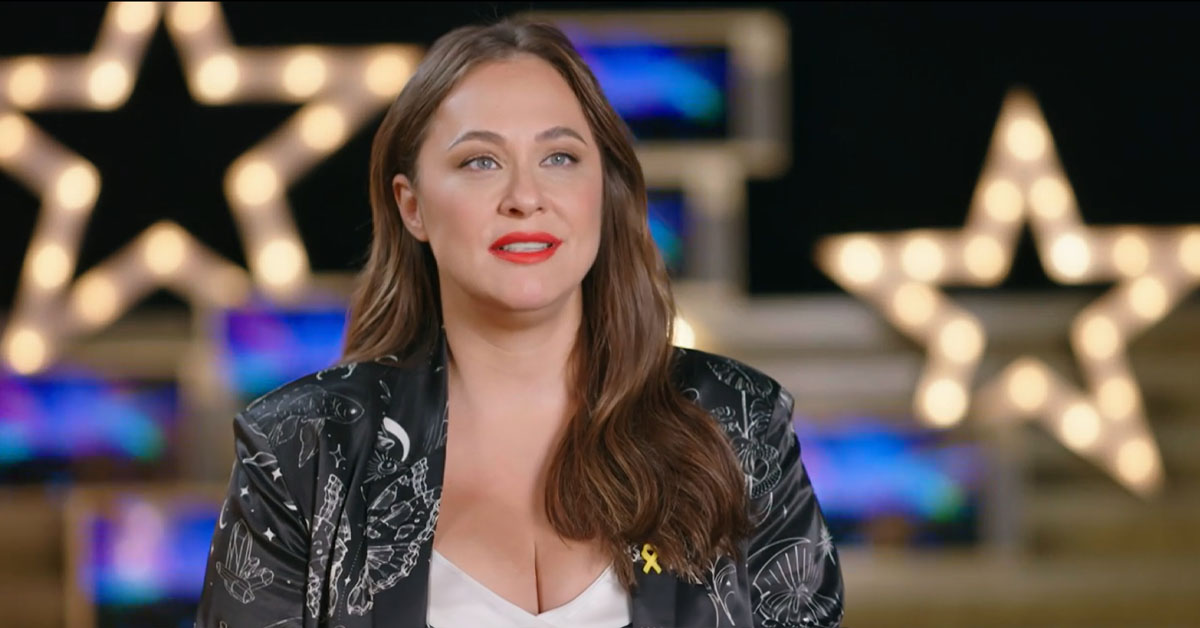
The protest against the selection of Keren Peles raised allegations of a conflict of interest. Peles had served as a judge on “HaKokhav HaBa”, the show through which Israel’s Eurovision representative was chosen. Moreover, the song selection process included a demo recorded in her own voice – making it clear to committee members that she was its creator. Composers demanded the publication of meeting protocols and the formation of new, fully transparent selection committees. The Israeli national broadcaster KAN rejected these accusations, stating that the process had been conducted legally and according to regulations. However, following continued pressure, the broadcaster and creators met and agreed to review the song selection procedures for future contests.
Yoav Ginai’s Appointment as Selection Advisor
The appointment of Yoav Ginai as a consultant for the national broadcaster’s Eurovision song selection process aims to ensure decisions are made free from external influence or conflicting interests and judged solely on artistic merit. To meet this objective, the broadcaster is exploring the use of advanced tools such as artificial intelligence to maintain songwriter anonymity – a move expected to restore confidence in the process, both among artists and the general public.
Yoav Ginai, a broadcaster, lyricist, cultural scholar, and veteran editor, previously held senior roles within the Israeli Broadcasting Authority and the Israeli Public Broadcast Corporation, KAN. His notable positions included Head of the Culture and Entertainment Department and Director of Programming for Channel One. Throughout his career, Ginai hosted numerous radio and television programs and became a leading figure in Israel’s cultural broadcasting scene—though his tenure was occasionally marked by internal disputes and controversies. He wrote the Eurovision songs “Diva” and “Light A Candle” for Eurovision 1998 and 2002 respectively and served intermittently as Head of Israel’s Eurovision delegation between 2007 and 2017. Ginai is not currently employed by the national broadcaster but acts as an external consultant.
KAN’s Official Response
 KAN’s national broadcaster released an official statement:
“The Israeli national broadcaster has recently appointed Yoav Ginai, an external consultant, to examine possible changes in the process of choosing Israel’s song for the Eurovision Song Contest. Ginai has met in recent weeks with many relevant figures in the field, including Ron Biton. Ginai will draft his conclusions soon, which will then be reviewed by the broadcaster. Only after receiving his recommendations will KAN finalize the new method for selecting Israel’s entry”.
Israel at Eurovision 2025
“New Day Will Rise” is the song performed by Yuval Raphael, who was chosen to represent Israel after winning the 11th season of “HaKokhav HaBa”. Israel advanced to the final after winning the second semi-final with 203 points and finished second overall with 357 points in the grand final. Israel ranked first in the public vote but only 14th with the jury. This marks the third consecutive year that Israel has reached the top five – an unprecedented achievement.
Eurovision 2026: This will be Israel’s 48th participation in Eurovision. Israel joined the contest in 1973 and has won four times. Its most recent victory was at Eurovision 2018 with the song “Toy”, performed by singer Netta Barzilai.

Email: [email protected]
Phone: +972-50-9441919
Ilay Gaist is a leading Israeli content creator and writer specializing in the Eurovision Song Contest. He is a well-known commentator with extensive expertise in the contest’s history, rules, and dynamics. His passion for Eurovision drives him to deliver rich, professional, and innovative content to his audience.
Ilay holds a bachelor’s degree in Arabic and has a multilingual background. He also engages in cultural research, with a particular focus on global culinary traditions and the evolution of local cuisines around the world.