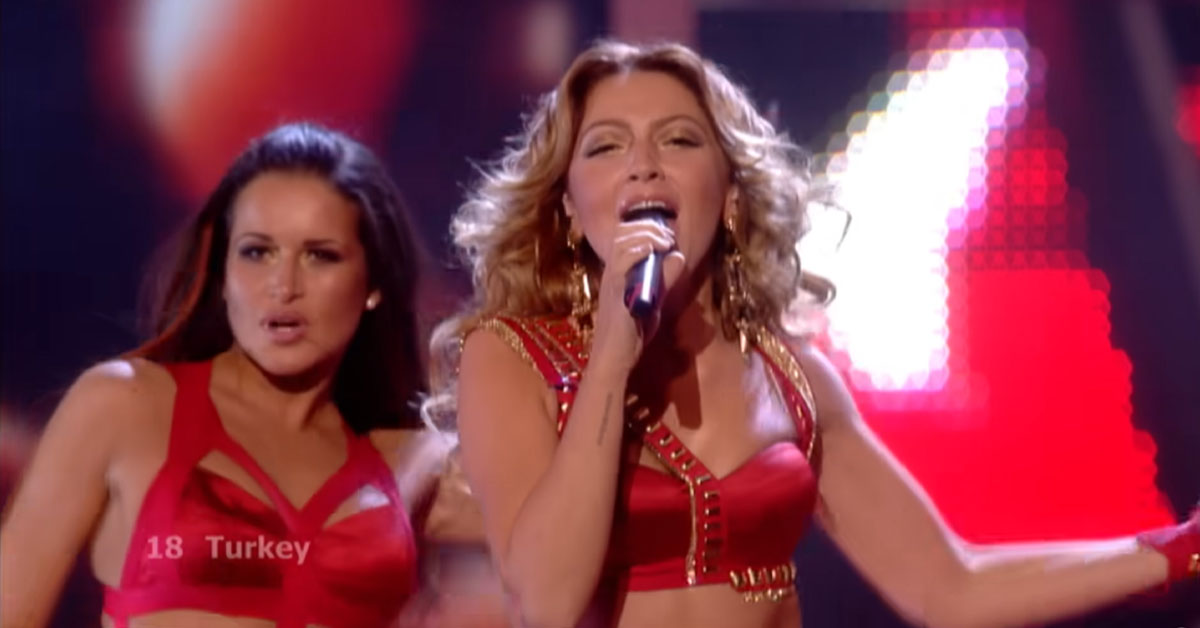
Eurovision 2009 representative was detained in Istanbul in a high-profile anti-drug operation. Is Turkey planning to return to Eurovision? Full report inside.
The Turkish police carried out a special operation this week that led to the arrest of dozens of Turkish celebrities, including singers, actors, and bloggers, as part of a broad campaign against illegal drug use. Among the detainees is a former representative who competed in the Eurovision Song Contest and achieved significant success.





The beloved Turkish singer Hadise was arrested this week by Istanbul police because she allegedly supported and promoted the use of prohibited drugs. The popular singer was taken into custody at her home in the city of Şişli. The authorities plan to conduct blood tests on the Turkish celebrities, including Hadise, to determine whether they have used narcotics. They are expected to be released to their homes after the blood tests are completed in the coming days.
Hadise represented Turkey in the Eurovision Song Contest in 2009 with her ethnic hit “Düm Tek Tek”, which earned her 4th place with 177 points – one of Turkey’s best results in Eurovision history!
Will Turkey Return to Eurovision?
The band MaNga, who represented Turkey in 2010 with the song “We Could Be The Same”, shared their thoughts in an interview with Hürriyet’s YouTube channel about their remarkable achievement and whether they plan to return to the contest:
“After the singer Sertab Erener, we reached one of Turkey’s most remarkable achievements. People often ask if we’ll return again. Over time, there have been offers, and we’ve considered them, but currently, due to our lifestyle, it’s simply not possible. We’d be glad for MaNga to coach or accompany participants at Eurovision, support them, and help them succeed – It would be a real pleasure. A band that’s achieved such success and can mentor others could be very helpful”.
Turkish singer Serhat, who represented San Marino in Eurovision 2016 and 2019, has also expressed interest in representing Turkey at Eurovision, as did Turkish singer Demet Akalın. These declarations are especially significant for Eurovision fans, as Turkey’s return to the contest has been a public topic for years. Despite mounting interest from artists and many fans, TRT has yet to announce any intention to return to Eurovision, apparently due to the Islamist policies of Turkey’s government, which conflict with the contest’s liberal values.
Turkey at Eurovision
Turkey withdrew from the Eurovision Song Contest in 2013 due to disagreements with some contest rules, such as the automatic final qualification of the Big Five countries (Italy, Germany, France, the United Kingdom, and Spain). Some sources indicate that the contest’s support for the LGBTQ+ community also influenced the decision of conservative Turkey to leave. The European Broadcasting Union has welcomed Turkey’s return several times. In January 2019, a surprising statement was released by the chairman of the Eurovision focus group suggesting that Turkey might be added to the Big Five countries.
Turkey’s last participation was in Eurovision 2012 with the song “Love Me Back,” performed by Can Bonomo, who placed seventh. Before its withdrawal, the Middle Eastern country was one of the major contestants with a dedicated viewership. In 2009, Eurovision achieved ratings of 58.54%, with tens of millions watching the contest.
Turkey has won Eurovision only once, in 2003, when singer Sertab Erener performed the song “Everyway That I Can”.

Email: [email protected]
Phone: +972-50-9441919
Maor Heumann has been writing about the Eurovision Song Contest and following it for over three decades. He has attended five contests and has found something to appreciate in almost every possible musical genre — from the sugary pop entries that finish last in the semi-finals to the quirky avant-garde pieces that even the competition’s juries struggled to connect with. He usually prefers original languages and songs with depth over Swedish-produced English clones — though he doesn’t promise to stick to that rule.
He grew up on the kibbutz of Sara’le Sharon, who instilled in him a love for music and created his first connection to the contest back in 1993 — before most of the current editorial team was even born.