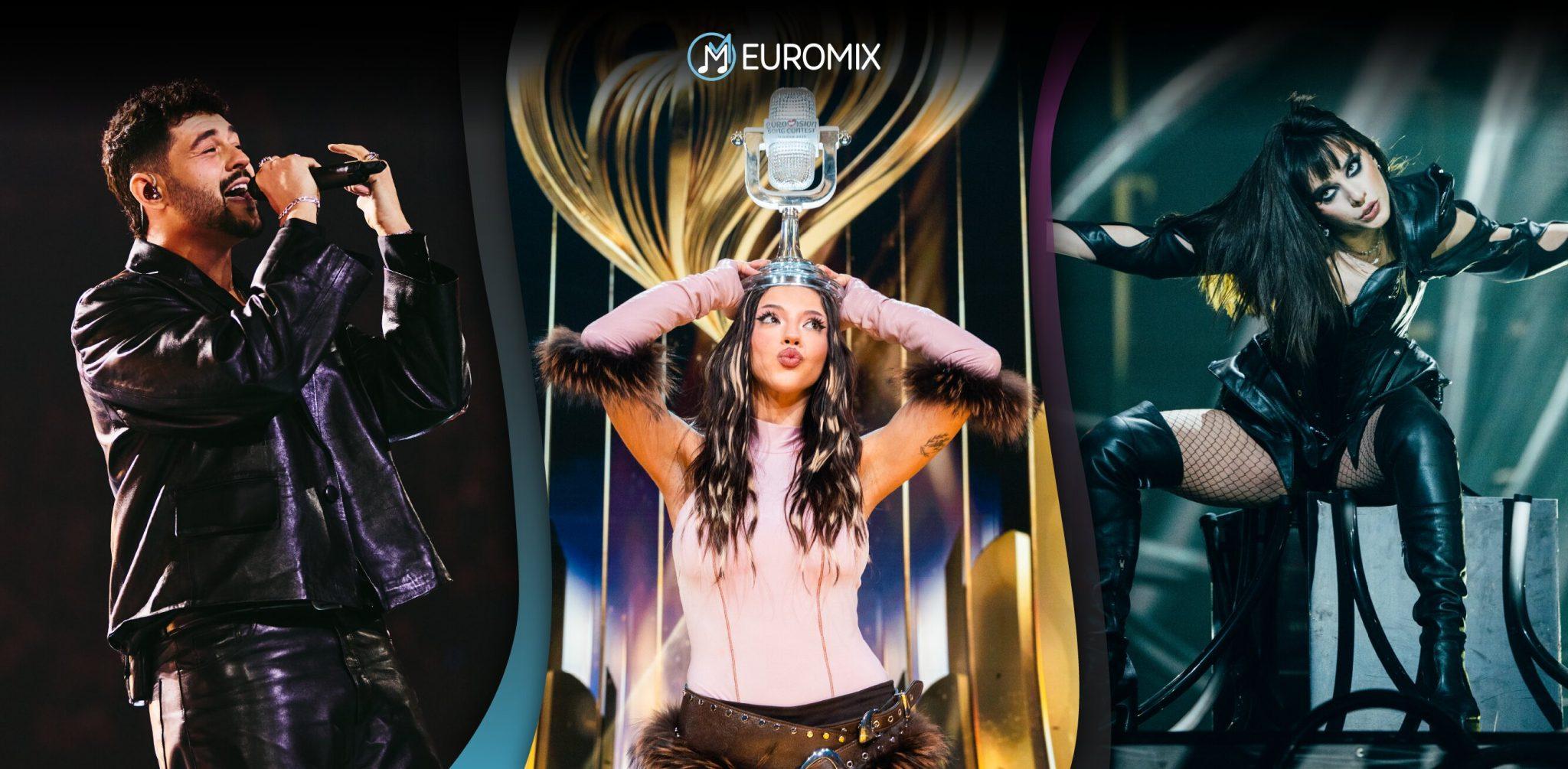
Eurovision 2026 data analysis reveals which artist gained the most Instagram followers, proving whether high final scoreboard placements drive digital success.
The post-contest analyses for Eurovision 2026 continue to flood in, and this time the digital spotlight turns to Instagram for an annual wrap-up: which artist gained the highest number of followers on their Instagram account thanks to the competition? Data analysis reveals which performers received the greatest exposure. Where is Eurovision winner DARA positioned? How many followers did the Israeli entry Noam Bettan earn? And the big question – does a high placement on the scoreboard truly influence follower counts? The results are surprising.


According to a detailed data analysis by the website aussievision.net, it is clear how the competition boosted the representatives of all 35 participating nations at Eurovision, even turning completely anonymous singers into viral figures overnight. Yet, only a few managed to translate their three minutes of fame on Europe’s biggest stage into thousands of clicks on the follow button. While some artists recorded a phenomenal surge of hundreds of percent, well-known past representatives were disappointed to find that the European audience was looking for fresh faces. The data compares the follower counts of the representatives’ official Instagram accounts from approximately one week after all songs were revealed until the day before yesterday (between March 24th and June 3rd, 2026).
The Top Three Maintain Their Order
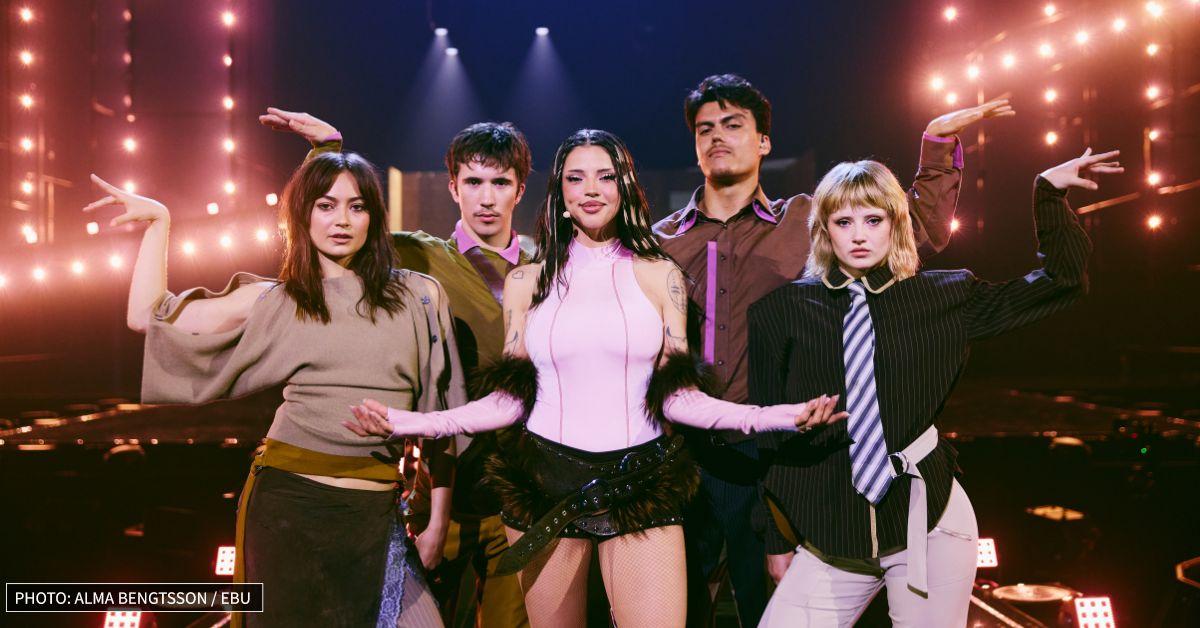 The dramatic tension on the scoreboard was perfectly mirrored on Instagram, as the top three placements in the competition maintained their status at the peak of the social network. DARA, the fresh winner from Bulgaria, rode the wave of fame and scooped up a massive addition of around 745,000 new followers – 4.3 times her original follower count (173,000 followers) – skyrocketing her account to approximately 918,000 dedicated fans with a crazy increase of 430%.
Right behind the big winner stands the Israeli entry Noam Bettan, who swept Europe by storm and captured second place at Eurovision, matching that achievement with his growth in followers. With an increase of about 131,000 followers, Noam Bettan finished the season with no fewer than 310,000 followers – a wonderful momentum that translated immediately into sold-out shows and landing highly desired campaigns, including a commercial for the fashion company “Renuar”. Closing out the virtual podium is the representative of Romania, Alexandra Capitanescu, who gained about 113,800 new followers, a surge of about 3.5 times her previous follower count, proving that matching the country’s national record at Eurovision is just the beginning for her.
Finland and Greece prove that you do not have to lift the trophy to generate unprecedented digital buzz. The Finnish duo, Linda Lampenius x Pete Parkkonen, ignited the curiosity of internet users due to their first-place position in the betting odds, reaching fourth place on the list of follower earners with a combined addition of about 90,300 new followers, which boosted their separate accounts to a total of approximately 262,000 people. Right behind them stands Greece’s Akylas, who recorded an impressive increase of about 73% with around 86,000 new followers, establishing his status with an account of approximately 203,000 followers.
Conversely, Delta Goodrem, who brought Australia to a fourth-place finish in the actual competition, experienced a much more moderate growth rate on social networks, settling for eighth place in the Instagram table with an addition of about 65,000 new followers. It is important to note that the singer started with a high baseline follower count due to being an established and well-known artist both inside and outside her home country.
Are Returning Representatives Follower Magnets?
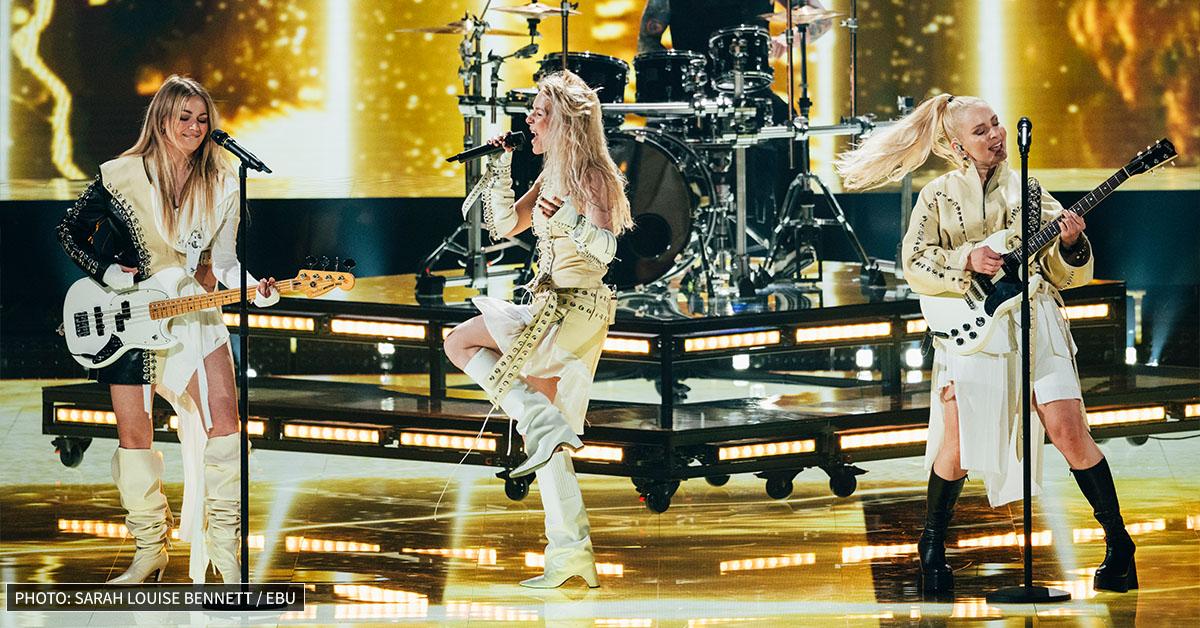 Anyone who thought that the title of “returning representative” guarantees automatic affection received a painful reminder that social media users are not necessarily interested in familiar faces from the past. The band Vanilla Ninja from Estonia, who staged a nostalgic comeback 21 years after representing Switzerland in 2005, did not achieve much success – either in the competition or online. At Eurovision, they failed to qualify for the grand final, finishing only 11th in the semi-final, and on Instagram, they climbed by only about 2,900 followers, representing the lowest growth in followers on the list. Even Senhit from San Marino, who armed herself with the legendary Boy George, suffered a defeat in the semi-final, which reflected in an addition of only about 5,400 new followers.
The winners of Junior Eurovision 2008, Bzikebi from Georgia, disappointed in Vienna with the song “On Replay” and were left far behind with only about 6,200 new followers. The artist who achieved the greatest success among the returning acts is Alicja Szemplinska from Poland, who received compensation for the cancellation of Eurovision 2020 and placed tenth with about 54,000 new followers.
The Impact on the Big 4 Countries: High Followers For Lower Placements
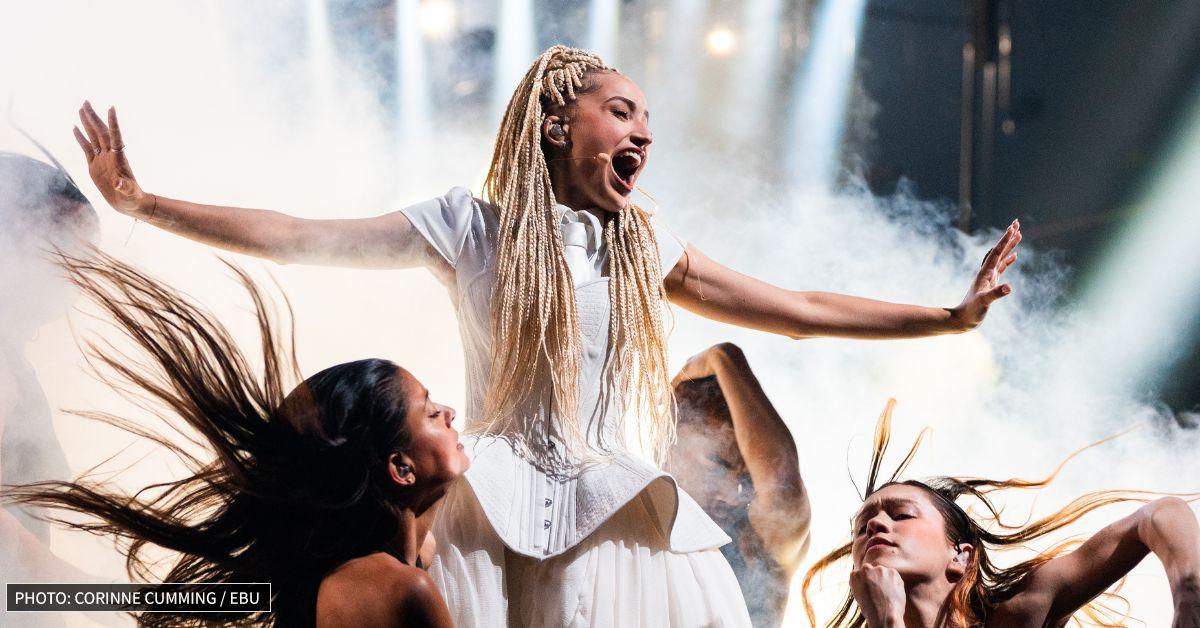 On the other hand, the Big 4 countries proved that direct qualification to the grand final is an immense marketing power, even without spectacular success on stage. Sal Da Vinci from Italy became the main beneficiary among the financial backers, placing sixth with an addition of about 70,000 followers, raising his total to approximately 790,000 followers. Sarah Engels from Germany – the only artist who arrived with an account exceeding one million followers – recorded an amazing achievement in 11th place with about 50,000 new followers, despite receiving 0 points from the public.
France sent the youngest of the contestants, 17-year-old Monroe – who crossed the 100,000 follower threshold thanks to an additional 49,000 followers. Cosmó, who represented the host nation, Austria, and entered the competition as a complete unknown, gained about 31,000 new followers during the same period despite a 24th-place finish. Look Mum No Computer from the United Kingdom, the zero-point powerhouse, enjoyed a rise of 27,000 new followers, reaching a total of 291,000 followers.
Non-Qualification for the Final: A Lack of Follower Interest?
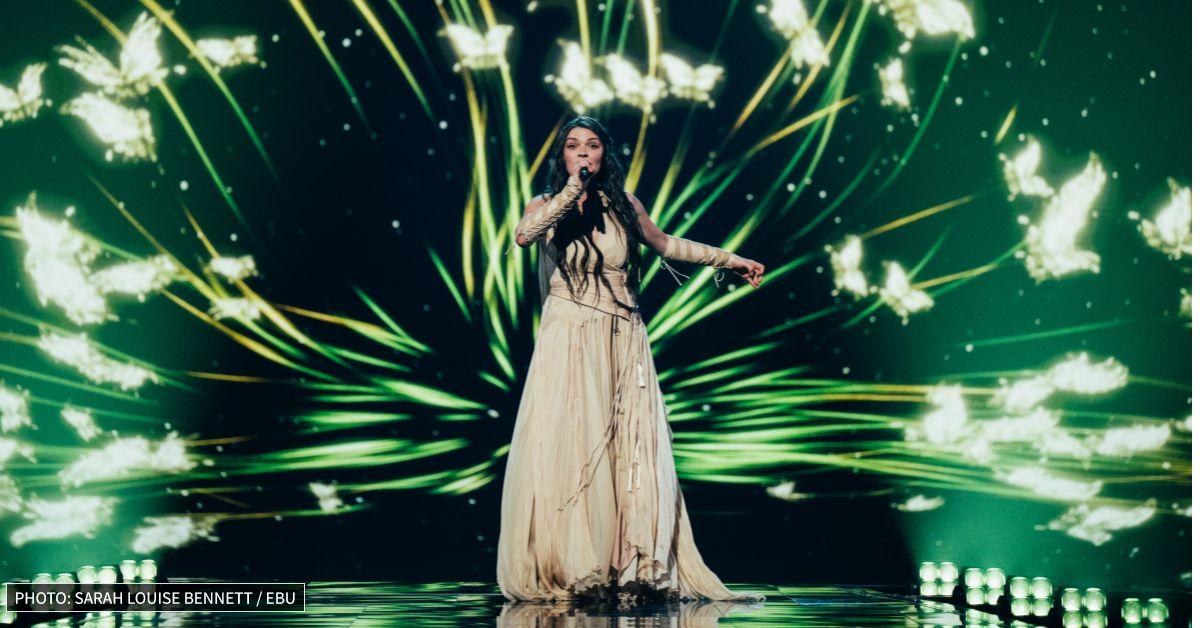 The data exposes a direct and painful link between an early elimination in the semi-final stage and a distinct lack of interest from followers, who did not bother to look up those who did not survive the intense mid-week in Vienna – or even unfollowed them afterward. The eliminated representative who managed to reach the highest spot on the follower table is Eva Marija from Luxembourg, who gained an impressive addition of about 19,300 new followers to her account, which previously stood at just 9,500. Right behind her is Veronica Fusaro from Switzerland, who did not succeed in qualifying for the final but swept up about 16,600 new followers, bringing her total account to approximately 60,000 followers.
In conclusion, a direct correlation can certainly be seen between the final placement of the contestants in the competition and the rise in their number of followers. After all, this is the competition with the largest exposure in Europe.
Here is the full table of all 35 artists with the amount of followers added during the Eurovision season:
| Position | Country | Representatives | New Followers (~) | Total Followers (~) | Growth (%) |
| 1 | Bulgaria | DARA | 745K | 918K | 430% |
| 2 | Israel | Noam Bettan | 131K | 310K | 73% |
| 3 | Romania | Alexandra Capitanescu | 113.8K | 147K | 353% |
| 4 | Finland | Linda Lampenius x Pete Parkkonen | 90.3K | 262K* | 52% |
| 5 | Greece | Akylas | 86K | 203K | 73% |
| 6 | Italy | Sal Da Vinci | 70K | 790K | 9% |
| 7 | Cyprus | Antigoni | 70K | 686K | 11% |
| 8 | Australia | Delta Goodrem | 65K | 809K | 8% |
| 9 | Denmark | Soren Torpegaard Lund | 54.4K | 79.4K | 217% |
| 10 | Poland | Alicja Szemplinska | 54K | 158K | 51% |
| 11 | Germany | Sarah Engels | 50K | 1.8M | 2% |
| 12 | France | Monroe | 49.4K | 110K | 81% |
| 13 | Albania | Alis | 46.5K | 64.8K | 254% |
| 14 | Moldova | Satoshi | 44K | 165K | 35% |
| 15 | Czechia | Daniel Zizka | 42.1K | 53.6K | 366% |
| 16 | Malta | Aidan | 32.2K | 61.2K | 111% |
| 17 | Austria | Cosmo | 30.9K | 47.4K | 187% |
| 18 | Ukraine | Leleka | 29.7K | 64.4K | 85% |
| 19 | Norway | Jonas Lovv | 28.5K | 39.8K | 252% |
| 20 | United Kingdom | Look Mum No Computer | 27K | 291K | 10% |
| 21 | Sweden | Felicia | 26K | 208K | 14% |
| 22 | Serbia | Lavina | 25.7K | 54.8K | 88% |
| 23 | Luxembourg | Eva Marija | 19.3K | 28.8K | 203% |
| 24 | Switzerland | Veronica Fusaro | 16.6K | 59.8K | 38% |
| 25 | Lithuania | Lion Ceccah | 15.5K | 39.3K | 65% |
| 26 | Croatia | Lelek | 13.1K | 48.8K | 36% |
| 27 | Belgium | Essyla | 12.5K | 21.6K | 137% |
| 28 | Portugal | Bandidos Do Cante | 9K | 48.8K | 22% |
| 29 | Latvia | Atvara | 9K | 25.3K | 55% |
| 30 | Armenia | Simon | 7K | 21K | 50% |
| 31 | Georgia | Bzikebi | 6.2K | 16.6K | 59% |
| 32 | Montenegro | Tamara Zivkovic | 5.9K | 16.2K | 57% |
| 33 | San Marino | Senhit | 5.4K | 51.6K | 11% |
| 34 | Azerbaijan | Jiva | 3.2K | 33.7K | 10% |
| 35 | Estonia | Vanilla Ninja | 2.9K | 17.8K | 19% |